
Sonica Festival, Glasgow review: 'typically eclectic'
The Sonica festival continues to push music and art into exciting new territory, writes Fiona Shepherd

Sonica, Various venues, Glasgow ★★★★
The biennial Sonica festival of experimental music and art continues to push into new territory, with significant outposts this year at Pollok House and Buchanan Galleries. The Tramway remains the hub for performances, however, and the opening weekend provided some typically eclectic experiences, from banging electronica to ritualistic Balkan folk.
The serene sounds of Brian d’Souza’s Plants Can Dance biosonification project filled the cafe area while the main hall pulsed with the samba-infused electro, steel syndrum beats, rattling percussion, vocal incantations and climate change warnings of Pororoca, an infectious pop-up duet between Italian electronica composer Nelson D and Brazilian multimedia artist Renata Chebel, whose thunder was nearly stolen by a toddler who just wanted to get closer to the music.
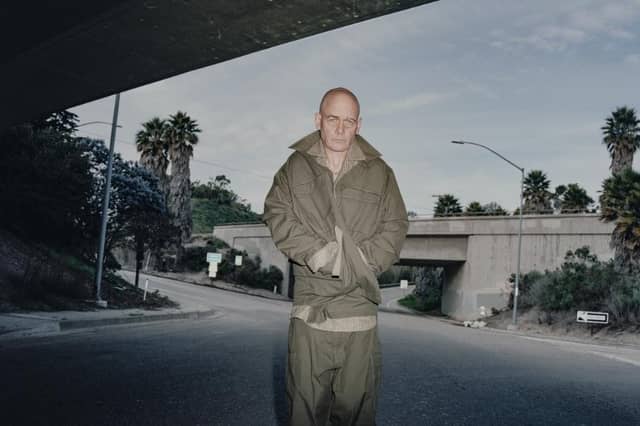
Dinos Chapman, best known for his punk sculptures, was hunched and studious over his kit for his fidgety headline set, pairing ambient wash with fluttering Latino rhythms, accompanied by gauzy kaleidoscopic visuals. This was folk horror in sound and vision, with sonorous cranking, swarming drones and creepy pitchshifted vocalsand definitely no dancing toddlers.
In contrast, Dalia Neis and Susannah Stark, aka Stravsky & Pelè, were song-based and largely acoustic, presenting naive folk songs and sparse multilingual paeans on cello, guitar, bodhran, tambourine and woodwind with pagan emotions and Balkan influence aplenty.
The following evening, those influences were writ larger in Folding Songs, a Sonica commission featuring Lau’s Martin Green on his homemade “syndrone”, improvisational guitarist Graeme Stephen conjuring all sorts of rock distortion and commanding Serbian vocalist Svetlana Spajić, clad in a sculptural red gown.
The piece was visually striking, if sonically far louder than it needed to be. Its theme, the mother/son bond, was explored through traditional song with its dramatic tales of confessions, curses and general overreaction to family lives and loves, which was quite sufficient in impact without the surplus spoken word segments and samples.
The Scotsman’s arts newsletter is now sent twice a week - subscribe today
Enjoying the Arts & Culture journalism on scotsman.com? Make it easier to find by selecting us as a preferred Google source
Want the latest Scottish headlines sent directly to your phone? Sign up to our new WhatsApp channel here
Comments
Want to join the conversation? Please or to comment on this article.