
'Powerful' statements from WWI soldiers' fighting for pensions revealed in rare archives
The records are described as a ‘mine’ of stories of men who served in WWI

Rare records of WWI veterans and their dependants who fought for pensions after the conflict ended have gone online for the first time, revealing a “mine” of stories and information about families’ battles for financial support.
More than 25,000 case files from the Pensions Appeal Tribunals for Scotland, some of which include first person accounts from soldiers, can now be searched on Scotland's People.
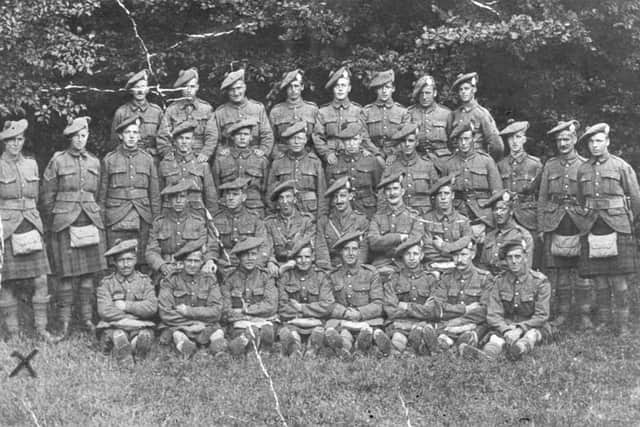
The rare files show that the war caused illnesses and injuries that impacted servicemen long after the fighting stopped. The Pensions Appeal Tribunals refused about two thirds of cases, ruling that the men’s health problems were not caused or aggravated by war service. An MP at the time, Manny Shinwell, described the tribunals as “graveyards of the hopes of many ex-service men”.
National Records of Scotland (NRS) holds almost 30,000 records from the tribunals with cases starting in 1919, however case files for tribunals held in England and Wales do not survive from this period.
Lynn Bruce, archivist at Scotland’s People, which offers online access to records from NRS, said: “These case papers offer medical notes, war service details and list the men's work before and after the war. They're a mine of stories and information.
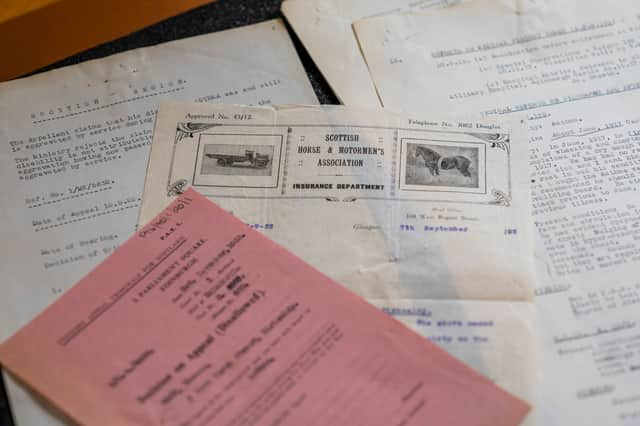

“Some cases also include powerful first hand statements from the men who served, and from family members or supporters. It’s a rare opportunity to hear the voices of people whose lives don’t often make it into the archive.
“This resource will be of interest to a wide range of historians and social researchers. Putting these records on Scotland’s People opens up access.”
The Wellcome Trust funded work to prepare these records for release. Summary information from that project is free to view on Scotland’s People and the NRS archive catalogue. The digitised case files including the medical information and testimony are available to view online for a fee on Scotland’s People or free of charge in the NRS search room in Edinburgh.
Cases have to be 100 years old before they can be viewed. Eligible records will be added each January.
Meanwhile, NRS has published a new edition of a guide to help people research their family history. Changes to the national records have been chartered in a new edition of guide Tracing Your Scottish Ancestors, produced by National Records of Scotland, which has been updated for the first time in six years.
National Records of Scotland told people hoping to trace their family tree that some prisoners in Barlinnie and Perth prisons now have photos on their entries in the archives, while additional archives of prisoners in other Scottish jails have also been added.
Other new record sets added since the book was last updated include kirk session and other court records of the Church of Scotland, which contain details of key community events across Scotland between 1559 and 1900, offering a vivid snapshot into the everyday lives of ordinary Scots.
Customers can also search for female relatives in the index cards of the Scottish Women’s Land Army and the Scottish Women’s Timber Corps.
Comments
Want to join the conversation? Please or to comment on this article.