
2026 Arts Preview: The year ahead in theatre
After years of pandemic pressures and standstill funding, the future is starting to look a lot brighter for Scottish theatre, writes Joyce McMillan
In the unpredictable world of live theatre, it’s not the done thing to sound too optimistic; this is the profession, after all, where people say “break a leg” rather than “good luck”, for fear of annoying the gods with their presumption. Yet it’s hard not to feel, as 2026 dawns, that we are on the brink of a year of recovery in Scottish theatre, after a traumatic half-decade and more of pandemic pressures and standstill funding; and the new mood runs even deeper than this year’s very welcome Creative Scotland funding settlement, made possible by a major boost in Scottish Government spending on the arts, despite difficult times.
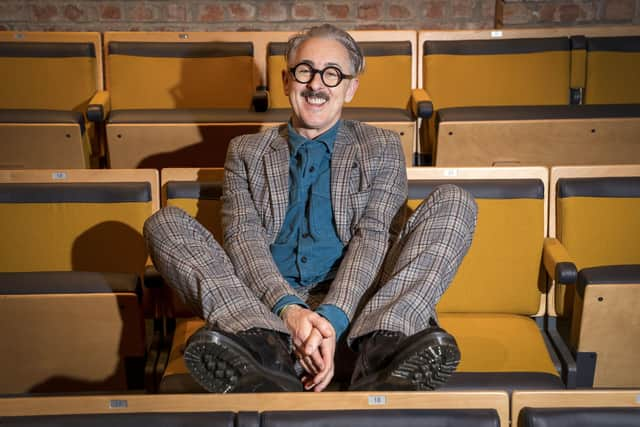

Beyond that, though, the 2026 theatre landscape is brightening in at least three directions, starting with the arrival of Alan Cumming as artistic director at Pitlochry Festival Theatre, and of the first summer season fully programmed by him. Cumming brings to Pitlochry a dimension of transatlantic stardom – and a contacts book to match – that is almost unprecedented in the running of a Scottish producing theatre; and whatever artists and audiences make of his decision to scrap Pitlochry’s time-honoured summer ensemble and repertoire system – with its famous promise to “stay six days, see six plays” – there’s no doubt that his 2026 programme is an exciting one, studded with star names from director John Tiffany to actors Simon Russel Beale and Maureen Beattie, and often featuring Cumming himself. Cumming will appear with Shirley Henderson in a new staging of the award-winning small-scale musical The History of Paper, and will star as Professor Higgins in next winter’s Christmas production of My Fair Lady.
He will also direct Simon Russel Beale in new Martin Sherman play I’ll Be Seeing You, in Pitlochry’s Studio Theatre; and beyond Pitlochry, he is also set to star in a new National Theatre of Scotland stage version of the 1990s Scottish television sitcom The High Life, which will bring together all four of the show’s original cast – Cumming, Forbes Masson, Siobhan Redmond and Patrick Ryecart – 30 years on from the original episodes. The High Life will open at Dundee Rep in April, before touring to Edinburgh, Aberdeen, Inverness and Glasgow; and like the Cumming version of A History of Paper, will be directed by Dundee Rep boss Andrew Panton.
Another glowing addition to the Scottish theatre landscape, in 2026, will be the newly reopened Citizens’ Theatre in Glasgow, with both its beautiful old auditorium and its new studio theatre offering up strong spring and summer programmes, featuring – among many other shows – the award-winning American rustbelt drama Sweat (also at the Lyceum in Edinburgh), a new take on Saint Joan by brilliant Glasgow director Stewart Laing, and an adaptation by Linda McLean of Denise Mina’s brilliant novel about the Peter Manuel trial, The Long Drop.
And the third major point of excitement is at the Lyceum in Edinburgh, where James Brining’s first full year as artistic director begins in earnest in late February, with his own production of a new cafe-style musical version, scripted by David Greig, of the Edinburgh-set love story One Day, already immortalised in a 2011 film, and a 2024 television series.
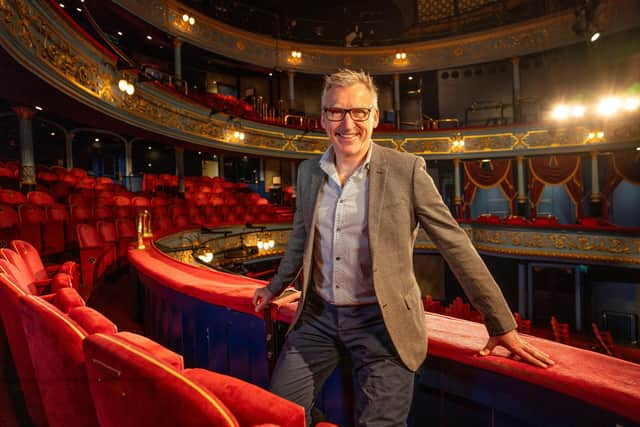
Also at the Lyceum this spring is Black Diamonds and The Blue Brazil, a Gary McNair play, with songs by Ricky Ross, based on Ron Ferguson’s much-loved book about football and belonging in Fife; and then in October, the Lyceum will host the premiere of a major new version of The Prime of Miss Jean Brodie, produced in partnership with the National Theatre of Scotland and in association with Pitlochry, and starring Glow star Gayle Rankin as Muriel Spark’s legendary 1930s Edinburgh schoolteacher.
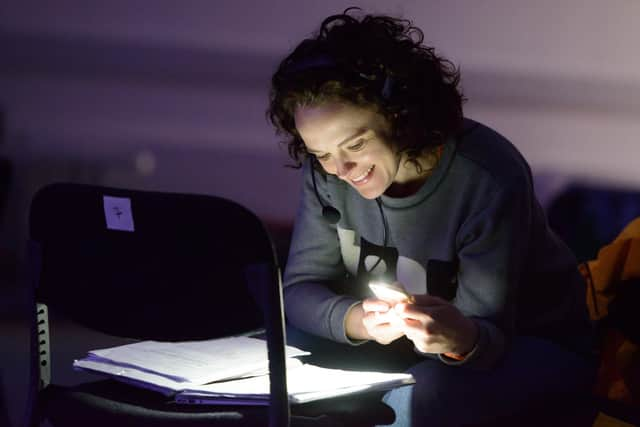
Elsewhere, Jemima Levick’s ever-vibrant Tron company hosts the premiere of its National Theatre of Scotland co-production Stand & Deliver: The Lee Jeans Sit-In, a new touring play by Frances Poet about the legendary 1981 Greenock industrial dispute. The Traverse begins to rev its engines, after obtaining a new three-year funding settlement, with the launch in April of brand new play Gush, by young Scottish writer Jess Brodie.
At the Tron and Traverse, Scotland’s award winning international touring company Vanishing Point presents its latest show, the Danish co-production What I’m Here For; and the Edinburgh International Festival enters a new producing partnership with the Avignon and Holland Festivals, all three founded in 1947, beginning with a new 2026 production by award-winning Brazilian director Christiane Jatahy titled A Trial, and based on Ibsen’s An enemy Of the People.
And in the autumn, Edinburgh’s King’s Theatre, the old lady of Leven Street, will reopen its doors after a four-year refurbishment project; a great Scottish theatre landmark restored to us with an autumn programme that includes a brand new version of Tony Roper’s much loved play The Steamie.
There are, of course, huge continuing pressures facing Scottish theatre; production costs remain prohibitively high, as do many ticket prices, and the growing number of co-productions now essential for the survival of Scotland’s producing theatres sharply reduces the opportunities available to the freelance writers, directors, musicians, designers and actors who are the heart and soul of any country’s theatre community.
Yet still, this year, we can savour a tentative sense of renewal and hope, after difficult times; and rejoice in some new reasons to enjoy and cherish our theatres as an increasingly precious live meeting-place for thought and shared experience, in our ever more fragmented online world.
The Scotsman’s arts newsletter is now sent twice a week - subscribe today
Want the latest Scottish headlines sent directly to your phone? Sign up to our new WhatsApp channel here.
Comments
Want to join the conversation? Please or to comment on this article.