
Top poet: You can't censor work because of the gender-critical views of author
A review of Polly Clark’s book was pulled from Gutter


Award-winning poet Don Paterson has warned state-backed literary magazines “cannot censor” writers whose views are different from theirs, when the nature of their differences is legally protected.
Mr Paterson, from Dundee, said in a blog post that magazines such as Creative Scotland-backed Gutter, which recently removed a positive review of a book by poet Polly Clark due to her gender-critical views, were entitled to refuse to publish an article which did not align with their views - but could not censor based on the writer’s public image or social media posts.
He also referenced a row between poet Abigail Ottley and England-based magazine Aftershock, after the magazine withdrew her work from publication based on her “social media presence”, which she believes refers to gender-critical posts. She is threatening to sue Arts Council England, which gave financial support to Aftershock.
In the post, Mr Paterson, who is a fellow of both the Royal Society of Literature and the Royal Society of Edinburgh and has been awarded the TS Eliot Award and the Whitbread Prize for Poetry for his work, warned that magazines need to “get behind” laws protecting freedom of speech or pursue editorial independence without state financial support.
The review of Ms Clark’s work, by fellow poet Iona Lee, praised the book as "funny, feminine and violent: confessional yet mysterious". However, Ms Clark claimed Gutter’s managing editor, Malachy Tallack, and poetry editor, Sean Wai Keung, told her publisher that promoting her work “risked undermining” Gutter’s goal of providing a “welcoming publishing space, including for trans writers” - after receiving a complaint from a reader.
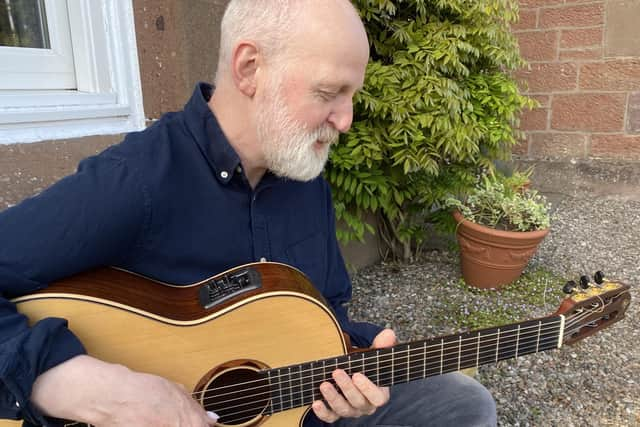
He said: “As bizarre and niche and identity-obsessed as I find the editorial stances of both Gutter and Aftershock, they are as within their rights to reject work they regard as beyond their stated purview as Cat Poem Monthly is to reject a poem about a dog.
“But if Cat Poem Monthly reject a great poem about a cat because its author has a protected characteristic the editors don’t like, that’s discrimination; if they accept it and then refuse to publish it, it’s censorship.”
He added: “The editorial boards of state-funded magazines cannot censor other writers because they are different from them when the nature of that difference is legally protected. They may refuse to publish a piece because its content does not align with their editorial direction, but not because someone has made a Red Guard inventory of an author’s Facebook posts and found them wanting.
“Gutter and Aftershock must decide whether to get behind that principle or pursue their ‘editorial independence’ on their own dime.”
He said he had observed that “a good poem” increasingly means the “work of a person whom I find admirable”.
He also called for editors to be honest about when an article has been “merely ‘spiked’” rather than censored.
He said: “Those doing the censoring know exactly how much fear, pain, unwanted attention, time, inconvenience and labour their actions will cost the censored, if she refuses to quietly accept her fate.”
Gutter has been contacted for comment.
Comments
Want to join the conversation? Please or to comment on this article.