
Bungalows are low rise, but demand is always high
There aren’t many around so bungalows are snapped up by buyers, writes Elen Mkrtchyan
Some property trends come and go, but the demand for bungalow living remains high. While this type of housing has long-standing popularity due to its ease and accessibility, its appeal has broadened in recent years with first-time buyers and young families increasingly drawn to having a living space on one level.
Across Scotland, bungalows – only a small proportion of the overall housing stock – continue to attract strong interest from a wide range of buyers. When a good bungalow comes to the market, it rarely goes unnoticed.
When you look at the numbers it becomes clear why bungalows are so highly sought after. Over the last year, Edinburgh recorded just over 500 bungalow sales, with Glasgow seeing only around 300 sales. With new housing development typically focused on multi-story homes, most bungalows come from existing stock, which keeps supply tight.
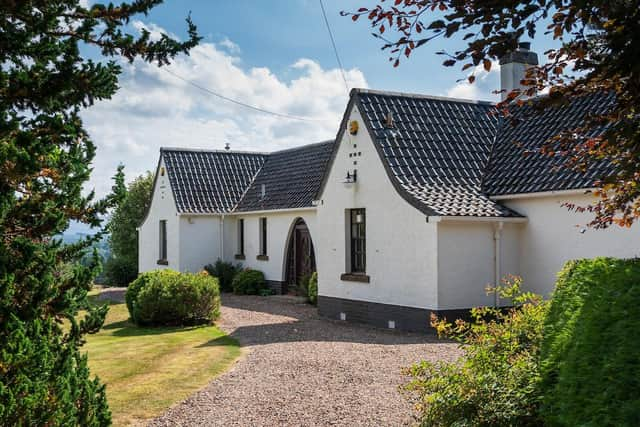

In fact, buyers actively searching for a bungalow tend to be highly committed to that property type and are often unwilling to consider alternatives. In most cases they only begin to compromise if rising prices place bungalows beyond their reach.
We frequently see purchasers prepared to be flexible on location to secure the right bungalow, rather than opting for a two-story home. This readiness to adjust other criteria like location, while remaining firm on property type, clearly underlines the strength and resilience of demand.
Recent sales activity illustrates the strength of demand. Yew Tree Cottage on Churchill Drive in Edinburgh’s sought-after Southside saw over a hundred viewings, a 1930s-style bungalow on Netherby Road in Trinity had more than ten offers at closing date, and Look Aboot Ye bungalow in Penicuik sold for over twenty per cent above asking price.
These results are not unusual for well-located bungalows; when buying opportunities are limited, buyers tend to act decisively.
Bungalows consistently generate strong interest because people know how rarely the right one becomes available. When it does, buyers are ready. This is driven by long-term needs rather than short-term trends. Demand has been steady for years, while supply has remained limited.
In viability terms, bungalows generally need to be priced at a premium. They are more land-intensive by their nature and can’t achieve the same construction efficiencies as two-story homes, so a higher value is often necessary to make new build developments viable.
In Newton Mearns (G77 postcode) on the outskirts of Glasgow, for example, a 4-bed bungalow achieved around £357 per square foot compared to £299 per square foot for a comparable detached house.
The consistent premium reflects more than just layout – buyers are valuing single-level living, flexibility and long-term suitability.
While bungalows are often associated with downsizers, the buyer pool today is much broader, and we’re regularly seeing interest from buyers planning ahead for future living needs, families looking for adaptable spaces and people seeking practical, low maintenance homes.
Demographic change and lifestyle priorities suggest the demand and outperformance of bungalow sales in Scotland are unlikely to fade.
Elen Mkrtchyan, Researcher, Rettie
Comments
Want to join the conversation? Please or to comment on this article.