
Businesses need to tackle the AI shyness tendency
Silence is becoming an unspoken barrier to the responsible and confident adoption of AI in the workplace, writes Mark Byrne
Generative AI is becoming as commonplace at work as search engines, spreadsheets, and video calls. But while employees are increasingly comfortable using it, many remain uncertain about admitting they do.
Scotland is ambitious about AI, with more than a third of businesses with at least ten employees reporting they use some form of the technology. Holyrood is also backing programmes to help smaller businesses adopt AI and build the skills needed to use it effectively.
But adoption rates only tell half the story. The challenge for employers may be less about whether AI is being used and more about whether workplace cultures are adapting fast enough to support it.


Our research of nearly 2,000 UK workers found that more than four in ten rarely or never tell colleagues or managers when they have used AI at work. A trend this is particularly pronounced among older generations of workers.
This is not a story about employees deliberately circumventing company rules. In truth, people say they simply do not know what level of transparency is expected of them.
The most revealing findings concern younger workers. Gen Z employees are active users of gen AI and are among the most open about discussing its use at work. But more than a third believe work produced with the help of AI is viewed less favourably – the highest of any generation.
Many young workers are doing exactly what organisations have encouraged them to do. They are experimenting with new tools, building AI into their workflows, and finding more efficient ways to work. Yet some remain concerned that using AI could undermine perceptions of their contribution.
If employees are quietly incorporating AI into their work, organisations cannot properly understand how the technology is being used, where it is creating value or where additional support and safeguards may be needed. Silence, in other words, is becoming an unspoken barrier to responsible AI adoption.
Overall, AI can do a fantastic job in some of heavy lifting associated with many tasks, helping to create first drafts, challenge thinking, and accelerate analysis. But in almost every instance, human input remains critical. Judgement, subject expertise, and lived experience are what turn AI-assisted work into meaningful business outcomes.
The value comes not from over trusting AI or using its outputs verbatim, but from combining its capabilities with human expertise. And that is where organisations and employees should be celebrating success.
Employers now need to move beyond encouraging people to "try AI" and start defining what good AI-enabled work looks like in practice. In many cases, AI changes how work gets done rather than replacing the judgement behind it. The challenge therefore is to redesign processes and ways of working while continuing to develop the human skills that matter most.
Scotland needs people who can confidently use AI, and organisations with the culture and norms that enable them to do so openly and responsibly. True power comes from empowering employees with AI and the sooner that balance is achieved, the better.
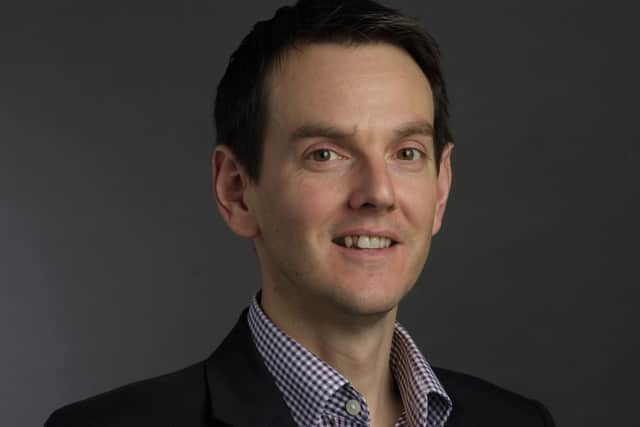
Mark Byrne, Accenture managing director for Data & AI
Comments
Want to join the conversation? Please or to comment on this article.