
Energy price cap: How much will bills rise from October 1 in Scotland? What has Martin Lewis said?

The energy price cap is going up again for those in Scotland - here is what it will mean for you.
The energy price cap will rise by 2 per cent from October 1 for a typical household in Scotland, England and Wales, Ofgem has announced.
The increase in gas and electricity prices on the back of the decision is slightly more than analysts had originally forecast.

Here is what the increase in the price cap means for you.
How much will my bills increase?
The increase will see bills increase by around £2.93 a month for the average household, leaving a home on a default tariff paying £102 for what currently costs £100 per month.
An average household using a typical amount of energy will now pay £1,755 a year, up £35 a year on the existing cap.
Why does the price cap change?
Ofgem changes the price cap for households every three months, largely based on the cost of energy on wholesale markets.
The energy price cap was introduced by the Government in January 2019 and sets a maximum price that energy suppliers can charge consumers in England, Scotland and Wales for each kilowatt hour (kWh) of energy they use.
It does not limit total bills because householders still pay for the amount of energy they consume.
Is the price cap rise higher than expected?
The rise, which comes as the winter months approach, is higher than the 1 per cent increase predicted by experts Cornwall Insight last week.
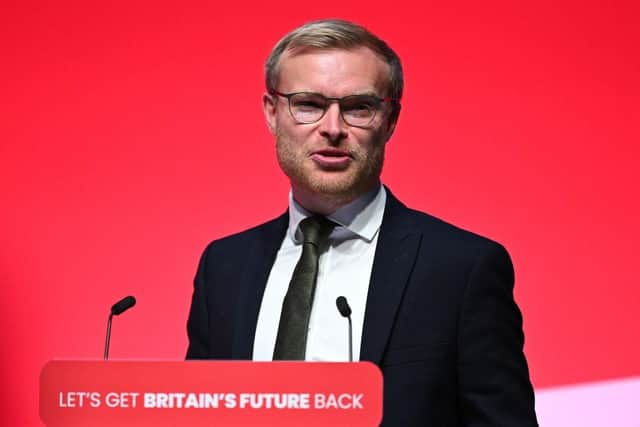
UK energy minister Michael Shanks said: “We know that any price rise is a concern for families. Wholesale gas prices remain 75 per cent above their levels before Russia invaded Ukraine. That is the fossil fuel penalty being paid by families, businesses and our economy.
“That is why the only answer for Britain is this government’s mission to get us off the rollercoaster of fossil fuel prices and onto clean, homegrown power we control, to bring down bills for good.
“At the same time, we are determined to take urgent action to support vulnerable families this winter. That includes expanding the £150 warm home discount to 2.7 million more households and stepping up our overhaul of the energy system to increase protections for customers.”
Cornwall Insight said its forecast reflected changes it assumed Ofgem would be introducing in the upcoming cap period, including the expansion of the warm home discount scheme for vulnerable households that would add around £15 to a typical bill, while also providing £150 in support to 2.7 million additional people.
However, it also noted that wholesale prices for electricity and gas had been “volatile”, largely reflecting geopolitical factors including uncertainty over US trade policy.
Should I fix my energy tariff?
Latest figures show more than a third of customers (37 per cent) are now on fixed tariffs, which means they are protected from the coming rise.
Tim Jarvis, director general of markets at Ofgem, said: “While there is still more to do, we are seeing signs of a healthier market. There are more people on fixed tariffs saving themselves money, switching is rising as options for consumers increase, and we’ve seen increases in customer satisfaction, alongside a reduction in complaints.
“While today’s change is below inflation, we know customers might not be feeling it in their pockets.
“There are things you can do though – consider a fixed tariff as this could save more than £200 against the new cap. Paying by direct debit or smart pay-as-you-go could also save you money.
“In the longer term, we will continue to see fluctuations in our energy prices until we are insulated from volatile international gas markets. That’s why we continue to work with government and the sector to diversify our energy mix to reduce the reliance on markets we do not control.”
What has Martin Lewis said?
On Tuesday, in the hours before the price cap rise was announced, energy savings expert Martin Lewis said “if you're not on a fix, consider it asap”.

“Now we know the Cap is now pretty certain to stay at about its current level, or a little higher, until the end of 2025, it's easy to compare to the cheapest fixed deals which are - nearly 15% less (c£250/yr cheaper on a typical bill) - and have guaranteed rates, so you know they won't rise for at least a year,” Mr Lewis wrote on social media.
“That means switch to a fix and your energy use immediately costs less, and will continue to do so until at the very least the 31 Dec.
“Yet the extremely strong likelihood is you’ll continue to save substantially after that too. Analyst's [sic] current predictions are that the cap will drop slightly in Jan (down 2%ish) then a rise again in April (up 5% ish). Though this is far more crystal ball gazing than the October prediction.
“As your cheapest fix depends on your location, usage, payment type (sadly no fixes are available for non-Smart Prepay tariffs) use our MSE whole-of-market ‘Cheap Energy Club’ to compare and find yours.
“For getting a cheap fix right now not to be worth it, we’d need to see pretty immediate and monumental falls in wholesale rates – which no one is predicting. In fact our analysis shows that at every point over the last 18mths you’d have been better off getting the getting the cheapest fix than being on the Cap.”
On why the price cap is rising, Mr Lewis added: “The Price Cap moves with average wholesale rates (those energy retailers pay) over a 3mth period.”
He added: “The 1 Oct to 31 Dec Price Cap change is dictated by wholesale rates from 19 May to 18 Aug. That’s how come Oct’s cap can be announced so early. As you can see, there was a spike mid assessment period (mainly over US tariffs and Ukraine fears) which pushed the average up, without that we’d probably be seeing a small fall.”
What have others said about the price cap rise?
Gillian Cooper, director of energy at Citizens Advice, said: “Today’s announcement means the price cap will remain drastically higher than before the energy crisis. With millions of households already in debt as the colder months draw in, this news offers no comfort.
“The Government has made welcome changes to expand the number of people who’ll receive support with their energy bills this winter, but it’s not enough to turn the tide. Our advisers are bracing for more calls as people struggle to top up their meters and pay the gas bill.
“It’s high time for decisions about the longer term. The government must set out plans for how it will support the households struggling the most over the coming years and also prioritise investing in energy upgrades for millions of homes, to reduce costs and keep money in people’s pockets.“
Ned Hammond, deputy director of customer policy at Energy UK, which represents the industry, said: “While it is usually movements in wholesale energy costs that affect the price cap’s level, on this occasion one of the factors behind the rise is the expansion of the Warm Home Discount to an extra 2.7 million households.
“At a time when customer debt is at a record £4 billion plus and many are still struggling with bills hundreds of pounds higher than at the start of 2022, the extra support this will provide is much needed.
“However, the government does need to look at a fairer way of targeting support. The Warm Home Discount expansion is a welcome interim measure but developing better targeting is the only long-term solution to help those that need it most.”
Comments
Want to join the conversation? Please or to comment on this article.