
How to deal with delivery disasters
It’s rotten when something you’ve ordered turns up damaged – if it turns up at all! Martyn James can help
‘Tis the season of shopping! From Christmas to the sales, chances are a parcel or ten are winging their way to you right. The question is: where will it end up?
From parcels left in recycling bins or chucked over fences, deliveries that weren’t attempted or that have vanished en route – parcel delivery services top the list of reader’s complaints. So here’s my definitive guide.
Package delivery – the rules
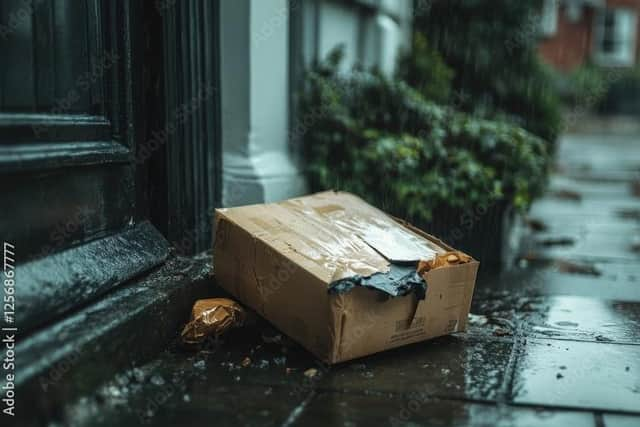

If your parcel is broken, damaged or just missing in action, you should take the matter up with the retailer who sold you the goods, not the courier company.
When you buy goods, your contract is with the shop, not the manufacturer or delivery firm. The retailer is responsible for getting the goods to you as advertised. They are also responsible for refunding you if there’s a problem, or arranging a replacement.
That doesn’t mean the delivery company is allowed to get away with poor service. If they keep damaging or losing things, then that will cost the retailer cash and they will take action when they’ve had enough.
What if the retailer says it’s not their problem?
Even though our shopping rights are enshrined in law some retailers accidentally or deliberately ‘misunderstand’ the rules.
So let’s spell it out for them. You are not responsible if:
- The parcel is left with a neighbour or at an alternative location unless you have specifically authorised this.
- The package is left somewhere that you haven’t specified and subsequently gets damaged or pinched.
- The goods are broken or damaged and you’ve not opened the parcel in front of the courier (this is often cited as a reason to decline a refund by shops incorrectly).
- If the parcel is left in a communal area – particularly if it’s accessible to your neighbours or strangers.
Of course, if you’ve sent the parcel, then you do have to deal with the delivery firm (more on that later).
Safe spaces
The majority of disputes over deliveries that I see arise over items left in a ‘safe space’ – the place where you’ve told the firm it’s okay to leave your package.
A courier company should ensure that the parcel is placed in your hands unless otherwise specified. If you’ve not authorised this and the parcel goes missing, then that’s not your problem. However, if you’ve previously set a safe space when you last bought something, those instructions are likely to still be saved with the shop. So always check everything before you make the final purchase.
What if a business claims the delivery has been made?
In recent years, there has been a rise in complaints about proof of delivery, from fake signatures to photos of parcels outside random doors.
It’s pretty easy to dispute a fake signature – after all, the courier won’t know what yours looks like. Photos are a little more challenging if you’ve said it’s okay to leave an item outside your door. Remember that most digital pictures are time coded these days, so don’t be afraid to push back and ask for more evidence if the retailer or delivery firm claims the delivery was made.
Getting in touch
Regulator Ofcom introduced new rules for delivery firms designed to make it easier to contact them.
These rules state that if you complain to a parcel company, you should be told:
- Who to contact.
- Which channels you can use to make a complaint.
- What the complaint process will be, and how long it should take to resolve.
- That the complaint should be dealt with by staff who have appropriate training.
Despite this, it’s still far too difficult to complain to a parcel delivery company – especially if you are the recipient.
Private sellers
Another area of complaint comes from people buying and selling things on online marketplaces, like eBay. Make sure you follow the delivery and returns rules on the website to the letter. Photographing the process might seem a bit overly cautious, but it helps too. Most sites have buyer / seller dispute processes too if there’s a problem.
Martyn James is a leading consumer rights campaigner and broadcaster. Read more from him at this link
Comments
Want to join the conversation? Please or to comment on this article.