
House price hotspot: The Scottish city on track for inflation-beating rise in 2025
“The market remains in a delicate condition given that interest rates and mortgage rates remain high in a recent historical context and economic growth is limited” – John Boyle, Rettie
Scottish house prices are likely to have risen by an average of 3 per cent this year with Glasgow in top spot for growth, new projections have suggested.
Property firm Rettie said the below-inflation rise came amid a backdrop of modestly improving economic conditions.
The average house price in Glasgow has grown by 5 per cent during the first eight months of the year, well ahead of the current annual inflation rate of 3.8 per cent, outstripping other Scottish cities, with growth in Edinburgh falling behind the national average, according to the latest Rettie figures.
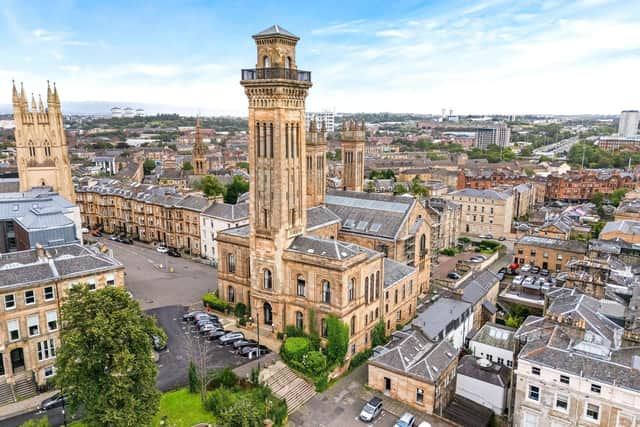

On a 12-month rolling basis, the average house price in Glasgow has continued to outpace Scotland’s main cities, growing by more than 5 per cent to nearly £218,000. Edinburgh and Dundee have both grown by 1 per cent, while the average house price in Aberdeen has continued to decline, declining by 1.2 per cent.
However, the average house price in Edinburgh (about £338,000) continues to surpass other areas.
Make sure you keep up to date with breaking news from across Scotland by signing up to our free newsletter here.
Rettie is also forecasting an increase of 5 per cent in transaction levels during the year on the back of mortgage rate reductions and government intervention.
John Boyle, the firm’s director of strategy and research, said: “As we forecast at the start of 2025, the Scottish housing market has moved at a steady pace this year, with only modest uplifts in the key market metrics. The market remains in a delicate condition given that interest rates and mortgage rates remain high in a recent historical context and economic growth is limited.
“The new build sales market has shown some improvement but is well down on pre- 2022 levels. The rental market has cooled after substantial growth in rents and the increase in rental availability is a positive, but we are yet to see the full impacts of the new Housing Bill.”
In the private rented sector, rental availability has increased in Scotland, moderating rent rises, the firm noted. However, it is likely that Scotland’s new Housing Bill will push landlords to raise rents within existing tenancies to market value over the next two years.
At the same time, the average advertised rent in Scotland currently stands at £1,250 per calendar month, representing the highest average on record.
Rettie’s report came as the Nationwide Building Society said UK house price growth had eased month-on-month in October, as experts said Budget uncertainty and a cooling jobs market was weighing on buyer confidence.
Nationwide said UK house price growth fell month-on-month in October to 0.3 per cent from 0.5 per cent in September.
Property values lifted 2.4 per cent on an annual basis, up from 2.2 per cent year-on-year growth last month, taking the average UK house price to £272,226 in October, according to the lender.
Nationwide said the market remained “broadly stable”. However, experts said buyers were adopting a “wait-and-see” approach ahead of the autumn Budget, amid mounting speculation over upcoming changes to property taxes.
Comments
Want to join the conversation? Please or to comment on this article.