
How smart tech raises key data protection questions
Becoming accustomed to being recorded does not necessarily make it lawful or fair, writes Lorraine Currie
When was the last time you walked down a street absolutely certain you weren’t being recorded?
A video doorbell, a passing car’s dashcam or someone’s smart glasses could easily capture you as you walk past. You might appear in a stranger’s social media video without knowing it was filmed, let alone where it might end up.
Cameras and microphones are now so ordinary that we rarely question them. In Glasgow’s George Square, I often see people filming themselves while everyone else carries on, seemingly unfazed. Ten or 15 years ago, that might have felt intrusive.

Personally, I can’t help but wonder at what point that changed. Professionally, I know that UK data protection law requires personal information to be processed lawfully, fairly and transparently. Fairness includes considering what people reasonably expect. But what happens when technology itself changes those expectations?
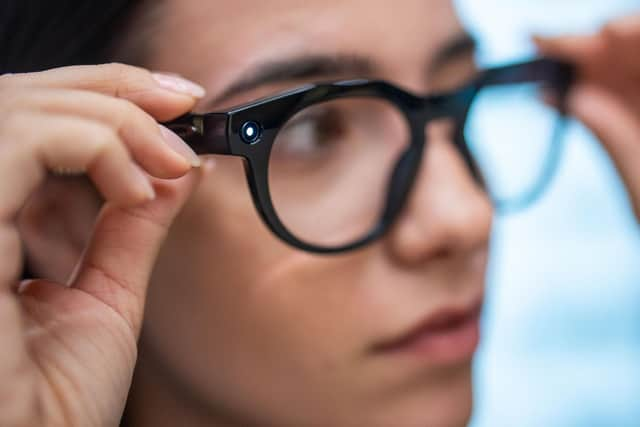
Smart glasses make that question sharper: unlike a raised phone, they may be recording without others realising. The emergence of each new device shifts what we accept. Becoming accustomed to recording, however, does not automatically make it lawful or fair.
Many users might not realise data protection law could apply to them personally. The UK GDPR (General Data Protection Regulation) has a “domestic purposes” exemption for personal or household use, but its boundaries are not always straightforward.
A dashcam recording made for personal use may be exempt, but uploading footage of an identifiable person to a public social media page could, depending on the circumstances, bring data protection responsibilities into play.

Video doorbells capturing people beyond a property’s boundaries may also create obligations, even without online sharing. Users of these tools usually want to see who is at the door, they are not necessarily considering privacy law. That gap between the law and everyday use matters.
We hear about companies facing consequences for data breaches. How often do we consider the responsibilities of someone sharing doorbell footage of a neighbour on a local Facebook group?
Inside our homes, connected devices raise further questions. Depending on their features and settings, smart TVs can collect information about viewing habits and how we interact with them. Smart speakers offer further possibilities for collecting data about daily life.
Privacy notices should clearly explain what is collected and how it is used. Yet even as someone working in data protection, I find lengthy agreements for every product exhausting. Sometimes I just want to watch the programme.
Avoiding connected products is increasingly difficult. They have genuine benefits, but do we fully understand and accept the privacy trade-off, or just regard it as unavoidable? Debate about smart TVs suggests some consumers are questioning it.
The Information Commissioner’s Office recently published guidance for businesses providing consumer Internet of Things products and services, stressing transparency, safeguards and privacy from the outset. Manufacturers must consider people beyond their customers, like neighbours or delivery drivers captured by doorbells.
We do not necessarily need new laws for every technological development. The challenge is making existing protections meaningful: helping individuals understand their rights and responsibilities, and ensuring businesses meet their obligations.
Do we need every feature switched on? Do we understand what happens to our data? Have we thought about the privacy of others who may be captured by our devices?
Just because we have become accustomed to giving up some privacy does not mean we should stop questioning how much we give away.
Lorraine Currie is a Legal Director at Anderson Strathern