
Interest rate cut: What Bank of England decision means for inflation, UK recession and Rachel Reeves' tax plan
Chancellor Rachel Reeves has hailed an interest rate announced by the Bank of England cut as ‘good news’ for house-buyers and ‘businesses borrowing to grow’.

A cut in interest rates will bring relief to millions of mortgage holders, borrowers and businesses and signals a potential shift in the fight against inflation.
Analysts are now forecasting further gradual rate reductions over the coming year or so, though the pace and extent of those cuts will be dependent upon a range of domestic and global factors, with Bank of England (BoE) policymakers continuing to face a tricky balancing act.
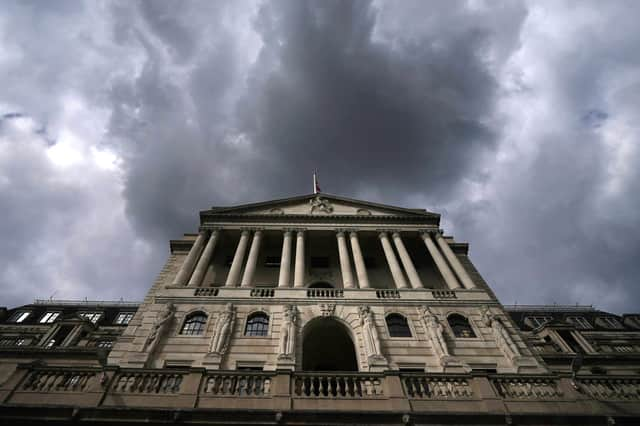

The UK’s central bank chose to reduce the base rate to 4 per cent from 4.25 per cent, pointing towards a recent fall in wage inflation and reduced uncertainty over the impact of US trade tariffs. It means that rates have been cut to their lowest level since March 2023 despite inflation hovering around 3.6 per cent, well above the BoE’s 2 per cent long-term target.
The cut came after the Bank’s nine-strong, rate-setting monetary policy committee (MPC) was forced to take a second vote for the first time in its history, illustrating just how divided feelings are at the Old Lady of Threadneedle Street.
Indeed, governor Andrew Bailey, after leading that historic second vote, noted it had been a “finely balanced decision”, before cautioning that any future rate cuts “will need to be made gradually and carefully”.
The MPC verdict was a much closer call than most observers had been expecting, particularly given recent comments suggesting that elevated inflation was proving to be a concern for many members. Those worries, however, appear to have been trumped by concerns over the strength of the UK economy and the potential for a recession in the coming months.
The four dissenting members who voted against the latest cut do still see the case for further rate reductions.
Nicholas Hyett, investment manager at Wealth Club, said the MPC had launched a “pre-emptive strike” against any economic downturn later in the year. “It remains unsaid in these minutes, but the increasing likelihood of tax hikes and/or spending cuts at the autumn Budget has also probably played a part in this ‘finely balanced’ decision,” he said.
“Both consumers and companies could see their pockets squeezed by the taxman, and that would have knock-on effects for economic growth.“
“While inflation is expected to rise a bit next month, the Bank believes it will fall back towards the 2 per cent target from there. The market seems to be suggesting there could be another cut later this year - and with one member of the MPC already arguing in favour of a move to 3.75 per cent, you can see why.
“It feels like we’re entering a wait and see phase. Does this rate cut give the economy a little bit of extra umph it badly needs, or will the Bank need to act again come the Budget? Time will tell.”
Lower borrowing costs will be welcomed by Chancellor Rachel Reeves, and the move is likely to reduce the UK government’s debt payment costs.

It comes after warnings from the NIESR think-tank suggesting the Chancellor may need to find a further £40 billion through tax rises or spending cuts in her autumn Budget to balance the state finances.
Firms were already hit by significant tax and wage cost increases in April, including a hike in employers’ National Insurance contributions following last October’s Budget. That has led to many companies cutting back on hiring and investment, while some have blamed the rising tax burden for their demise.
David Bharier, head of research at the British Chambers of Commerce, said the Bank was “right to act to mitigate the risk of a deeper downturn”. He said: “The impact of April’s National Insurance rise is now tangible, with firms reporting reduced investment and recruitment plans. Rate cuts alone are only part of the solution.
“To restore business confidence, firms will need to see a roadmap to lower their cost burden, further improvements to ease trade friction, and greater investment in AI and infrastructure.”
Anyone with a tracker rate mortgage will feel the instant benefit of the latest rate reduction, but those looking for a new fixed-rate deal are likely to see less movement, though rates are still likely to creep down in due course.
Sarah Coles, head of personal finance at investment platform Hargreaves Lansdown, noted: “Recently, the mortgage market has seen more tweaks up and down than a yo-yo testing team. Rates have been trending down, but anyone hoping for super-speedy cuts in the coming months should bear in mind how divided the committee is.
“It means we’re unlikely to see rapid-fire cuts from the Bank of England, so mortgages might not get much cheaper in a hurry.”
On the flip side of the interest rate coin, the savings market has seen the latest cut coming for some time, and priced their products, such as fixed-rate cash ISAs, accordingly.
Mark Hicks, head of active savings at Hargreaves Lansdown, said: “Easy access savers should check what rates they are getting. Those with money languishing in high street banks typically get 2 per cent less than some of the competitive rates available in the market.
“The fact that Bank of England rate cuts look set to be sluggish should mean fixed-rate deals could remain robust, so if you have savings that you don’t need for a few months or longer, it makes sense to consider tying it up in a fixed rate account, so you can guarantee to hold on to today’s strong rates.”
Meanwhile, inflation is expected to accelerate in the coming months, putting more pressure on household budgets.
Consumer price index (CPI) inflation is now on track to peak at 4 per cent in September, surpassing previous guidance that it would peak at 3.5 per cent. The increased cost of living is largely being driven by higher energy and food prices, according to the BoE.
Comments
Want to join the conversation? Please or to comment on this article.