
Is blood scandal redress coming?
Two years since the final report of the Infected Blood Inquiry, those affected still await compensation, writes Jonathan Howat
The infected blood scandal has rightly been described as one of the greatest treatment disasters in UK history. Thousands of people were infected with HIV and hepatitis through contaminated blood and blood products. Many died. Families were devastated and, for decades, those responsible failed to provide the answers or justice they deserved.
The Infected Blood Inquiry changed that. Its final report exposed not only the scale of what had happened, but the decades of institutional failure which followed. Compensation will never erase that history, but it was intended to provide meaningful redress to those who had waited far too long.
More than two years later, where are we?
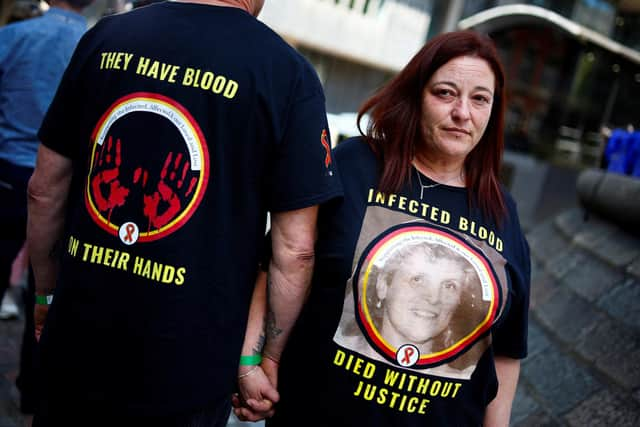

The Infected Blood Compensation Authority (IBCA) has made substantial compensation payments, but the task remains far from complete.
The fourth set of regulations, implemented by the IBCA on 1 October, represents a further step. They implement recommendations arising from Sir Brian Langstaff's Additional Report and address shortcomings within the original scheme. They provide greater recognition for those infected as children, improve provision for some people living with hepatitis and increase some awards for bereaved and affected family members.
These are welcome changes. They demonstrate that listening to the infected blood community can improve the scheme. They also demonstrate that the scheme cannot be regarded as finished. The compensation framework must continue to evolve to ensure those entitled to compensation receive it.
The real measure of success was never the number of regulations Parliament could pass. It was always going to be whether compensation reached people quickly, fairly and in a manner that reflected the decades they had already spent waiting.

Sir Brian’s Additional Report was clear about the distress caused by the slow pace of compensation. Further years of uncertainty would be unacceptable for the community.
That concern has not disappeared.
Many people remain outside the active claims process. Affected family members continue to wait. Uncertainty also remains around supplementary claims, through which some of the most significant losses will be addressed. How these claims are handled may ultimately determine the scheme's fairness.
Complexity remains a concern. Four sets of regulations demonstrate how complicated the scheme has become. Sir Brian explicitly recognised the complexity of the regulations, concluding that legal assistance was essential.
Compensation is not simply about processing applications quickly. It is about ensuring people receive the compensation to which they are properly entitled.
Another milestone now approaches. From February 2027, responsibility for Scottish support payments will transfer to the IBCA. Those receiving support have been assured that payments will continue without interruption. That promise must be delivered.
Scotland has its own history within this scandal. The community has fought for decades for recognition, accountability and redress. The transition to the IBCA must not create fresh uncertainty for people who have already endured far too much.
Progress has been made and thousands of people have now received awards which once seemed unlikely ever to arrive.
But success cannot simply be measured by money paid or claims processed.
History will judge the compensation scheme by whether every infected and affected person receives fair compensation, whether gaps are addressed and whether justice is delivered before further delay robs more people of the chance to see it done.
Jonathan Howat, Partner at Thompsons Scotland