
Scotland’s housing crisis is really a skills crisis
The industry must invest in the workforce of the future to build the homes Scotland needs, writes Alison Condie
Scotland’s housing crisis runs deeper than planning approvals or land availability. Even when sites are ready for construction, projects are stalling. The cause is clear: there aren’t enough skilled workers to meet the demand, making it harder for the country to achieve its housing targets.
Construction firms across Scotland are struggling to fill roles at every level. Traditional trades such as bricklaying, plumbing and electrical work are in short supply. At the same time, green skills, including solar panel installation, heat pump engineering and energy-efficient retrofitting, are increasingly difficult to source.
A recent Scottish Government survey showed that 30 to 40 percent of construction businesses report worker shortages. More alarmingly, a survey from the Federation of Master Builders and the Chartered Institute of Building found that 72 per cent of Scottish firms said the lack of skilled tradespeople saw projects delayed or cancelled in the first half of 2025.
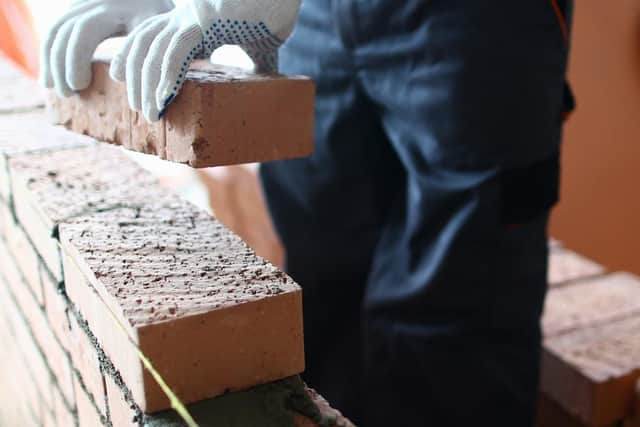

These shortages have real-life consequences. Rising labour costs and supply chain pressures are pushing up overall project expenses. Housing delivery is slowing, making it harder to address Scotland’s shortage of homes. National infrastructure and climate targets are under threat. Unlocking land and obtaining planning permission is crucial – of course it is – but this is only part of the solution. Without the people to deliver much-needed new homes across all tenures, Scotland simply cannot meet its ambitious housing goals.
The solution requires a shift in how the industry attracts, trains and retains talent. Apprenticeship numbers have remained flat even as demand for new homes grows. An ageing workforce adds further pressure as experienced tradespeople retire, and trade-specific shortages in roles such as bricklaying, carpentry and plastering make recruitment even more difficult. Without urgent action, the skills gap will continue to grow and risk the quality, safety and sustainability of construction projects.
We need to show young people that construction offers rewarding, long-term careers. Today’s industry is technology-driven and sustainable, providing opportunities from hands-on trades on site to project management and cutting-edge green energy roles. By highlighting these pathways, we can inspire a new generation to consider careers in the sector and ensure a steady pipeline of skilled workers for Scotland’s future.
Industry-led initiatives are already showing results. Barratt Redrow runs an active schools outreach programme to engage young people and introduce them to the opportunities available in construction. We have extensive partnerships with universities, colleges and schools across the country and around 8 per cent of our workforce is on a development programme with us at any one time. We also run numerous award-winning schemes for graduates, apprentices and degree apprentices, as well as former Armed Forces personnel.

At the same time, government policies, such as Rachel Reeves’ plan to provide paid apprenticeships to young people who have been out of work or education for 18 months, offer a practical route into the workforce. Barratt Redrow is expected to be among the first signatories to this scheme, demonstrating the potential of public-private collaboration.
However, more needs to be done. Schools, industry and government need to work together to promote the modern face of construction and provide clear, aspirational career pathways. Investment in training and apprenticeships will ensure that young people understand the range and value of opportunities in the built environment.
Scotland’s housing ambitions, infrastructure goals and net zero targets all depend on skilled people. To build the homes that Scotland needs, and to create a thriving, sustainable industry, we must invest in the workforce that will deliver the future and the time to act is now.
Alison Condie, regional managing director for Scotland, Barratt Redrow
Comments
Want to join the conversation? Please or to comment on this article.