
UK inflation jumps to 3.1%: The impact on interest rates, your savings and your mortgage
“Inflation figures have once again become too backward-looking, even for a central bank” – George Lagarias, chief economist, Forvis Mazars
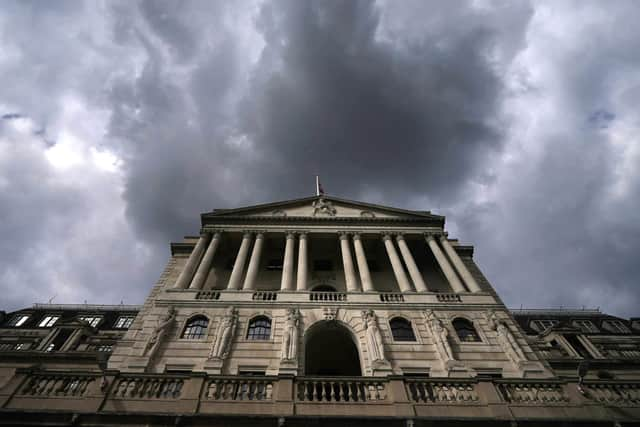
Bank of England rate-setters will be under fresh pressure to raise borrowing costs before the end of the year amid signs that inflation is back on an upward trajectory.
According to the Office for National Statistics (ONS), the annual measure of consumer prices index (CPI) inflation rose to 3.1 per cent last month, compared with 2.9 per cent in July, which was already up from June’s 15-month low of 2.6 per cent.
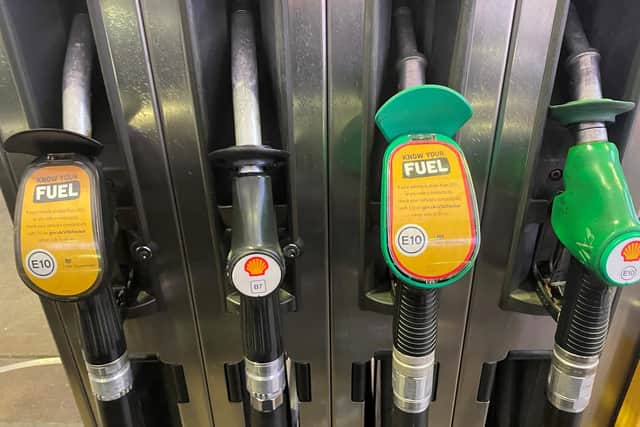
Motor fuels contributed significantly to the rise in inflation, after the average price of petrol rose by 9.1 pence per litre between July and August. As motorists will have noticed when visiting the pumps in the past couple of weeks, the price of petrol and particularly diesel has risen even further since the end of last month. Higher airfares, particularly for long-haul journeys, also contributed to the latest spike in CPI.


Inflation is now more than a percentage point above the Bank of England’s 2 per cent target and moving in the wrong direction.
The timing of this latest spike is critical, with the central bank’s nine-strong monetary policy committee due to announce its latest interest rate decision on Thursday. July’s gathering saw three of the nine members vote to raise interest rates by a quarter point to 4 per cent from their current level of 3.75 per cent and the latest inflation data is likely to add strength to that hawkish sentiment.
With the energy price cap increase coming in from the start of October, and despite a temporary cut in VAT on power bills, inflation is expected to increase further from here. At the end of July, the Bank of England predicted that inflation would increase to 3.2 per cent - only slightly above August’s reading - before the end of 2026 before falling back again during 2027. That is now looking increasingly optimistic.
Besides the volatile situation in the Middle East, there are other risks that might cause inflation to go even higher down the line, including the El Nino weather pattern, which has the potential to hit next year’s crop yields.
That’s a headache for the central bank, businesses and consumers as they brace themselves for further inflationary fallout.
Alice Haine, head of personal finance at investment platform Hargreaves Lansdown, said it was a time when many people would be looking to trim spending and boost savings in the run-up to Christmas.
“Rising prices, particularly on fuel and energy, make that considerably harder,” she noted, “with more income swallowed up by essential bills, leaving less room to save and invest for the future.
“Savers may have been enjoying more competitive savings rates of late, but the benefit only applies to those who actively shop around for the best deals. Anyone whose money is sitting languishing in an account with an ultra-low rate is losing real value every month.
“While rising bills will feel all too familiar for households still recovering from the darkest days of the cost-of-living crisis, building a healthy emergency fund is one of the best ways to strengthen financial resilience. As a rule of thumb, those of working age should aim for at least three months’ worth of essential expenses in cash, while for retirees it’s between one and three years’ worth.”
Ranald Mitchell, director at mortgage specialist Charwin Mortgages, said higher inflation was biting directly into mortgage affordability.
“As household costs such as fuel, food, utilities and insurance rise, lenders’ affordability models have to allow for more everyday expenditure, leaving less income available to support a mortgage,” he said.
“That can reduce borrowing power even if mortgage rates themselves do not move significantly. For some buyers, the amount they can borrow may fall at exactly the same time as their monthly living costs are increasing.
“We have also already seen mortgage lenders repricing upwards this week, so borrowers face a potential double squeeze, higher mortgage rates and tighter affordability. Savers may benefit from rates staying higher for longer, but they still need to ensure their returns are keeping pace with inflation.”
The increase in inflation and stronger producer prices strengthen the argument to hike the bank base rate to 4 per cent. That may not happen as early as this week, but there are two more meetings of the MPC, on November 5 and December 17, before the turn of the year.
On the flip side, a weakening UK labour market strengthens the case for patience among the majority of MPC members. Raising interest rates cannot produce more oil, which lies at the heart of the current inflationary spike, it can only suppress domestic demand further.
George Lagarias, chief economist at Forvis Mazars, said: “Inflation figures have once again become too backward-looking, even for a central bank.
“Oil and gasoline supply disruptions are growing by the day, even as global reserves are reaching a critical point. At this juncture, the risk isn’t a linear rise in inflation, but an energy-driven economic shock.
“The central bank can do precious little about such supply-side disruptions, especially potential ones. Despite elevated rate expectations (four to five hikes until mid-2027), the Bank of England should avoid looking at historic inflation data and think twice before taking action altogether.”
Professor Joe Nellis, head of economic research at MHA, the accountancy and advisory firm, said: “Rising inflation also creates a headache for the new government and Chancellor John Healey ahead of their first Budget. A significant part of UK government debt is index-linked, and persistent inflation can keep gilt yields and interest rates higher for longer, adding billions of pounds to debt-servicing costs and eroding the government’s limited fiscal headroom.”
Comments
Want to join the conversation? Please or to comment on this article.