
UK’s green ambitions depend on support for oil and gas
Last week’s Budget policy papers will have been a disappointment to the North Sea industry, writes Chris Sawyer
The UK’s ambitions for growing offshore renewables generation and implementing carbon capture storage solutions will be hampered without further support for the North Sea oil and gas industry.
Important policy papers published last week alongside Chancellor Rachel Reeves’ Budget will have been greeted with disappointment in the industry.
The government firstly confirmed that the Energy Profits Levy (EPL) will remain in place until March 31, 2030, when it will expire, rather than end the levy early as the industry had sought to justify.
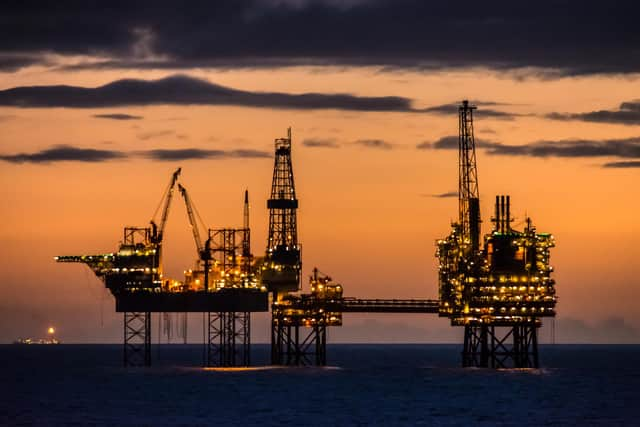

The EPL was introduced in 2022 as a temporary measure in response to the perception that oil and gas companies were profiting excessively from the rise in energy prices that followed the end of the Covid-19 pandemic and Russia’s invasion of Ukraine.
Secondly, the UK government confirmed EPL will be replaced with a new permanent Oil and Gas Price Mechanism (OGPM) tax. Instead of targeting “windfall” profits, the OGPM will be a revenue-based tax.
Oil and gas companies operating on the UK Continental Shelf will be subject to the tax where they dispose of oil or gas and the price they receive for those disposals exceeds set price thresholds – one for oil, and one for gas – which will be adjusted annually in line with CPI inflation to maintain their real value and ensure predictability over the long term.
The OGPM “will only apply during periods of high prices” and only the amount of revenues companies generate exceeding the thresholds will be “chargeable to the OGPM”.

Whilst these new measures are welcome, the timing of their introduction is a disappointment to the industry.
The government also published its response to its separate consultation on “building the North Sea’s energy future”. It confirmed that it will “cease issuing new oil and gas licences to explore new fields” but introduced ‘transitional energy certificates’ to enable operators to maximise the extraction of resources from the seabed “adjacent to an existing licensed block”, provided activities under these certificates do not involve exploration.
It remains to be seen whether these measures will encourage greater levels of investment.
Support for North Sea oil and gas production is vital to support the UK’s longer-term decarbonisation goals, owing to the fact that many of the companies in the existing supply chain (and the thousands of people they employ) will be the ones the government looks to in pursuit of net zero targets, and to facilitate offshore renewables and cleantech projects at scale.
The UK can’t afford for growth to stall in this crucial part of the economy, especially as domestic oil and gas continues to play a leading role in upholding the UK’s energy security, reducing dependence on costly imports and providing tax revenue from both employers and employees.
While the EPL remains in place, it makes it difficult for businesses to plan investments and risks government ambitions of delivering a lower carbon future, while the continued ban on new licences and exploration raises doubt that there will be material opportunity for future oil and gas development projects offshore.
Chris Sawyer, Partner and energy specialist at Pinsent Masons
Comments
Want to join the conversation? Please or to comment on this article.