
Where does the Scottish tech ecosystem go from here?
The biggest shift in running a business is the rise in remote working, not AI, writes James Lucas
The Scottish technology sector is experiencing a moment. After a tough couple of years post-Covid boom, we are entering a period of rejuvenation, resulting in a collective sigh of relief by leaders in the ecosystem.


Playing a part in this is not only the investment success seen by those involved in Techscaler (which to date has seen companies linked with it secure £66m in investment), but also more recently from Par Equity’s merger with Manchester’s Praetura to create a £670m Northern Powerhouse. All of this reinforces Scotland’s long-standing heritage as a home of invention and innovation.
Despite this positivity, some might consider this one of the most challenging market environments for sustaining a business, not just starting one.
While of course, during all of this, aspects like managing cash flow are vital (a lesson that has stayed with me since I studied Business Studies at school), the world has evolved considerably – and the way in which the ecosystem is cultivated and led must also evolve.
Having started my own tech business over a decade ago, the biggest shift in running a business is not AI; it has been the rise in remote working. While many believe this was Covid’s doing, it was something we have practiced since Day One – and even now, more of our team work remotely than they do in the office.
Approximately 70 per cent of our team live more than one hour away from the office. Despite calls from global corporates heralding the need to return to the office full time, I would caution that emulating this could significantly hinder the growth of Scottish tech businesses, particularly startups and scale-ups.
We found that abandoning office presenteeism and being flexible in our expectation of office attendance and team members’ lives outside of work, has not only enriched our culture, but it has also meant that we have been able to hire and retain talent that might ordinarily have overlooked us. By focusing on skills and cultural fit (rather than postcode), the sector will extend its talent horizons considerably and boost opportunities for success.
Pandemics aside, broader macroeconomic and geopolitical factors (for example interest rate rises and inflation) have increased the pressure on the Scottish business landscape and taught us to be more resilient. In the tech sector that also means being prepared for a slowdown in tech investment as IT budgets become leaner.
This can place considerable pressure on even the most experienced business leader, but for an ambitious, fledgling tech entrepreneur, potentially with investors seeking a return, the heat is turned up further.
Despite this, we should not be afraid to evolve and challenge even our own thinking – particularly with the expectation placed on us. With all the brilliance and innovation that exists in Scotland today, there’s always the chance that the market isn’t ready, or that feedback demands a fundamental change to the original blueprint.
My advice? Make sure that you are amenable to change rather than going all in on version 1.0: iteration can bring beauty and open you up to new people, thinking, audiences and success. Go with the gut and grow with your thinking.
As a sector, we must also move beyond only seeing success in tangible tech. Too often, I see brilliant entrepreneurs knocked back from investment as they have created a service which cannot be held in the palm of their hand.
Given that computer programming and consultancy makes up 85 per cent of all Scottish digital tech businesses, as a collective we need to retune our thinking and see B2B tech as something just as impactful (maybe even as valuable) as a piece of hardware. Afterall, this relatively narrow view is peculiar given the success of financial services in Scotland which equally doesn’t produce a tactile product, so why is that different in tech?
Such a recognition will unlock even more investment streams, foster diverse innovation and attract broader talent, positioning Scotland as a true leader in the global digital economy.
At the end of the day, even with ecosystem rejuvenation, there must be realism. While the dream of success, riches or impact might be where the sector is headed, we must keep in mind that Rome wasn’t built in a day, and so we cannot expect the same for those scaling their business here.
Scotland is full of entrepreneurial talent and a great place to start a business. With a skilled and talented workforce, I’m confident that we will see an explosion of new tech companies over the coming years.
For the sector to achieve this, we need to ensure that there is collective self-belief, an openness to change and awareness of what is going on outside of Scotland’s borders. By maintaining sight of an achievable target and recognising the bigger picture, while there might be tough times ahead, with a determined mindset we can achieve anything.
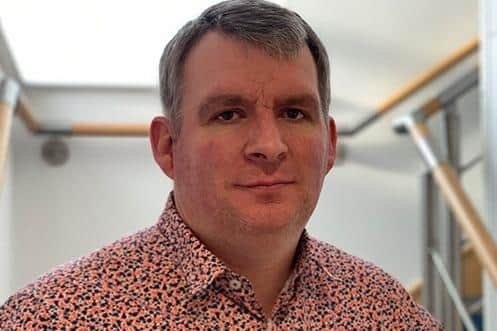
James Lucas, CEO, CirrusHQ
Comments
Want to join the conversation? Please or to comment on this article.