
Why Scotland's family firms might need to rethink succession planning
Inheritance tax changes and increased scrutiny by HMRC are combining to add new financial pressures, writes Chris Smith
From local shops to some of Scotland’s best-known companies, family businesses are vital to our economy. In Scotland, nearly three-quarters (72 per cent) of small and medium-sized businesses with employees were majority family-owned last year, according to the Scottish government’s Small Business Survey.
But Scotland’s family business owners now face two significant pressures: inheritance tax changes that could make succession more expensive, and greater HMRC scrutiny of their financial affairs.
Inheritance tax rules introduced on April 6 changed Business Property Relief. Previously, qualifying family businesses could be passed on without inheritance tax regardless of value, but now full relief is limited to the first £2.5 million of qualifying business assets, with anything above potentially facing an effective 20 per cent inheritance tax rate.


How can families pay without withdrawing business funds (and facing tax charges) or selling assets needed for investment and jobs? Although tax can be paid in ten annual interest-free instalments, families will still need to find the funds to cover these payments. Despite further changes announced in the recent Budget, due to take effect in April 2028, there are still steps families can take now to plan ahead.
This also means owners may need to consider whether to pass shares to children during their lifetime or leave them to inherit the business. Gifting shares earlier can have different tax implications depending on individual circumstances, while also potentially requiring owners to give up control of the business sooner than intended.
A difficult conversation for families
Beyond the tax implications, passing on a family business is often about handing over something that has taken generations to build, and it is not always the case that the intended successor wants or is ready to take control.
The challenge is also evolving, with KPMG’s 2026 Global Family Business Report finding that while nearly half (49 per cent) of respondents currently describe their businesses as family-run, just 12 per cent expect to operate under that model by 2035, pointing to a shift towards alternative management and ownership structures.
For Scottish family businesses, this reinforces the importance of planning early, establishing whether the next generation is willing and able to take over and exploring alternatives before tax pressures or changing family circumstances force decisions.
Getting the house in order
Alongside succession planning, families must also consider whether their financial arrangements could withstand questions from HMRC, which can examine how businesses and their owners manage their tax affairs.
Over time, it is not uncommon for the lines between business and personal to become blurred and there is now an increased level of scrutiny being placed on how the wider family group and its wealth is structured, funded and rewarded.
HMRC are joining dots across the family, the business and the wider wealth structure to challenge and change behaviours, and to close a perceived tax gap.
This scrutiny is unlikely to ease or dissipate anytime soon as the Chancellor announced at the recent Budget that an additional 670 HMRC compliance officers are being recruited, on top of the pledge to recruit 5,500 officers by 2029-30
For Scottish family businesses, these pressures underline why succession planning should begin well before retirement, with owners reviewing their potential inheritance tax liabilities and making sure their financial arrangements remain appropriate.
Ultimately, while the inheritance tax changes may encourage owners to bring succession decisions forward, tax should not be the only consideration. Scotland’s family businesses have built their success over generations and protecting that legacy means balancing new financial pressures, ensuring the next generation is ready and supporting the long-term needs of the business.
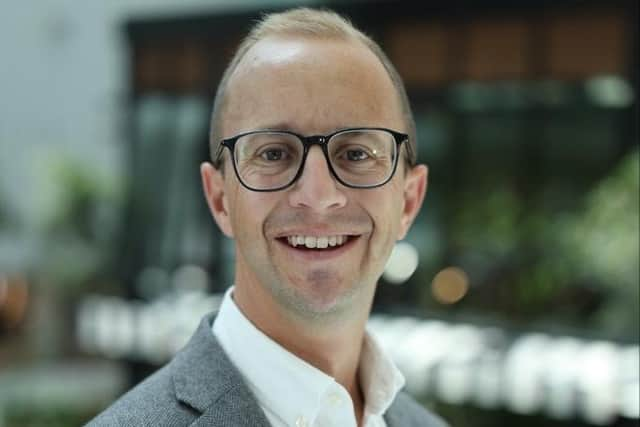
Chris Smith, Partner at KPMG UK and Head of its Family Office & Private Client Business in Scotland
Comments
Want to join the conversation? Please or to comment on this article.