
Raac concrete and why it is time for Scotland to fix the roof while it is raining

The bubbly concrete may have slipped down the news agenda, but the problem has far from disappeared
Raac was one of the biggest issues in the UK when concerns about its safety hit the headlines in autumn last year.
New surveys were ordered which confirmed the discovery of the bubbly construction material in scores of public buildings, including schools and hospitals, causing widespread alarm
Since then, the issue has dropped down the news agenda, but the problem it poses has far from disappeared.
Just ask the residents of Aberdeen’s Torry who face having their homes demolished because of the presence of Raac.
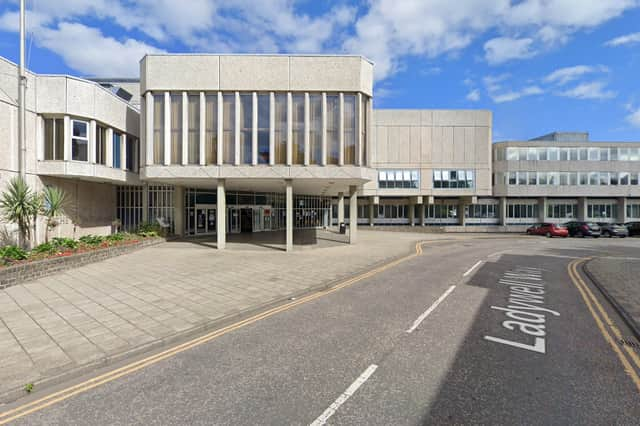
And then, last week, it emerged East Lothian Council could be forced to demolish the Brunton Hall theatre, cafe and office block in the heart of Musselburgh, again because of Raac.

These safety decisions would be difficult at any time, but are particularly acute for the likes of councils and colleges, some of whom are on the brink of financial failure.
The Scottish Government, too, will say it has no spare funds to intervene, which may be true.
But you do not rack up a £775 million repair and maintenance backlog overnight, like the one that exists in Scotland’s college estate.
If there had been greater capital investment in relatively prosperous years, then colleges and other public bodies would be better able to deal with issues like Raac today.
The UK government can not escape the blame either.
When he was chancellor of the exchequer, George Osborne was fond of saying the coalition government was “fixing the roof while the sun is shining”.
Now UHI Moray says it will likely have to close an entire wing of its building this winter if it rains, because the roof is made of Raac and has not been fixed.

Jeremy Hunt, who was chancellor last year when the Raac crisis exploded, said he would “spend what it takes” to resolve the problem. Then he did not.
This week, his successor Rachel Reeves is expected to use her first Budget to change the UK government’s self-imposed debt rules in order to free up billions of pounds for infrastructure spending.
Perhaps some of that money might make its way north to repair Scotland’s schools, hospitals, theatres and colleges.
It may be raining, but their roofs still need fixed.
Comments
Want to join the conversation? Please or to comment on this article.