
'Best time in decades' for Scottish farmers to convert to organic

Recent figures show the organic food and drink market in Scotland has grown by 20.6 per cent in five years.
Now is the best time in decades for farmers in Scotland to adopt nature-friendly farming by applying for funding to convert their landholdings to organic, industry leaders have said.
Soil Association Scotland said with the organic sector growing by just over a fifth in the last five years north of the border, now is the time to make the switch.
The message from the charity, which supports farmers and crofters in adopting nature-friendly, sustainable practices, comes as the window opens for the Agri Environment Climate Scheme (AECS).
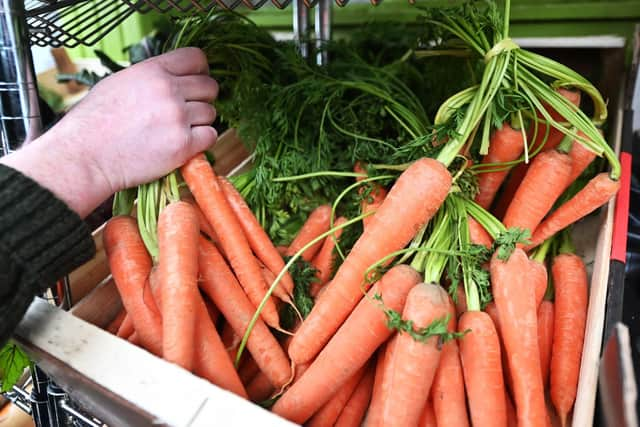

AECS, which starts accepting applications from Monday 23 February, brings financial support to land management practices which protect and enhance Scotland’s natural heritage, improve water quality, manage flood risk and help to mitigate and adapt to climate change.
It comes just weeks after the UK’s first nationally funded Scottish Organic Action Plan was launched by Scotland Food and Drink. The plan was launched to help meet the Scottish Government’s goals to boost organic farmland, which is managed to high environmental and animal welfare standards including no harmful pesticides.
Soil Association Scotland co-director David McKay said: “In the past few years we have seen a rise in farmers seeking organic certification.

“This is tied to multiple reasons, from consistent policy support for conversion, high level political targets for growing organic land, to consumers increasingly becoming aware of the benefits of organic products.
“Recent statistics reveal that in Scotland, while the market share is still small, organic food and drink has grown by 20.6 per cent in five years. We believe right now is the best time in decades for farmers in Scotland to grab onto a market that is only growing.”
The annual opportunity closes on Monday 22 June for combined applications and on Friday 31 July for organic farmers. It is set to contribute to the Scottish Government’s goal of doubling organic farmland to more than 200,000 hectares this year.
In addition to AECS, organic farmers and crofters will automatically be eligible for government support via the Basic Payment Scheme. Organic systems tick the animal health and welfare and integrated pest management areas from the whole-farm plan, due to requirements in organic for farmers to deliver high animal welfare and use natural solutions over pesticides.
Nikki Yoxall, who manages the Rottal Estate, a livestock farm in the Angus Glens in partnership with her husband James and Estate owner Dee Ward, shared the benefits of recently getting organic certification.
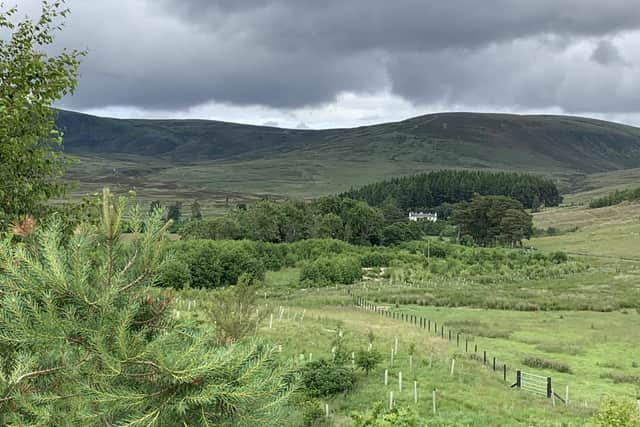
“Getting certified in September 2025 was a huge milestone for us,” she said.
“For farmers considering the move, AECS provides financial support that makes the shift easier. The environmental returns are immediate, and the scheme helps you manage the practical business challenges of converting. The curlew, a red listed bird which has been in decline for decades, is one we can now see in the spring, and this is a reminder of why we apply an organic approach.
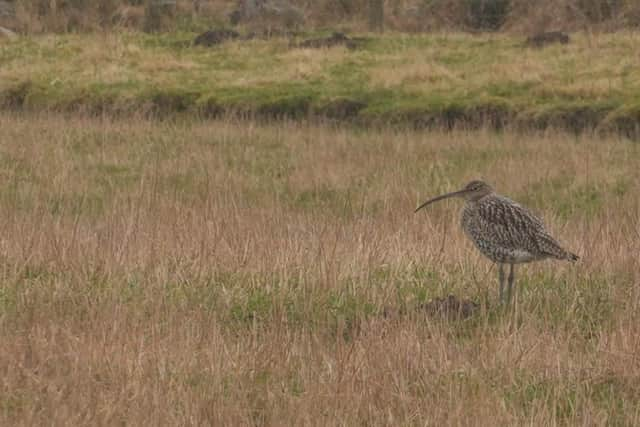
"The payment has been an important buffer to support the broader business transformation. For example, having to buy organic products without always having an organic supply chain in Scotland to offset that cost can be challenging.”
Sam Parsons, farm manager at Balcaskie Estate in Scotland, converted the farm to organic in 2016 and said the transition to organic had proved a success.
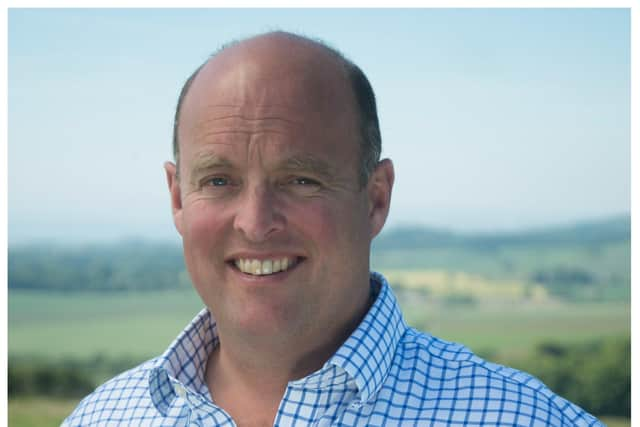
"Economically, we are performing even better than our conventional system,” he said.
“We’re doing that whilst increasing employment, improving soil quality and biodiversity, and over time we expect profitability to increase further.
“Organic farming requires more planning, but you can also afford to take more gambles as there is lower risk and more variable outcomes in terms of yield.”
At an event organised in partnership with Soil Association Scotland and Soil Association Certification in November 2025, Mairi Gougeon, Cabinet Secretary for Rural Affairs promised £200,000 for the roll out of the Organic Action Plan which will come into effect next week.
Comments
Want to join the conversation? Please or to comment on this article.