
Rural schools in Scotland suffering 'exodus' of teachers


Almost half of teachers responding to a report on teaching said they face either supply-only work or unemployment for the next year.
Rural schools are suffering most from an “exodus” of teachers, an MSP has said, after a report came out showing high job insecurity among the profession.
Scottish Conservatives MSP Alexander Burnett, who has campaigned for saving nurseries and schools from closure across Aberdeenshire, said the Scottish Government urgently needs to address what he called “the continuing scourge of temporary contracts” in teaching.
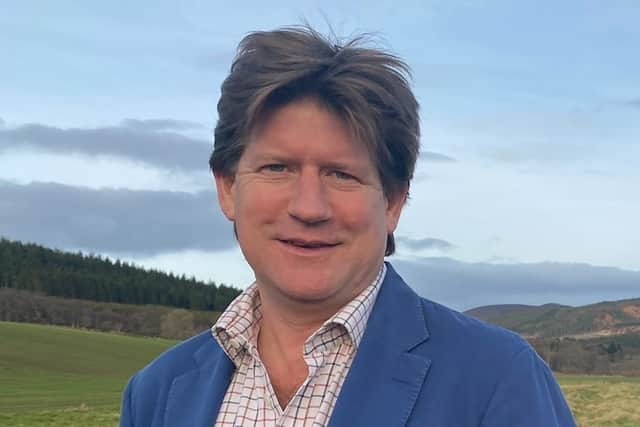
The politician’s comments come as a report by grassroots organisation Scottish Teachers for Permanence (STP), a group dedicated to advocating for job security and stability for more than 4,500 teachers across the country, published alarming responses to a recent survey on job security in the profession.
Answers from 555 respondents found 80 per cent faced insecure employment in teaching in Scotland over the last year.
The report showed just 12.5 per cent of teachers interviewed are moving into permanent posts for the upcoming term. Almost half, (47.9 per cent) said they face either supply-only work or unemployment for 2025-26.
Teachers interviewed came from some 30 different regions all over Scotland, from Fife to Orkney, the Highlands to the Scottish Borders, with authors saying the geographic spread demonstrates that employment insecurity transcends urban–rural divides and affects every Scottish local authority area.
The largest cohort (42 per cent) was teachers between 25 and 34 years old. An overwhelming 80 per cent (446 respondents) work primarily in primary education, with secondary representing 12.6 per cent.
Some 60.4 per cent of teachers responding to the survey said they believe their professional service is not recognised by local authorities in recruitment.
The STP report said 42 per cent of those who responded to the survey have two or more years of continuous experience in teaching.
Mr Burnett said the findings will particularly impact rural regions, some of which struggle with recruitment.
Scottish ministers said local authorities are responsible for the recruitment and deployment of teachers.
They acknowledged there is a challenge around recruitment of teachers in certain geographical areas.
Mr Burnett said: “These alarming findings highlight the deepening crisis that exists within the Scottish education system, particularly in our rural schools,” the MSP for Aberdeenshire West said.
“Teachers are at the end of their tether, and it is time the SNP government urgently addressed their concerns.
“We cannot allow a situation to continue where teachers are struggling to put food on the table, while schools in regions such as Aberdeenshire are struggling to recruit teachers.
“Many are also uncertain over what their future employment prospects are after completing their probation period amid the continuing scourge of temporary contracts.
“Losing them will significantly hamper literacy and numeracy levels, as well as limiting opportunities for pupils to learn foreign languages and technical skills.
“The Scottish Government must take notice of these findings by giving teachers secure employment in rural areas so every child has the same educational opportunities, regardless of where they live.”
The Scottish Government pointed to a £186.5 million sum it is giving to local authorities this year to restore teacher numbers to 2023 levels and maximise the number of teaching posts available.
A spokesperson said: “It is encouraging to note that the number of teachers in our classrooms has increased by more than 2,500 over the past decade and the number in permanent posts has remained stable at more than 80 per cent over the past 10 years.
“We recognise there is a challenge around the recruitment of teachers in certain geographical areas, and we are taking action to address this. For example, through the Preference Waiver Payment, probationary teachers can receive up to £8,000 if they opt to complete their probation anywhere in Scotland, particularly in remote or rural areas.”
They said education secretary Jenny Gilruth will hold a roundtable in September, with teaching unions, The General Teaching Council for Scotland, COSLA and other professional associations to discuss challenges around teacher recruitment in more detail.
Comments
Want to join the conversation? Please or to comment on this article.