
Scotland's post-Brexit farming support plan falls flat without commitment to multi-year funding


Critics say Scotland is falling behind England and Wales in terms of progress in the sector
The Scottish Government’s long-awaited post-Brexit farming plan has been slammed by rural groups and industry figures for failing to commit to multi-annual funding — a demand repeatedly made by the sector.
The newly published Rural Support Plan 2026–2031 sets out how ministers will fund agriculture following the end of the EU’s Common Agricultural Policy (CAP), which formally ceased in 2023. Scotland has been the slowest of the UK nations to fully publish and implement its post-Brexit support framework.
Farmers have long argued that guaranteed multi-year funding is essential for the long-term planning required in crop and livestock businesses. Critics say annual budgeting creates uncertainty, leaving farms exposed to shifting government priorities, volatile markets and geopolitical shocks.
Farming groups pointed to concern over the plan’s confirmation of a flat £677 million annual settlement, warning this amounts to a real-terms cut, particularly as input costs such as feed, fuel and fertiliser continue to rise. The National Farmers Union Scotland (NFUS) said this “runs counter to our long-standing call for increased investment in agricultural support.”
While the plan fails to provide the detailed funding breakdown many had hoped for, it confirms that the bulk of direct payments — Tier 1 support, which underpins most farm incomes — will remain largely unchanged until 2030.
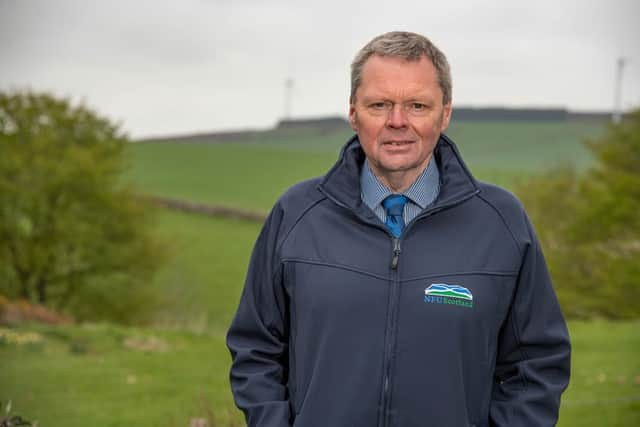
This stability was welcomed by the NFUS. However, environmental groups and some industry voices condemned the approach as a “lost decade” for reform in the sector, warning Scotland is falling behind England and Wales in terms of progressive support.
Pete Ritchie, convener of Scottish Environment LINK’s Food and Farming Group, said: “The Rural Support Plan should set out a clear path for how the Scottish Government will help our farmers and crofters become both ecologically and economically sustainable, starting now.
“Instead, the plan will see Scotland maintaining an ineffective and unfair system of payments for a decade after the chance for reform, and only modest changes even then.”
The Scottish Agroecology Partnership, a coalition of seven organisations including Nature Friendly Farming Network, Scottish Crofting Federation, Pasture for Life, Soil Association Scotland and Landworkers' Alliance, accused ministers of “following the status quo.” It called for more radical changes including capping payments and redistributing support towards smaller farms.
Tim Eagle, a sheep farmer and Scottish Conservative MSP, dismissed the plan as “nothing more than a word salad that isn’t worth the paper it’s written on”. He said key industry demands — including multi-annual funding — had been ignored.
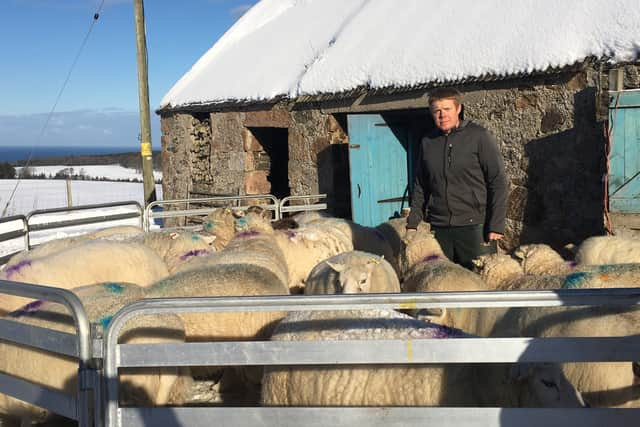
“Farmers and crofters were expecting clarity on environmental schemes, payment structures and support for new entrants,” he said.
“Alarmingly, this document shows real-terms cuts every year for the next five years.”
Mr Eagle also accused the government of publishing the plan in the final days before the Scottish Parliament dissolves ahead of May’s Holyrood elections, “to ensure the future of farming can’t be scrutinised.”
The agriculture minister, Jim Fairlie, defended the plan as a “major milestone”, stressing its focus on climate, nature and sustainable food production. He said Scotland was delivering “the most generous direct support package in the UK” and insisted reforms would avoid cliff-edge changes to payments.
The plan is the first required under the Agriculture and Rural Communities (Scotland) Act 2024, which obliges ministers to set out every five years how farm support will deliver outcomes such as cutting emissions and improving biodiversity.
Comments
Want to join the conversation? Please or to comment on this article.