
Scottish farmers hit by bluetongue in limbo after 'mayhem' policy approach

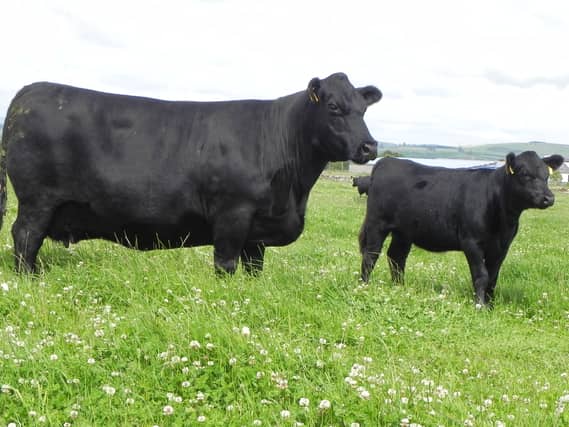

Ministers confirmed the virus is now endemic in parts of Scotland.
Farmers with confirmed cases of bluetongue have been left in limbo over what they can do with their livestock ahead of some of Scotland’s biggest autumn sales, as ministers confirmed the virus is now endemic.
South-west Scotland has been designated a Restricted Zone after the virus, which first reached Britain in 2023, spread north of the border last month.
Farmers without confirmed cases can apply for licences to move cattle out of the zone. Holdings where animals have tested positive cannot move livestock anywhere north of the zone for at least 60 days.
At least 20 premises in Scotland have now recorded cases of BTV3, although farmers have warned the figure is likely to be higher.

Iain Mitchell, who farms near Newton Stewart, was the fourth farmer in Scotland to have bluetongue confirmed in his livestock this summer. He said those with positive cases had been left in a markedly different position from neighbouring farms.
Until today, farms where livestock tested positive were not allowed to move any animal, whether vaccinated or not, positive or not, out with the restricted zone. The Scottish Government said the rule has been dropped given the cooler weather and less risk of the disease spreading by midges but licences for any movement are still required.
“Our neighbour is quite free to move anything to anywhere and we can’t just because we have tested and had positive cases,” he told The Scotsman.
“But the spread is not animal to animal, it’s midge to midge. Realistically, I would be surprised if you went onto a farm round here and they didn’t have it. Bluetongue is a midge-borne disease and it’s not always that easy to detect by just looking, particularly in cattle.
“Most of these new regulations that are coming out don’t apply to folk who have tested positive. People who have positive cases are in a totally different position to everyone else. This six-month rule is very frustrating. I have asked for clarification on where it came from but have not had an answer.”
The consequences are already being felt in the autumn livestock trade.
Mr Mitchell had expected to sell calves in August but withdrew them from a sale two days beforehand after a case was confirmed on his farm. He is now due to enter about 50 calves for an October sale at Newton Stewart but remains unsure whether to bring all of them, some of them or none because of the changing rules.
Although the calves are now vaccinated, the uncertainty centres on buyers who normally travel to the sale from further north, including Ayrshire and Aberdeenshire — markets into which Mr Mitchell cannot sell.
“The October calf sale is the biggest day of the year by a mile for Newton Stewart,” he said. “They are most likely going to see reduced trade.
“The more folk who find their animals test positive over time, the more animals that can’t go north.
“But unless you are repeatedly testing, you just won’t know whether you have it or not.”
The Scottish Government said livestock movement restrictions are necessary because infected animals can carry the virus over long distances. But it has also acknowledged that once bluetongue is circulating locally among midges, the restrictions become less effective.
In a statement to parliament, agriculture minister Jim Fairlie said: “We must be honest about the limits of movement controls. Once the virus is circulating in midges, these controls offer no meaningful protection.”

The minister added: “It is important that we now plan on the basis that bluetongue is becoming an endemic disease in parts of Scotland, one we will need to live and work with, rather than one we can simply keep out.”
Officials said vaccination was the only viable long-term strategy and urged livestock keepers to speak to their vets ahead of next year’s expected resurgence.
Despite the guidance, vaccines have been in short supply since demand soared after the first few cases were confirmed. Scottish Conservative MSP Finlay Carson called on ministers to secure vaccine supplies and boost veterinary capacity to protect farmers from the disease spreading further.
Mr Fairlie said: “I am aware there is concern about the supply of vaccines, but I am assured that this is only short-term. The manufacturers and wholesalers have been diverting millions of doses from European stock to GB and there is more vaccine in production.
“So I repeat the message: please speak to your vet and put an order in to avoid a repetition of the shortages we have seen this year.”
For Mr Mitchell, the past few weeks since bluetongue was first confirmed in Scotland had been “total mayhem”, he said, with policy and rules changing almost daily.
About a quarter of his herd — 45 cattle — initially tested positive and he was told they would be culled. The cull was then abandoned just hours before it was due to take place, leaving the farm facing a new set of restrictions without clear guidance about what would happen next.
“Everyone who had animals testing positive at the beginning had sleepless nights when they were culling animals,” he said.
“There has been no clear policy.
“The first plan was don’t move potentially positive animals into Scotland when Scotland was free of it, but did they not think that midges would come? There has been no plan for what was to happen when it arrived. That’s why the rules kept changing daily.”
Harry Begg, of Dumfries Auction Mart, said the larger upcoming sales would be “problematic”.
Over the past two weeks, he said, sales that would normally attract up to 500 people had seen closer to 150.
“The numbers aren’t good but things will be a bit better after the new restrictions allow movement with licences,” he said.
Andrew Hunter Blair, chief auctioneer at Newton Stewart Mart, said the region was entering its peak season for selling store cattle and prime sheep.

“Right through October is our busiest month but thankfully restrictions are easing, so it looks like we will be able to trade as near to normal as we can,” he said.
“There are a few farms under restriction but later on in the selling season they should be able to sell with us.”
Bluetongue is a notifiable disease of ruminant livestock affecting cattle, sheep, goats, deer and camelids. It doesn’t affect humans or food safety. It is a very serious disease for animals, causing deaths in sheep and causes severe fertility problems in sheep and cattle.
Comments
Want to join the conversation? Please or to comment on this article.