
'Tens of thousands' of sheep in Scotland at risk of not being sheared this summer due to visa changes

The move has prompted animal welfare concerns among the sector.
Tens of thousands of sheep in Scotland risk remaining unsheared this summer after the UK government ended a longstanding visa concession for overseas shearers, industry leaders have warned.
Earlier this month, the Home Office confirmed it would no longer grant visa‑free access for overseas workers who traditionally come from Australia and New Zealand each spring to assist with during peak shearing season. For years, Britain has operated a temporary arrangement allowing these seasonal workers to enter without the usual work visa requirements.
The decision, announced by Mike Tapp MP, Minister for Migration and Citizenship, has prompted an outcry from farmers and agricultural organisations.
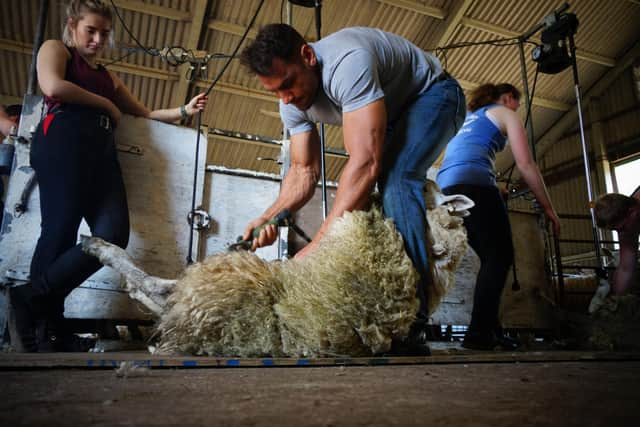

They warned Scotland simply does not have enough labour to shear the amount of sheep across the country. According to the 2025 Scottish Agricultural Census, there are some 6.54 million sheep north of the border.
Peter Myles, an Angus sheep farmer and chairman of the National Sheep Farmers Association Scotland (NSFAS), said the move posed a serious welfare risk for the animals.
“It’s atrocious,” he told The Scotsman.
“A group comes from New Zealand every year and spends the summer in the UK helping us because we do not have enough shearers here. They return home, and Scottish shearers go to New Zealand to help there.
“They have made a ridiculous decision. This summer, tens of thousands of sheep will need shearing, with insufficient people to do it. That is a huge welfare concern.”
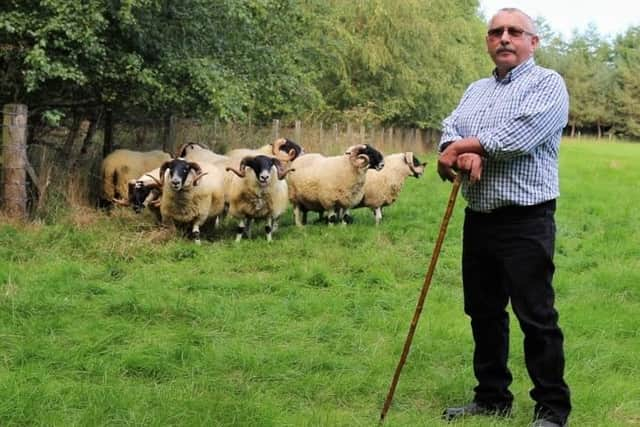
Mr Myles said that NSFAS is preparing a letter to the Department for Environment, Food & Rural Affairs (Defra) to express concern about the administrative change.
Sheep farmers have also warned that the move threatens a long‑standing international exchange that underpins shearing skills and seasonal labour supply, raising the prospect of labour shortages.
Phil Stocker, chief executive of the UK National Sheep Association, said the organisation was “dismayed” at the minister’s decision.
“Shearers have historically visited the UK from Australia and New Zealand as part of a global exchange, developing skills and industry connections,” he said. “It remains to be seen how UK shearers and wider agricultural labourers will fare as the Government negotiates future trade agreements.”
Overseas shearers may still enter the UK under standard visa routes, but without the tailored concession they must meet work‑visa requirements or apply through other immigration schemes — a process that is more challenging for seasonal, low‑to‑medium skilled roles.
Scottish minister for agriculture Jim Fairlie said he and rural affairs secretary Mairi Gougeon have written to the UK Government calling for the decision to be reversed.

Speaking at the National Farmers Union Scotland (NFUS) AGM earlier this week, he said the UK Government “clearly don’t understand the skill involved and the hard workers involved in shearing sheep.”
Mr Fairlie told the audience of farmers: “Please be assured that we are working ferociously that that decision is overturned because the teams [of shearers] are starting to be built now, people are making decisions on where the jobs are going to go so we’re making very strong representations that that decision gets reversed.”
A UK Government spokesperson said: “Over the last 15 years, Britain’s sheep‑shearing sector has strengthened and reduced its reliance on overseas workers, with only 75 shearers entering under this route last year. We are working closely with the sector to support alternative arrangements and develop long‑term solutions.”
Defra confirmed it will consult industry representatives on options to ensure the continued availability of skilled seasonal labour.
Comments
Want to join the conversation? Please or to comment on this article.