
The return of a scarce breeding raptor to Scotland's wetlands

The arrival was considered a major milestone in conservation work.
A four-year effort to restore reedbeds at a nature reserve in Scotland has borne fruit with the return of one of Britain’s more scarce breeding birds of prey.
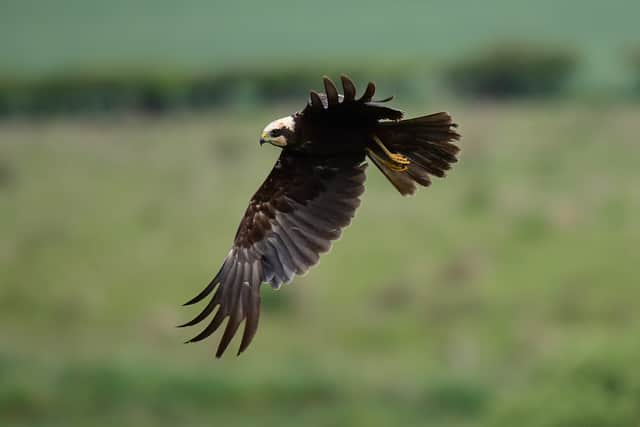
A pair of marsh harriers, once a rare sight in the UK, successfully nested at the Caerlaverock National Nature Reserve in Dumfriesshire last summer.
From close monitoring, reserve managers said they are confident chicks then fledged.
The arrival of the birds was hailed as a milestone by conservationists, who said the moment showed patient habitat management can help tip the balance for vulnerable species.

Staff at the reserve have spent the past four years restoring and expanding seven hectares of reedbed, with the specific aim of encouraging the birds to breed.
Marsh harriers, which favour expansive wetlands thick with reeds, remain scarce as breeding birds in Scotland despite a broader recovery across the UK.
The project comes after a pair attempted to breed at Caerlaverock in 2019 but their nest failed.
Determined to improve conditions, reserve managers studied successful sites elsewhere and commissioned vegetation and hydrology surveys to understand what was missing.

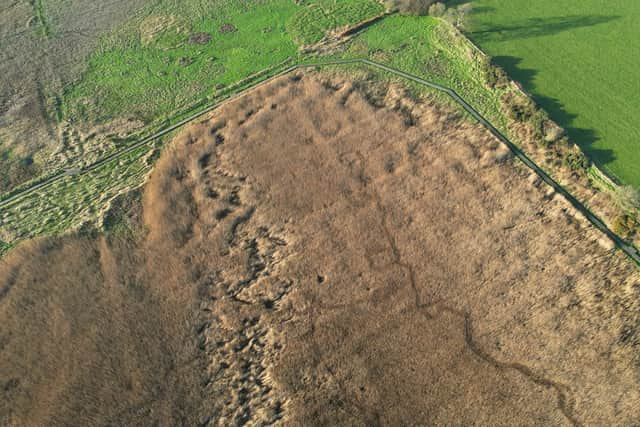
The conclusion, they said, was to raise the water table, cut back old reed to allow new growth, create open pools and increase the length of reedbed “edge” habitat — the transitional zones favoured by hunting harriers.
The changes have already lead to wider ecological benefits, with dragonflies colonising new pools and snipe numbers increasing, according to onsite staff.
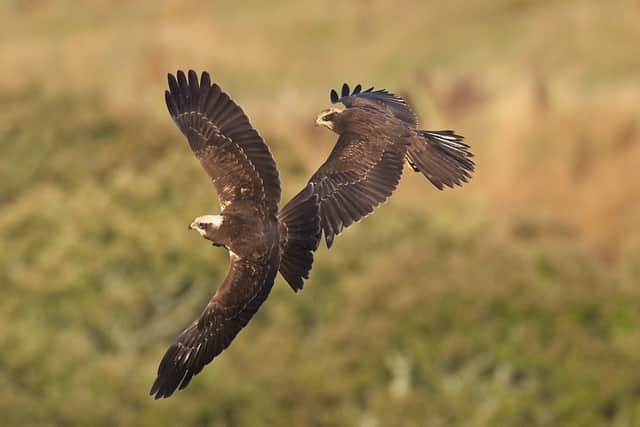
Suzanne McIntyre, the reserve’s manager, said that although the marsh harriers’ nest was concealed deep within the reedbed, flight patterns in and out of the site — and the number of birds seen later in the season — left little doubt that chicks had fledged.
“This is a fantastic result,” she said, noting that marsh harrier breeding remains uncommon in Scotland.
“We hope to see the birds return again this summer as the restored reedbed continues to recover.”
Work will continue, with long-term plans to expand the reedbed from seven hectares to 12, further strengthening the habitat’s resilience.
Marsh harriers are a highly protected species and visitors are being urged to observe any signage or temporary exclusion zones during the 2026 breeding season.
Comments
Want to join the conversation? Please or to comment on this article.