
Viking gene expert: 'Shockingly high' number of people from Lewis carry high cholesterol gene
Geneticist Professor Jim Wilson says the “shockingly high” prevalence of a the gene causing a potentially life-threatening condition highlights the urgent need for community-wide screening in the Western Isles, with a proposed £1 million project aiming to test 5,000 people
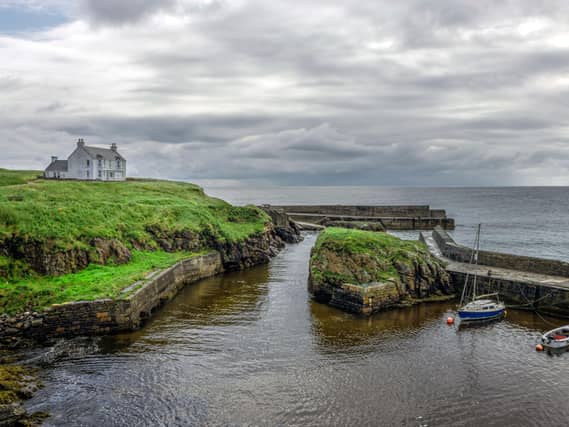


One in 54 people with parents and grandparents from Lewis carry a genetic variant associated with familial hypercholesterolaemia (FH) an inherited form of high cholesterol that can dramatically increase the risk of premature heart disease, according to new research.
The figure, described by Viking gene expert Professor Jim Wilson as “shockingly high”, is substantially greater than the prevalence across mainland Scotland, where approximately one in 340 people carry the condition.
Crucially, the findings are not confined to people currently living on Lewis, he said, but also apply to people with Lewis ancestry who have moved elsewhere.
“The headline figure from the latest research is that one in 54 people with parents and grandparents from Lewis will have FH, which is shockingly high,” Professor Wilson said.
“A mutation happened in the 1600s and everyone today who carries it comes from that same person.”
Professor Wilson leads the Viking Genes research programme, a genetic and health study led by the University of Edinburgh's Usher Institute.
It investigates genetic information from over 10,000 volunteers from Orkney, Shetland and the Hebrides to see how unique genetic variations found in the island populations influence health, disease risk, and inherited conditions.
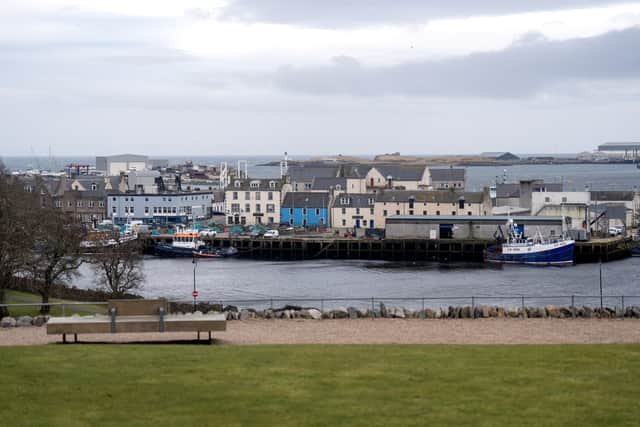
He said the latest findings make a compelling case for offering genetic screening to islanders, regardless of whether they have a known family history of the conditions closely connected to island heritage or not.
FH is an inherited disorder that causes high cholesterol and can leave people at serious risk of cardiovascular disease from a young age.
“People who have FH are at one hundredfold higher risk of dying between the ages of 20 and 39 from a cardiovascular death,” he said.
“It's not as if your risks increase by one per cent or two per cent. It's increased a hundredfold in that young age group.”
The danger, he said, is that people may be unaware they carry the genetic variant and therefore miss the opportunity to take preventative medication.
“The key thing is no one's taking statins in their 20s. You would need to know that you carried this gene variant, and very few people do know.”
The latest finding is part of a wider investigation under the Viking Genes programme into the genetic make-up of Scotland's island communities, which has uncovered unusually high frequencies of inherited conditions in the Hebrides, Orkney and Shetland.
In the past two years, Shetland has made progress with fundraising for community screening after research found that people living on parts of the archipelago have a seven-times higher risk of developing breast, ovarian and prostate cancers associated with BRCA gene variants than the population on the Scottish mainland.
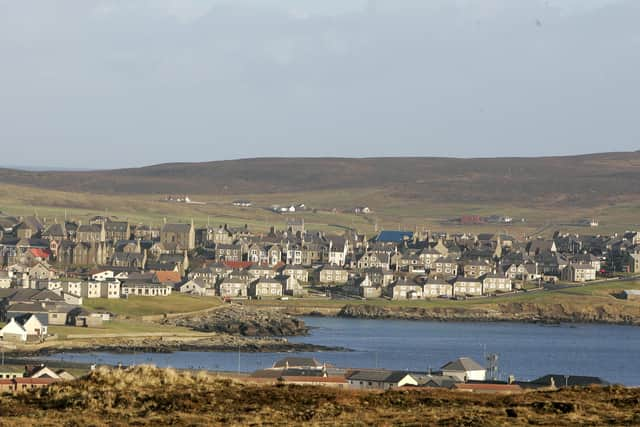
A positive finding from the latest research, Professor Wilson said, was that none of the 1,500 people tested in the Hebridean sample had the BRCA1 or BRCA2 variants associated with increased cancer risks in the Northern Isles.
“That's not to say there will be zero cases in the entire 26,000 people who live in the Northern Hebrides, but in our sample there were none.”
The research began with an analysis of 40,000 white people from Britain and Ireland, including significant representation from the Scottish islands, which identified five distinct genetic groups across the population: the Ashkenazi Jewish population, Shetland, Orkney, the Outer Hebrides and Skye, and everyone else from mainland Britain and Ireland.
“The news for us was that the Outer Hebrides and Skye together formed a separate gene pool,” Professor Wilson said.
“That wasn't known about, and that made us think that it was worth studying the Hebrides more.”
Another genetic variant found at particularly high frequencies in the Hebrides was associated with haemochromatosis, also known as the ‘Celtic curse’, an inherited iron-overload disorder that can cause serious damage to organs if left untreated. The research found that one in 62 people in the Outer Hebrides and Skye carry the variant associated with the condition, the highest frequency identified in the UK.
From his findings, Professor Wilson has proposed a Hebridean Community Screening Project, initially offering testing to 5,000 people living in the Outer Hebrides and Skye.
The project would use saliva samples to extract DNA and screen for both FH and haemochromatosis, conditions for which preventative action and treatment are available.
He pointed to existing NHS screening arrangements for people of Ashkenazi Jewish heritage, who also have a higher prevalence and carrier frequency of BRCA1 and BRCA2 gene variants, as an example of how a programme based on population ancestry could work. Under the J-BRCA programme in England, people with one or more Jewish grandparents can access screening for inherited BRCA variants without needing a personal or family history of cancer.
A dedicated Viking Genes Hebrides Fund has been established through the University of Edinburgh Development Trust to raise money for the proposed Hebrides project.
Professor Wilson estimates that £1 million would be needed to screen the initial 5,000 participants, covering a small team of staff and laboratory testing.
He has recruited a health economist to assess whether the scheme would be cost-effective, weighing the costs of screening and treatment against potential savings from preventing complications from both FH and haemochromatosis, including liver damage and cancer.
“If we find a lot of people who have FH, and the cost then is to do the genetic test and then to pay for their statin, which is a very cheap drug, but the gain is that they don't have a heart attack and require heart surgery and all the concomitant care that's required there,” he said.
“I think we're very convinced it will be cost effective.”
The proposed project would follow a similar approach to work already under way in Shetland where there has been strong support from NHS Shetland for the Shetland Community Screening Project.
Ultimately, Professor Wilson said the immediate priority was to identify people carrying variants for which treatment or preventative action was available.
“In ten or twenty years, everyone will soon be getting screened all the time. That’ll just be par for the course,” he said.
“So why wait? Why not just get cracking now?”
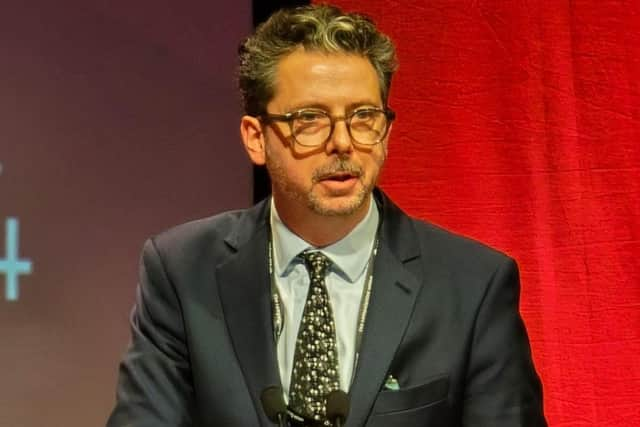
Torcuil Crichton, MP for Na h-Eileanan an Iar, and who lives with haemochromatosis, described the community screening project as “a gamechanger”, adding: “It would put the islands two decades ahead of the UK in terms of preventative health provision.
“Early identification, which I was lucky to have in treating my own haemochromatosis, means a whole range of bad health outcomes can be avoided. We hope people will lend their voices to this important campaign."
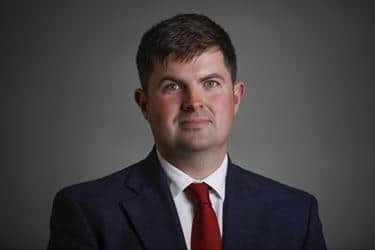
MSP for Na h-Eileanan an Iar Donald MacKinnon said: “The case for funding a Hebrides Community Screening Project is compelling. A relatively modest financial investment could deliver life-changing outcomes for individuals and families, while also generating groundbreaking research with the potential to improve understanding of inherited conditions in island communities and beyond.
“I am delighted to be backing the project and I’m excited about the impact it could have on the lives and health outcomes of islanders.”
Support for the Viking Genes Hebrides Fund can be made here.
Comments
Want to join the conversation? Please or to comment on this article.