
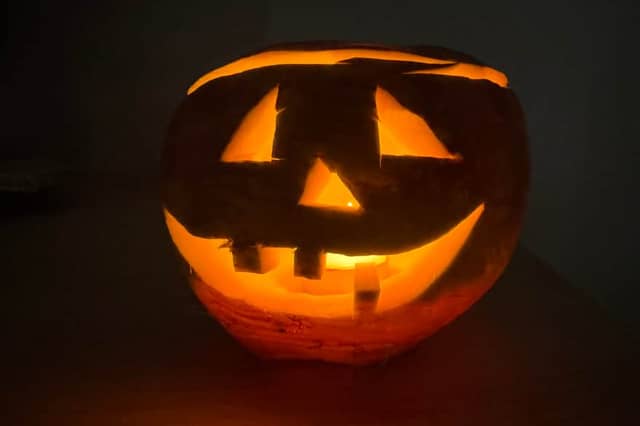


When the leaves begin changing colour and Autumn arrives, for many it means one thing is almost here: Halloween.
Celebrated on October 31 each year, the holiday is observed in many countries around the world; however, its origins began with the ancient Celtic festival of Samhain.
Many of the customs we see during modern Halloween celebrations originate from Scotland or Ireland, when the Pagan festival was said to mark the date when the barrier between the spirit world and the physical world was at its weakest. It also ushered in the beginning of winter, or the “dark half of the year”.
And while many of the traditional Celtic observations have faded from popularity with Halloween’s eventual association with Christianity, there are some – such as guising – which remain.
Here are thirteen ancient Halloween customs or concepts which demonstrate how it has been celebrated in Scotland in the past.
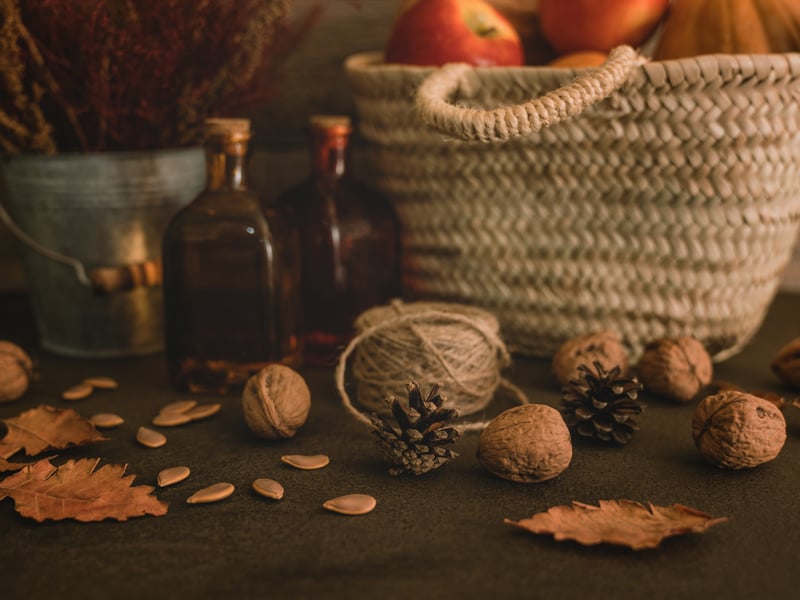
9. Gifts weren’t only for guisers
While guising and trick-or-treating are all about receiving gifts, during the days of Samhain, people would also leave offerings for spirits in the hopes of appeasing evil spirits – something which would have been a huge sacrifice at the time. | eskstock - stock.adobe.com
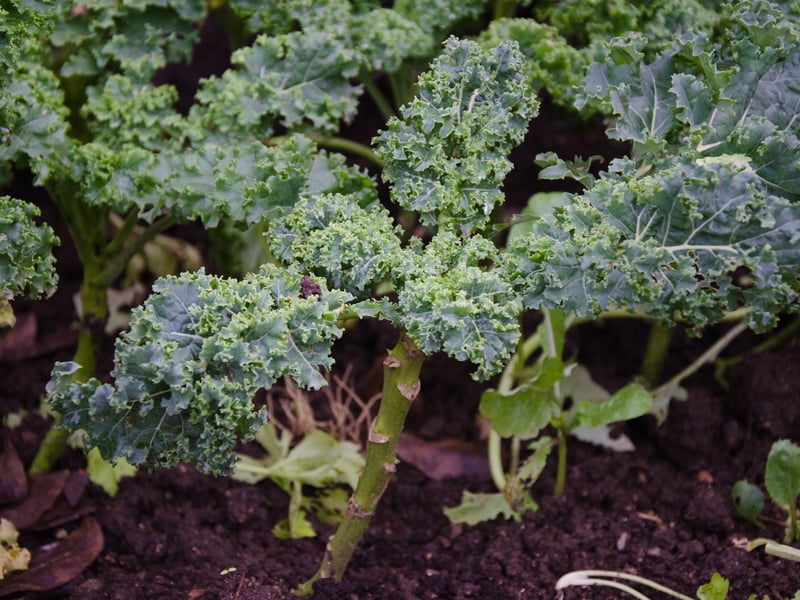
10. Cabbage stalks were used to predict the future
As well as apple dookin’ being used for fortune telling, cabbage stalks were also used to predict the future. As can be read in Robert Burns’ poem “Halloween”, young people would pull stalks of kale from the ground after dark or blindfolded to discover information about their future spouse. The size and shape of the stalk would indicate either a bright future or possible misfortune – though cabbage stalks were also said to be used in purifying houses. | Julia - stock.adobe.com
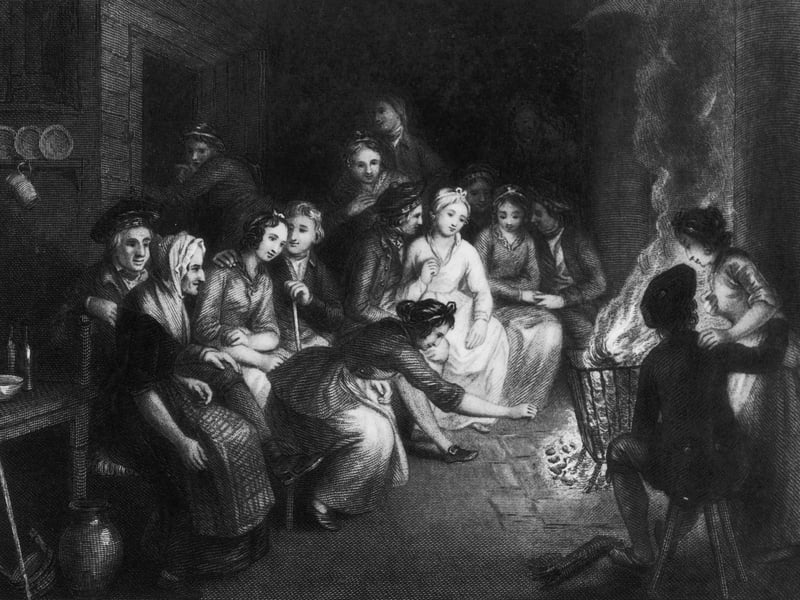
11. Halloween went on for days
Unlike present day tradition dictates, when Halloween was more commonly observed as Samhain, the festival stretched from October 31 to November. Early texts on Samhain also state that it was a “mandatory” celebration which lasted three days and three nights. | Getty Images
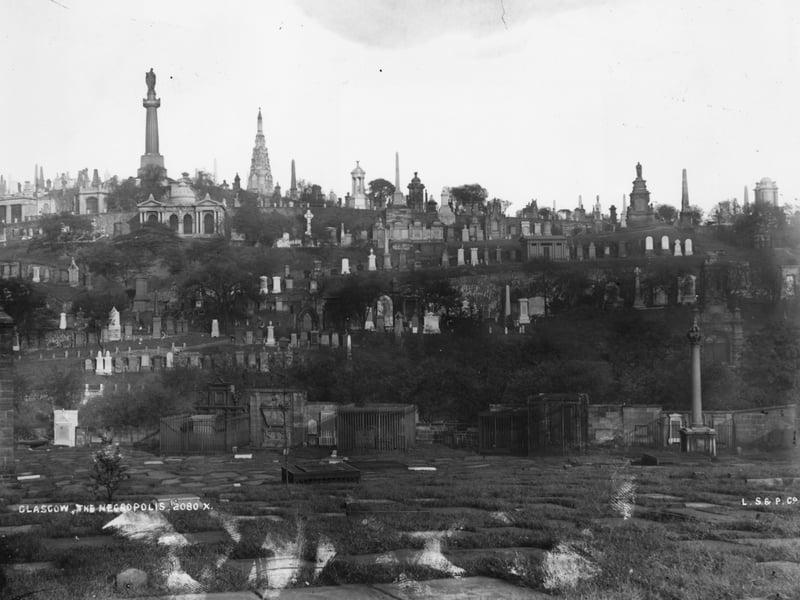
12. Halloween in Scotland marked the thinning of the barrier between our world and the spirits
Halloween is now celebrated each year on the same date: October 31. However, the Celts observed Samhain based on a number of factors to do with the cycle of nature and as such it could vary from year to year. Modern Halloween has adopted many customs from Samhain, and this includes its associations with the dead. While there may not be as strong of a belief in Halloween being the time of year in which the veil between the living and dead is at its thinnest, it is viewed by some as a day of remembering the dead and departed. | Getty Images