

The foundation stone of Edinburgh’s King’s Theatre was laid on August 18, 1906, by the philanthropist Andrew Carnegie, with a time caspsule of newspapers and coins buried underneath.
The theatre was conceived as being a rival to the wildly successful Royal Lyceum Theatre, which had been attracting huge audiences for over two decades.
It was commissioned by the Edinburgh Building Company Ltd, but financial problems meant that the owners were unable to play contractor William Stewart Cruikshank, who ultimately decided to run the theatre himself under a new King’s Theatre Company.
The first audiences were welcomed to a production of ‘Cinderella’ on December 8, 1906, and it quickly became a success hosting touring variety shows, later expanding its offerings to include drama, musicals, large scale pantomime, revues and opera.
In 1928 Cruikshank sold the King’s to Howard and Wyndham, soon to become the largest theatre production and management company in the UK, taking on the job of the group’s managing director.
Read more:
Edinburgh Old Town Heritage in Pictures: Here are 28 fascinating photos of the city's historic centre in the 1950s and 1960s - from parades to pubs
Further succcess was achieved in the 1930s with the introduction of ‘The Half Past Eight Show’, a summer variety show that had already proved a hit in Glasgow.
After an inauspicious start with empty stalls, a winning formula was established 1937 fronted by a young comic called Dave Willis, billed as 'An after dinner light revue of song, dance and laughter, also starring Cliff Harley, Florence Hunter and the Charles Ross Girls'.
It was a world of mouth sensation and by the 1940s it was running for 28 weeks, introducing audiences to the likes of Harry Gordon, Stanley Baxter, Rikki Fulton and Jimmy Logan.
Tragically, Stewart Cruikshank died in a car accident at the age of 72 in 1948, but Howard and Wyndham continued to be committed to the King’s, carrying out major refurbishments to modernise both the interior and exterior in 1950.
It was reopened temporarily for the 1951 Edinburgh International Festival, then fully threw the doors of its increased-capacity auditorium in December of the same year for a pantomime production of ‘Puss in Boots’.
The early 1960s saw the start of a tradition that continues today – with the first Edinburgh Gang Show seeing over 100 Boy Scouts take to the sage to entertain sold out audiences.
But by the end of the 60s the growing popularity of television was making theatre as a business unsustainable, so in 1969 Howard & Wyndham sold the King’s to Edinburgh City Council who were keen to secure the building’s future as a venue for the International Festival and Scottish Opera.
The council carried out major restoration works in 1985 and, since then, the theatre has been home to the city’s annual mainstream panto, as well as welcoming touring productions and hosting Edinburgh International Festival productions.
The theatre is now run by the Capital Theatres, which also manages Edinburgh’s Festival Theatre, and is coming to the end of a major refurbishment project which has been hit by delays and spiralling costs - which have risen from around £25 million to over £40 million.
It has been closed since August 2022 but will reopen this summer to host performances at this year’s Edinburgh International Festival.
Here are 29 pictures from The Scotsman archives to take you back to the King’s Theatre of the 1950s and 1960s.
Make sure you don't miss a moment of breaking news from across Scotland by signing up to our free newsletter here.
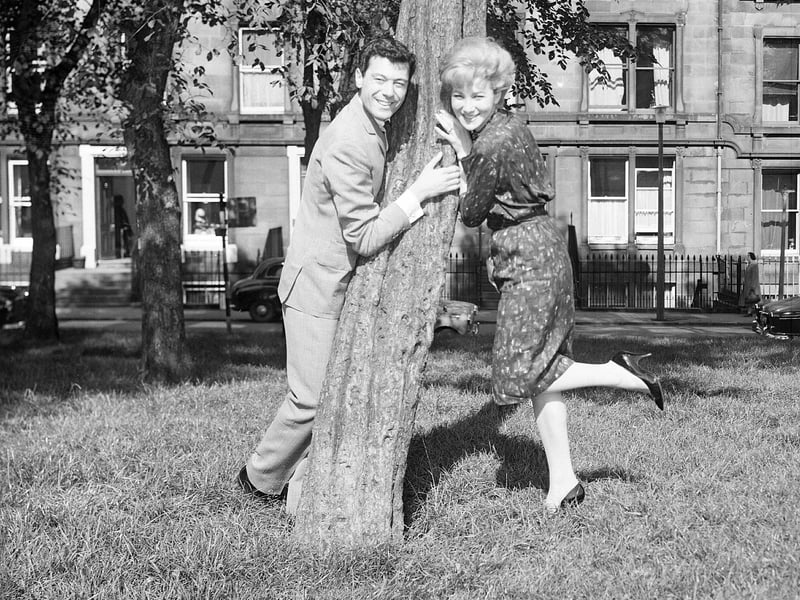
1. Dance me in
Lionel Blair with his sister Joyce, who were dancing in the show 'Another Thing' at the King's Theatre in September 1960. | TSPL
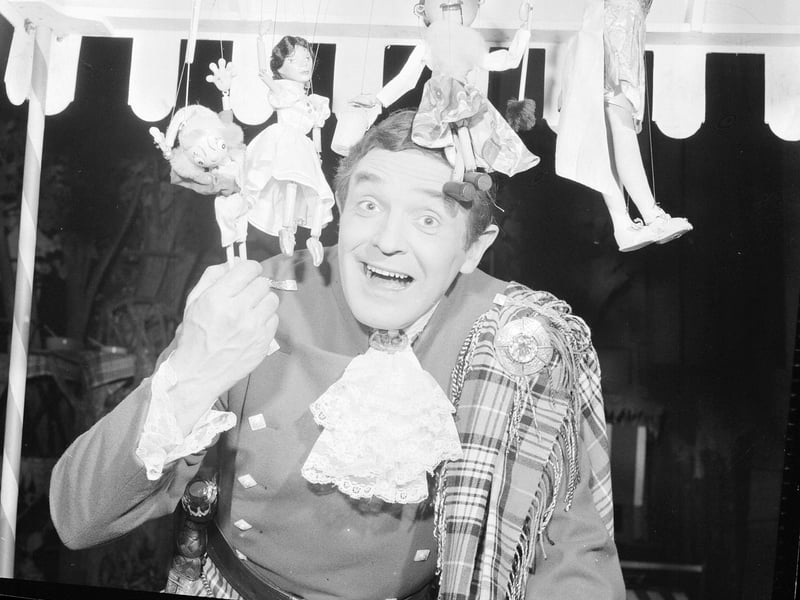
2. He's behind you
Jimmy Logan in 'Goldilocks and the Three Bears' at the Kings Theatre in December 1966. | TSPL
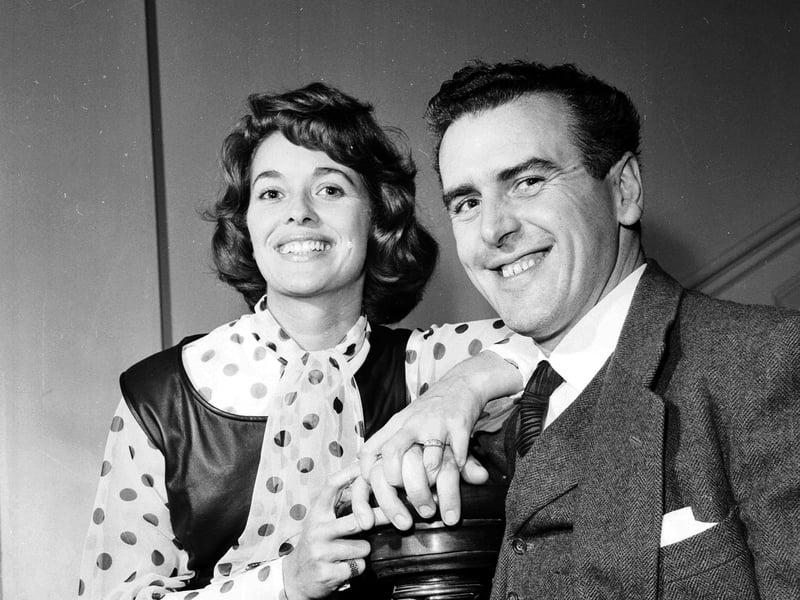
3. Say yes
George Cole and his first wife Eileen Moore at the King's Theatre for a performance of 'The Yes Yes Yes Man' in November 1963. | TSPL
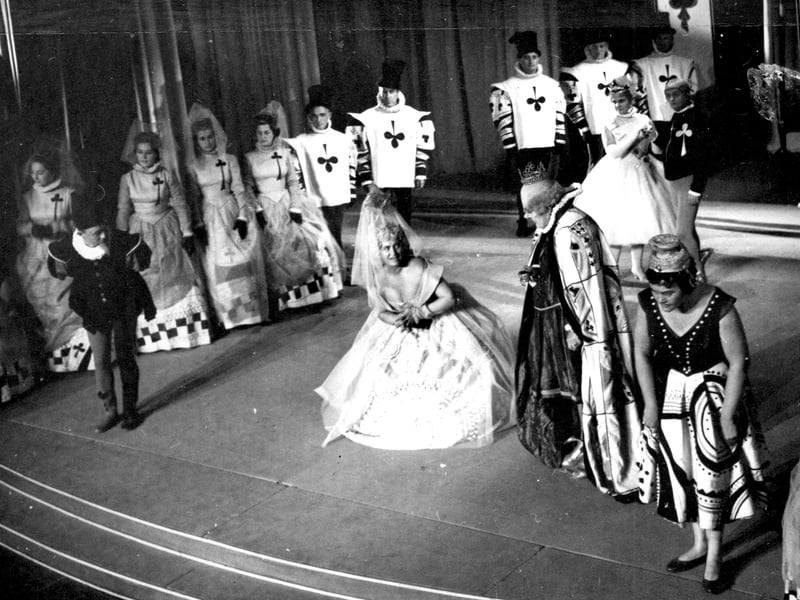
4. Putting on a show
Belgrade Opera perform 'The Love Of Three Oranges' at the King's Theatre during the Edinburgh Festival 1962. | TSPL