
The name Liberton is thought to come from a combination of the Old English words ‘hlith’ and ‘beretun’, meaning ‘barley farm on a hillside’.
Others believe it is derived from Libertun, meaning ‘leper town’, referring to a colony of lepers exiled from the city – although this theory is now broadly considered to be apocryphal.
The most important building in the former village has always been the church, with two Celtic crosses found on the site of the current Kirk showing that a place of worship existed as far back as the 9th century.
A record of a chapel at Liberton was included in the Great Charter of Holyrood of 1143, when King David I granted the building to the Abbey of Holyrood.
Read more:
Edinburgh Old Town Heritage in Pictures: Here are 28 fascinating photos of the city's historic centre in the 1950s and 1960s - from parades to pubs
Following the Reformation it became a parish church, extended in the 17th and 18th centuries, before untimately being demolished in 1814.
It was replaced a year later with the current church, designed by James Gillespie Graham.
Other notable buildings include the 15th century Liberton Tower and the A-listed 16th century fortified Liberton House.
Liberton’s most famous son is Sherlock Holmes author Arthur Conan Doyle, who was born near the Braid Burn, where the Cameron Toll Shopping Centre now stands.
The village was officially incorporated into Edinburgh in 1920 and grew in popularity as a residential area, with schools and other services quickly following.
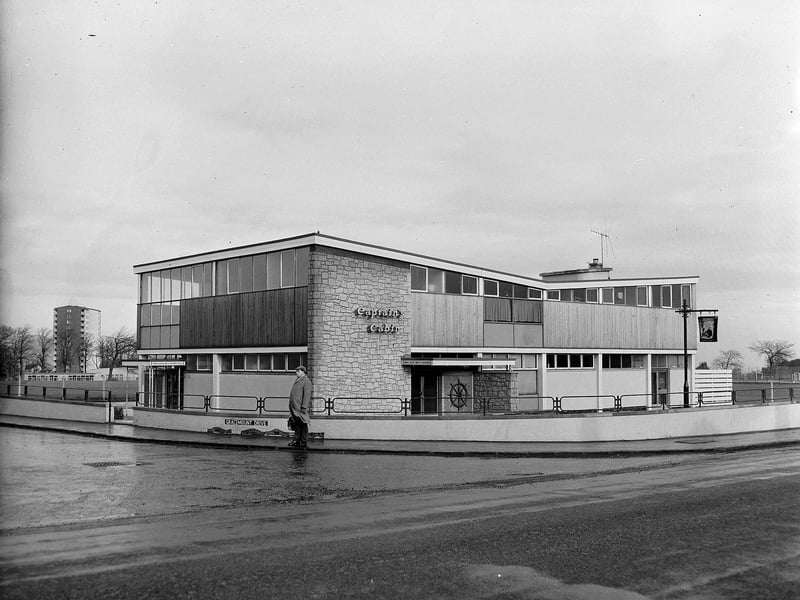
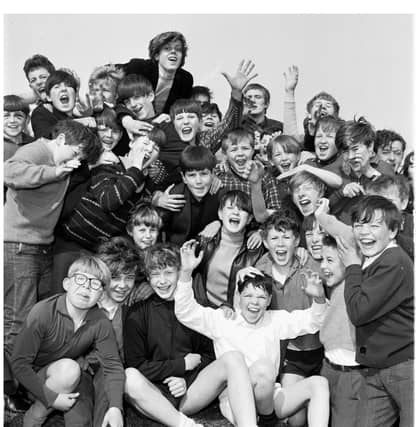
Here are 34 pictures from The Scotsman archives to take you back to the Liberton of the 1950s and 1960s.
Make sure you don't miss a moment of breaking news from across Scotland by signing up to our free newsletter here.
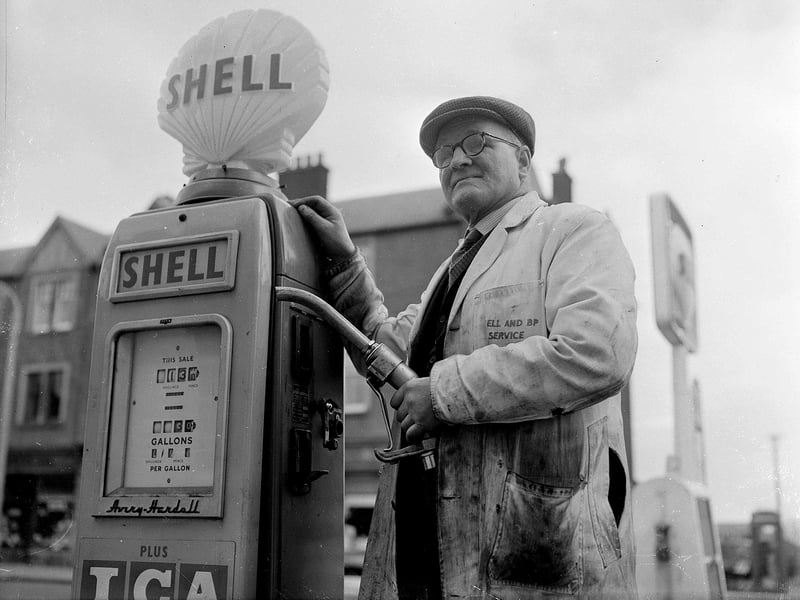
1. Fill her up
Pensioner and part-time petrol pump attendant Henry Richmond at the Shell Station on Liberton Brae in 1961. | TSPL
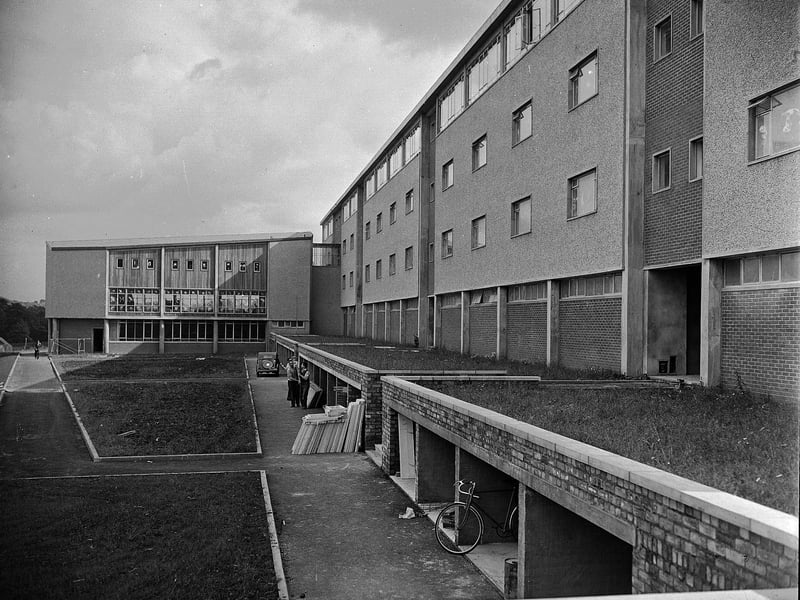
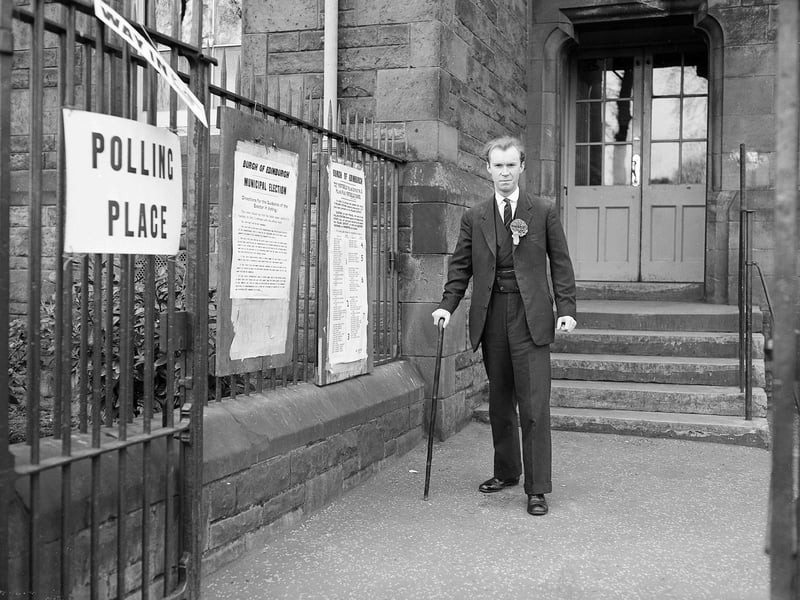
3. Up for election
Nicholas Fairbairn, the candidate in Liberton, leaves Portobello School after recording his vote in May 1960. | TSPL