


Scottish mythology tells of many supernatural creatures that roamed the land. For millennia, tales of these beasts have been preserved via storytelling, passing the legacy by word onto successive generations over centuries. Nowadays, such myths have been cemented in writing, offering a more concrete view of the tales our ancestors shared.
“Celtic” may be thought of as describing a ‘spectrum’ of cultures that share similar languages, beliefs and traditions, so you may find variants of these myths from multiple sources.
Discover more about these Scottish mythical beasts with Carl’s Lingo Kingdom (as seen above), or continue reading for 17 mythical Scottish creatures that have evoked fear in Scotland since ancient times.
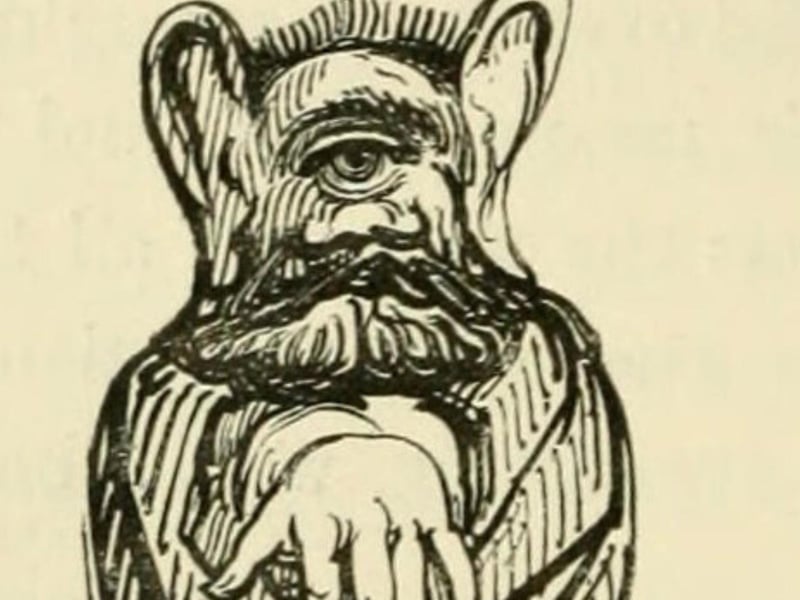
13. The Fachan (The Great Hand)
The Fachan is a giant which only possesses a single eye, one hand reaching out of its chest and one leg coming out of its torso. Legends state that the Fachan despises other life forms and will ruthlessly murder anything that gets too close to it. Despite its impractical body, it is said to be strong and be able to destroy entire farms and orchids in a single day. Its preferred weapon is a giant club which it wields against others indiscriminately. Photo: internetarchivebookimages on Flickr
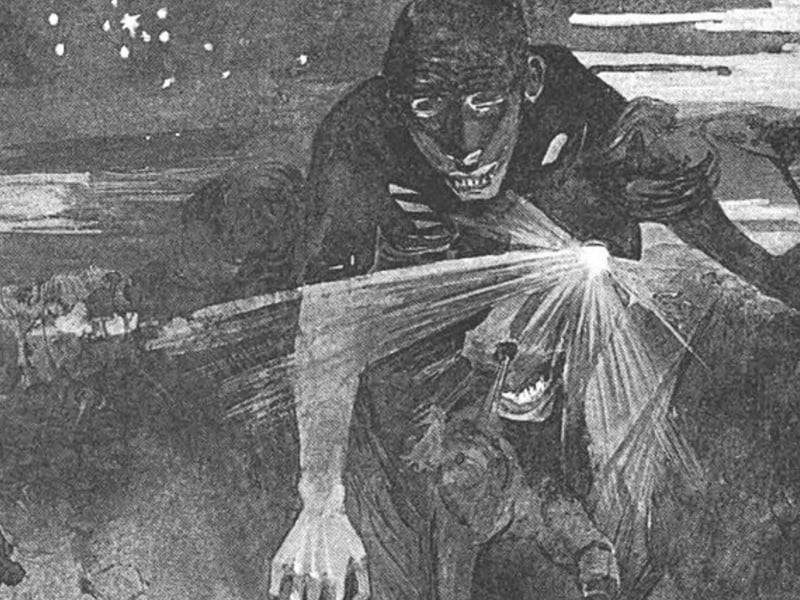
14. The Nuckelavee - Devil o' the Sea
The Nuckelavee is a horse-like demon from Orcadian mythology that is described as a "grotesque hybrid" between a human and a horse. Although some mythological Scottish creatures have a morally grey nature, this beast was said to embody sheer evil and nothing else. The Nuckelavee was blamed for many blights and other hardships befalling the people of Orkney as it was said its breath was intensely venomous and would bring disease and death to any living being which was unfortunate enough to come into contact with it. Photo: James Torrance 1859-1916 via Wikimedia Commons
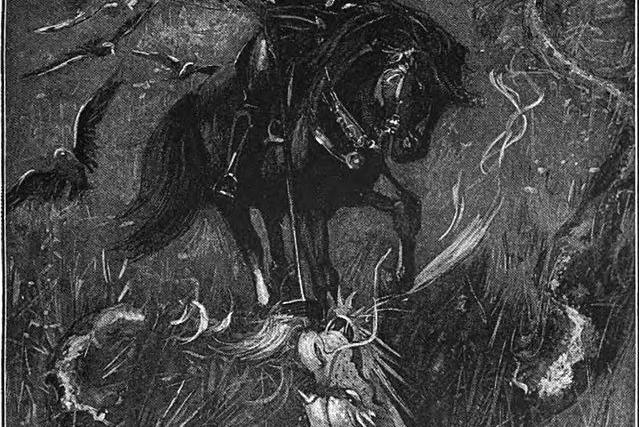
15. The Linton Worm (or “wyrm,” Old English for “serpent”)
Back in the 12th century, a “worm” (even described as a dragon by some) lived in a hollow in Linton Hill. From its lair it would roam to the nearby countryside, devour livestock and devastate the lands. This caused the area to become derelict and the locals terrorised. However, John Sommerville of Lauriston (a Scots laird) heard of the worm and investigated it for himself. After a near-death encounter with the great beast, it was he who dealt the fatal blow, securing the well-being and prosperity of the land and its people. Photo: James Torrance (1901) (via Wikimedia Commons)
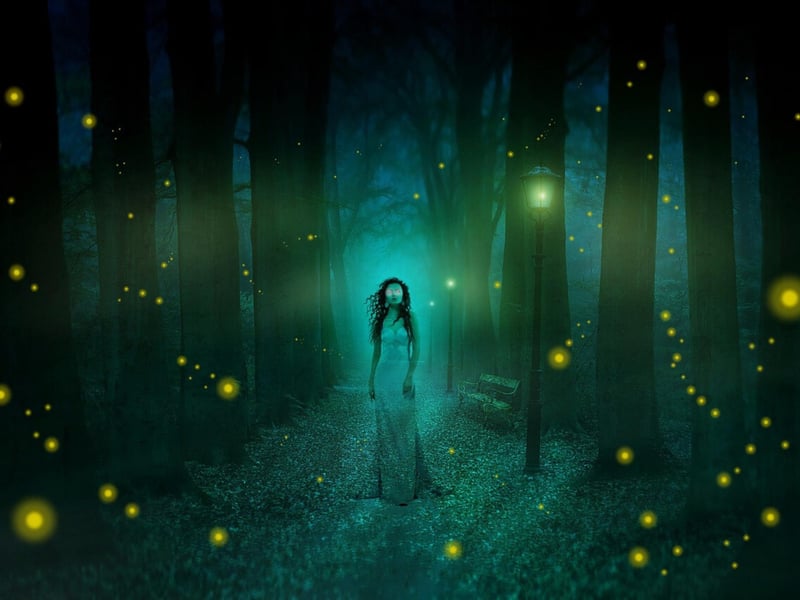
16. Glaistig the Green Maiden (Gaelic: maighdean uaine)
Known as a shape-shifting female ghost, the Glaistig is associated with many green lady myths of Scottish castles. Its nature can be violent or benign, being seen as either a beautiful lady or as a disturbing half goat half woman creature. When she’s in her half-human form she wears a long green dress to disguise her feet and legs. In some tales, she appears as a pretty young lady being asked to be carried over a stream but she then betrays the kind soul that helped her by murdering them. Photo: via Pixabay