
Unique lifeboat that saved 308 people to be safeguarded at 'nationally significant' Orkney museum

Former lifeboat station also tells story of a lifeboat disaster in 1969
Since 1874, stories of the Longhope lifeboat and the bravery of its crews have been forged in the unforgiving waters of the Pentland Firth, the North Sea and Scapa Flow.
The Longhope Lifeboat Musem in Hoy - often referered to Orkney’s ‘highest, wildest and wettest’ island which holds firm against the might of the Atlantic - is where these stories, both of triumph and disaster, are carefully held dear.
Now a £1.6 million funding lifeline will safeguard the lifeboat at the heart of them all - the RNLI Thomas McCunn -at its old station, which now serves as a museum, with a new visitor centre also to be created.
A key part of the project will be conservation of the Thomas McCunn, the UK’s only seaworthy slipway-launched vintage lifeboat, which saved 308 people on 101 launches between 1933 and 1962.
The vessel was then used by the RNLI as a relief vessel at other stations until 1972 before being sold, with its owner selling it to the museum in 2000 for £1. The lifeboat is the focal point of the museum and is still launched on special occasions.
The Longhope Lifeboat Museum also tells the story of a 1969 disaster when all eight crew of another lifeboat, TGB, died when it capsized while coming to the aid of a cargo ship in a force nine gale.
The National Lottery Heritage Fund (NLHF), which provided the grant to the museum’s trust, said the tragedy led to improvements in lifeboat design, such as self-righting, “making Longhope a site of national significance in the history of maritime rescue”.
The NLHF said its grant would preserve “the powerful human stories of courage, sacrifice and lifesaving that define Longhope’s maritime heritage”.


The grade B-listed lifeboat station, which is the only remaining slipway-launching station complete with its lifeboat, will also be restored. A lifeboat has been based at Longhope since 1874, with the station replaced with a new one in 1999.
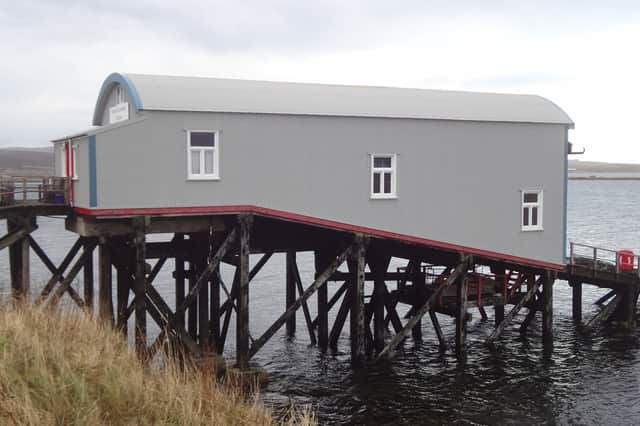
“Through oral history recording, community-led research and new interpretation, the experiences of lifeboat crews, their families and the wider island community will be documented, shared and safeguarded for future generations,” a spokesperson for NHLF said.

A statement added: “Volunteers will develop skills in collections care, conservation, archive digitisation and visitor engagement, strengthening local participation and long-term capacity at the museum.
“The investment will help create a new visitor centre which, along with improved access will help more people connect with Longhope’s nationally-significant collections and stories of remembrance, community pride and maritime rescue.”
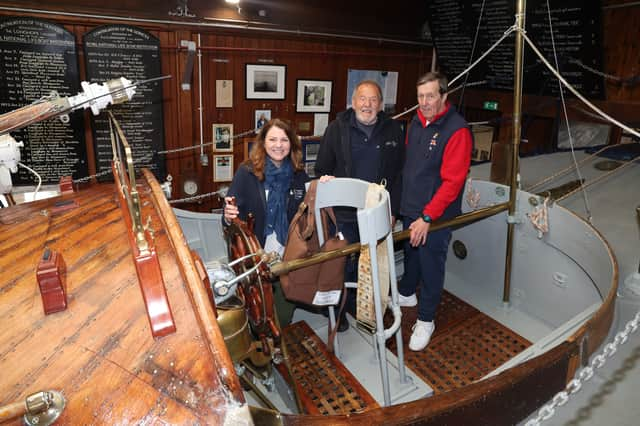
Kevin Kirkpatrick, chair of the board of trustees at Longhope Lifeboat Museum, said: “Receiving this funding is due to the incredible dedication of our team of trustees, the trust project board, project manager and the museum exhibitions officer, and the support of our island community and wider communities.”

Mr Kirkpatrick said the grant - along with match funding from other sources - “ensures the museum stays safe and open, our vintage lifeboat, collections and archives are preserved, and in the new visitor centre, the stories of our past continue to inspire our future.”
According to National Historic Ships UK, lifeboats like TGB were not designed to self-right when capsized.
Built in 1962, it had rescued 24 people in 34 launches before the disaster, in which three members of the same family were among the crew of eight who were lost.

The crew of 17 aboard the Greek freighter Irene who it was sent to rescue on March 17 1969 were saved after the ship ran aground on South Ronaldsay.
TGB was spotted overturned and drifting the next morning, with the body of one of the crew never found.
The lifeboat was salvaged and returned to service in Ireland, rescuing a further 31 people before being sold to the Scottish Maritime Museum in Irvine in the late 1980s.
Comments
Want to join the conversation? Please or to comment on this article.