
Dog Cabin Fever: Expert advises of breeds most at risk and how to keep your dog happy during winter
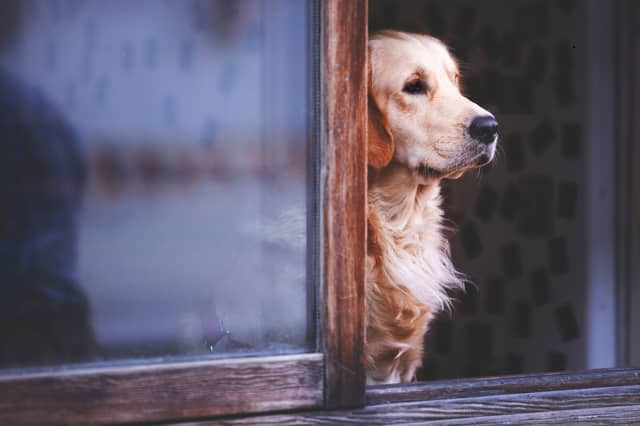

Winter can be a tough time for certain breeds of dog.
Dog owners are being encouraged to keep their dogs mentally stimulated this winter, as colder temperatures, shorter days and wet weather could leave some of the UK's most popular breeds struggling with ‘canine cabin fever’.
According to Dr Linda Simon, resident vet at Pooch & Mutt, while many owners naturally spend less time outdoors during winter, dogs still need regular opportunities to exercise, explore and use their brains.
Without enough physical activity and mental stimulation, some dogs can become bored, frustrated and restless, particularly breeds that were originally bred to work, retrieve or solve problems.
Dr Linda explained: "During the winter months, it's common for walks to become shorter or less frequent due to poor weather and darker evenings.
"While the occasional quiet day isn't usually a problem, prolonged periods of reduced activity and stimulation can leave some dogs feeling bored and frustrated. This is often referred to as 'canine cabin fever' and can lead to behavioural changes if their needs aren't being met."
Here’s what owners need to know.
What breeds are most at risk of Winter Cabin Fever?
Dr Linda advises that owners of the following breeds should be particularly aware of how their pets are feeling during winter.
Labrador Retriever
One of the UK's most popular dog breeds, Labradors are known for their love of activity, exploration and interaction.
Labradors are intelligent, energetic dogs that generally enjoy having plenty to do. If they're spending more time indoors and receiving less stimulation than usual, owners may notice behaviours such as increased attention-seeking, chewing or restlessness."
Cockapoo
Cockapoos consistently rank among Britain's favourite family pets, but their intelligence and energy levels mean they can become bored quickly.
Many Cockapoos thrive on both social interaction and mental challenges. When their routine changes significantly, some may become more vocal, excitable or struggle to settle.
Cocker Spaniel
Originally bred as working dogs, Cocker Spaniels typically enjoy being active and engaged.
Cocker Spaniels are naturally inquisitive and energetic. If they're not given enough opportunities to exercise or engage in enriching activities, owners may see unwanted behaviours emerge as they look for ways to entertain themselves.
Border Collie
Often considered one of the world's most intelligent breeds, Border Collies usually require both physical and mental stimulation.
Border Collies are problem-solvers by nature. Without opportunities to use their brain, even a relatively short period of boredom can leave them feeling frustrated.
German Shepherd
German Shepherds are highly trainable dogs that often thrive when given structure and purpose.
Many German Shepherds enjoy learning and having jobs to do. Indoor games, training exercises and enrichment activities can become especially important during periods of bad weather.
What are the signs your dog may be experiencing cabin fever?
According to Dr Linda, some common signs include:
- Restlessness or pacing
- Excessive barking
- Difficulty settling
- Increased attention-seeking
- Destructive chewing
- Digging behaviours
- Stealing household items
- Hyperactivity around the home
These behaviours aren't usually a dog being 'naughty'. They can sometimes indicate that a dog needs more opportunities for physical activity, mental stimulation or enrichment."
How to keep winter walks safe and enjoyable?
Here are Dr Linda’s top winter walk tips.
- Protect sensitive paws from freezing surfaces and de-icing salts with protective dog booties.
- Keep short-coated or cold-sensitive breeds warm by layering them in insulated coats or sweaters.
- Equip owners with headtorches to safely navigate unlit routes during shorter winter days.
- Enhance your pet's visibility during low-light conditions using LED or reflective light-up collars.
- Arrange joint walks during daylight hours to make outdoor exercise more social and motivating.
How to keep dogs happy over winter?
While owners don't necessarily need to spend hours outdoors every day, Dr Linda recommends looking for alternative ways to keep dogs occupied when the weather isn't cooperating.
Activities such as puzzle feeders, scent games, training sessions, enrichment toys and food-based challenges can all provide valuable mental stimulation.
Exercise is important, but mental stimulation matters too. Something as simple as hiding treats around the home, teaching a new trick or allowing your dog time to sniff and explore on a walk can help provide the enrichment they need. The goal isn't just to create a tired dog, but a fulfilled one.
Make sure you don't miss a moment of breaking news from across Scotland by signing up to our free newsletter here.
Comments
Want to join the conversation? Please or to comment on this article.