
‘It makes you more attune to what’s going on around you’ - Lucy Cooke on autumn foraging in Scotland
Lucy Cooke, known as the wild cook, has returned to our screens on BBC Alba’s Rùrachd programme. She talks to Rosalind Erskine about autumn’s abundance, foraging on the west coast and how we can look to the past to shape our future food choices.
Autumn is well and truly upon us and with it comes the bounty of wild food. Brambles, apples, mushrooms, seaweeds and wild spices are just a few that Lucy Cooke lists as produce she’s currently foraging, now that filming for her BBC Alba show is done.
Rùrachd, available now on BBC iPlayer, is on to its second series and sees Mary Ann Kennedy and Lucy go in search of nature’s bounty all over the UK. This series shot in Shropshire, where Lucy is from, Easdale, Argyll, Lochaber, Cairngorms and Galloway where the duo visit Lucy’s mentor, Mark Williams.
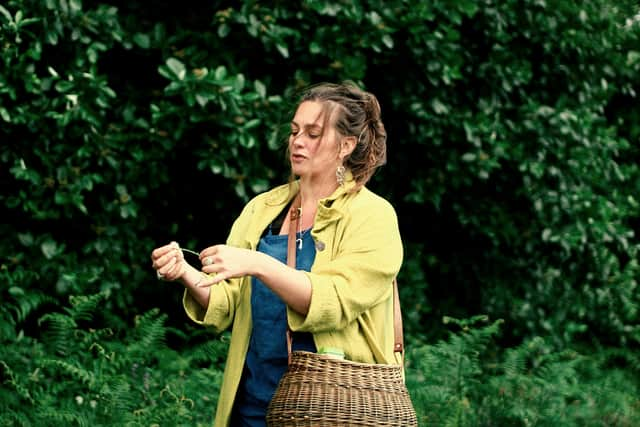

While known for her guided foraging walks, often held in collaboration with The Pierhouse in Port Appin, as well as bookable for bespoke and private events, Lucy cites her rural upbringing as the start of her love of wild food. “Growing up in Shropshire, it was very rural and we’d pick the standard things like blackberries, hazelnuts and stuff like that so it’s always been there.
“I studied anthropology and archaeology so I was interested in how culture works, as well as heritage and history. I’ve always worked in the food industry - including running a farmers’ market, deli and in the Botanic Gardens in Edinburgh - so I discovered that foraging was something I could teach when I knew enough about it.”
A move to Edinburgh for University in the early noughties introduced Lucy to the right to roam and the wonderful landscapes we enjoy which “played a really big part” in her business now, which is based on the remote peninsula of Ardnamurchan in the Highlands. Lucy is also a member of the Association of Foragers.
For keen foragers out and about this month, Lucy says to keep an eye out for wild spices, seeds, roots, fruits, nuts and fungi along with some seaweeds which are improving having been off the menu for the summer. But she warns that, despite the good summer weather, the season, especially on the west coast of Scotland, can be quite short.
The success of the BBC show, and Lucy’s walks and classes, are part of a wider trend in consumers wanting to know where their food comes from, as well as getting back to nature and away from technology. Lucy said of this: “There are lots of reasons why (people are seeking out things like foraging). There’s the cost of living but also I think, in the post covid era, people are looking at what’s important to them as well as the health and wellbeing benefits.
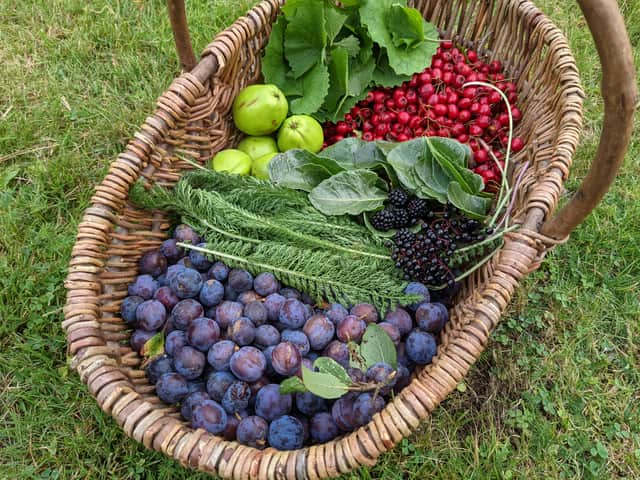
“I hope people are starting to look at our food system a bit more intently. People want to know where stuff comes from and who grew it. I get a lot of wonderful people who are trying to be more aware and self resilient.”
The mindfulness of getting outside and foraging also leads to an appreciation of the seasons, Lucy said: “What is amazing is that you are so aligned seasonally, when this becomes part of your day to day life. You notice the changing of the seasons; it makes you more attune to what’s going on around you.”
As for her favourite foraged things to cook with in this season of plenty, she said: “There are a couple of fungi that are my favourites, including hen of the woods which is a different species to chicken of the woods. It’s a really nutty fungus that even in a very traditional Italian risotto is absolutely amazing. Stroganoff is really nice too with all the mushrooms and maybe venison too.”

As well as preparing for a seaweed workshop at Oban’s winter festival, Lucy has started working with Kilmartin Museum on ancient foods, prehistory and where foods have evolved from. She said this work gives a sense of perspective: “Looking back is interesting in the scope of our modern food systems. There’s a great quote that says there’s 4,000 types of potato worldwide but how many can you get in the supermarket? About four. It really helps you remember what’s important and, looking back and talking to people about things that happened four, six thousand years ago really puts things into perspective.”
Find out more about Lucy and her work at her website www.thewildecook.com
What to pick this autumn
Hawthorn berries
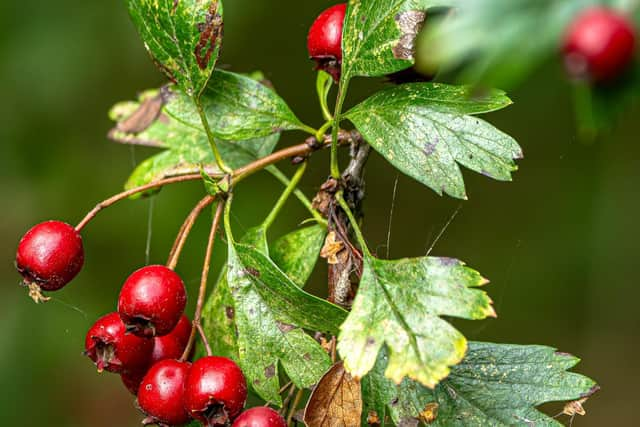
Hawthorn is a common hedging plant with red berries that look like miniature apples with a stalk at one end and a tiny star on the other. Soak them in gin with a little brown sugar for 3-4 weeks until the colour completely leaves the berries, then strain off the coloured gin, bottle it and keep it for at least three months before drinking. Just pick them before your local council or farmer savages the hedge with a mechanical cutter for the sake of ‘tidiness’.
Sea buckthorn
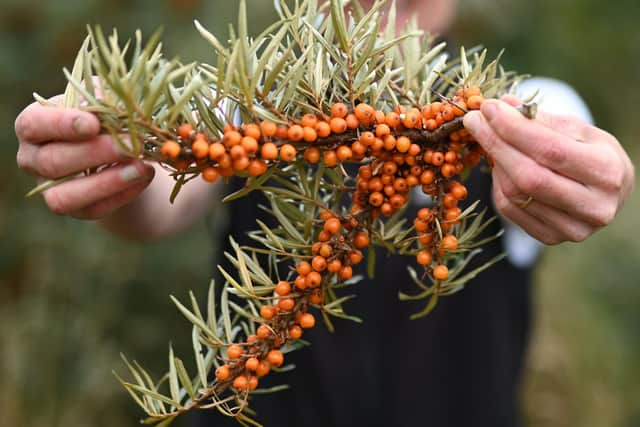
Down at the coast there are still the bright orange berries of sea buckthorn full of a juice that is too tart to take raw, but diluted with a little sugar makes an excellent vitamin-rich drink or ingredient for cheesecake or toffees.
Rose hips

The hedgerows often still have rose hips for jelly or rose hip syrup to drizzle over your morning porridge. During the Second World War children were actually paid to collect them and deliver them to their teachers as a government drive to make a vitamin-C rich drink to keep the population healthy. "
Scurvy grass

This is a winter vegetable found along the coasts. It is traditionally eaten to provide vitamin C in the winter, and has a punchy wasabi-like flavour.
Crab apples
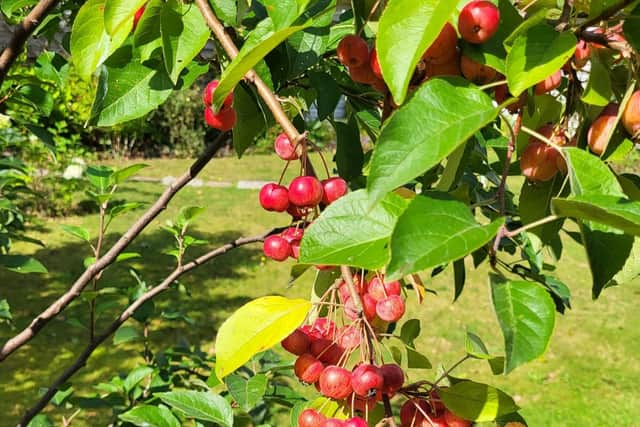
These tiny crab apples that make the best ever country wine. Cooked with wild berries such as rowan, they provide natural pectin to help jams and jellies set firm.
The easy to identify chanterelle, and edible mushroom has had a particularly abundant year in Scotland this year.
Comments
Want to join the conversation? Please or to comment on this article.