
‘It is about people before profit’ - The story of Vanillaism and the Scottish private chef to the stars that founded it
A career serving the super rich has led a Scottish private chef to found a social enterprise that gives back to Indonesian farmers.
If David Buchanan hadn’t made it as a chef, he’d have, it seems, made an excellent therapist or life coach. Known as the Kilted Chef, he worked in the military before embarking on a career amongst the uber wealthy and famous as a private chef cooking on board super yachts and in palaces.
He has worked for Paul Allen, co-founder of Microsoft, internet pioneer Addison Fischer, Qatari royalty and actor Will Smith, but the fame and status has never fazed him. “I think I’ve worked for 29 millionaires and one trillionaire so working for these types of people is pretty standard for me. In Hollywood it’s called being in the circle. I’ve always been in the circle not because I wanted to be but because I didn’t really care about any of that sort of celebrity thing,” he said.
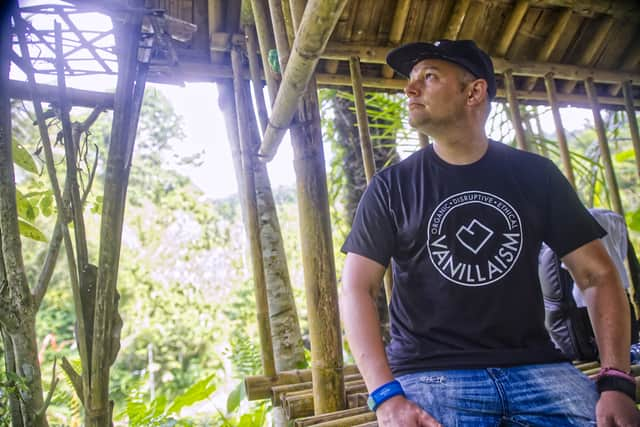

“Less than 50 percent of the job as a private chef is cooking. It's being able to deal with these rich, very often unhappy frustrated people. It’s a phenomenal skillset that I’ve been perfecting for more than 20 years.”
It’s this laid back attitude, which often veers into the philosophical - he spent a lot of time with Will Smith talking about life, legacy and even inspired some of Will’s YouTube channel content, he said - that made him an ideal private chef, but also meant he was right at home in Indonesia, specifically Bali. “It’s critical in Indonesian culture you give not to get, that's not the nature of giving. Don't waste good energy chasing bad energy or bad people. It’s a really important part of a belief system,” he said.
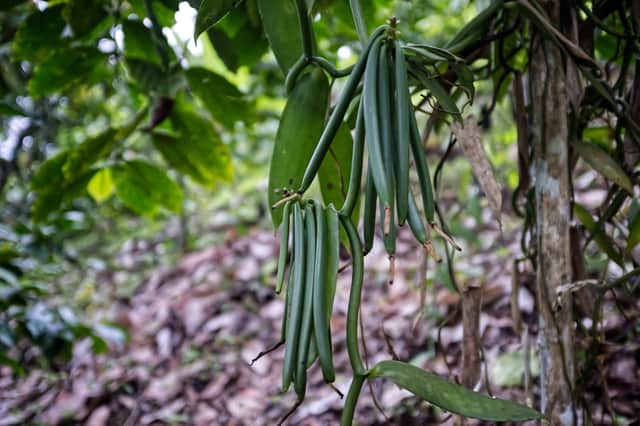
Now based in Wick, running Blackstairs Highlandwear, David is nine years into his journey as founder of Vanillaism, a social enterprise based in Bali that exports high quality vanilla, coffee and spices. He’s also still a “gun for hire” for anyone looking for a private chef.
It was the juxtaposition of serving the super wealthy, and seeing the happiness in abject poverty that caused David to re-evaluate his trajectory, which all started with a chance trip to Bali when he was working on super yacht Ocean Victory.
“I spent some time, dressed in my kilt, and got really great vibes. Then two years after that I got the chance to go back and ever since then I’ve not been to any new countries as Bali has my heart.”
The return was in 2018, as David explained: “One of my business partners asked me to come to Bali to explain to people that chefs like me want to buy vanilla and convince locals that there is a market, and I agreed. I turned up in east Bali, I planted my first vanilla vine and the aim back then was to send a local farmer’s kids to school. A lot of kids, especially in the rural parts of Bali, don’t get education beyond seven or eight.
“When I planted that first vanilla vine in the foothills of mount Agung, I genuinely felt a strange energy come out of the ground come up and out through me. It’s hard to explain; I’m not religious nor am I particularly spiritual but I believe that we are energetic beings in that you get what you give and the body is in a constant state trying to find a positive, restful level. I used to talk to Will Smith about this a lot.”
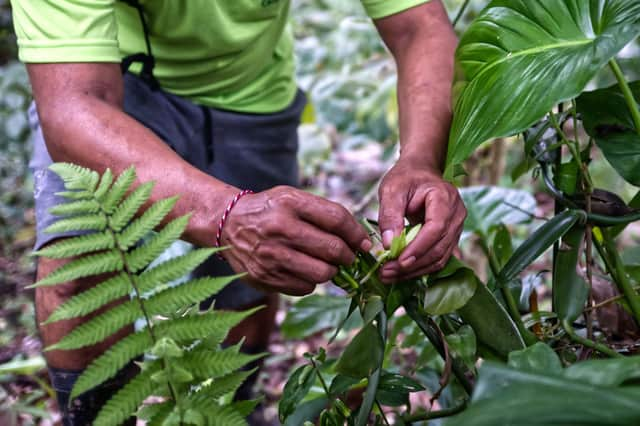
What started as a request to enlighten chefs to this vanilla led to David founding Vanillaism, and in its nine years, the social enterprise has sent more than 100 children to school, as well as supplying some of Scotland’s best restaurants and chefs with vanilla, spices, cacao and coffee. “I believe I get more out of Vanillaism and helping people,” he said.
“I’m not the first wealthy white westerner to turn up there and promise ‘best Asda price’ and all the rest of it. I am the only one who keeps going back again and again, and that’s what builds trust and relationships with these kinds of people where they don’t have education.”
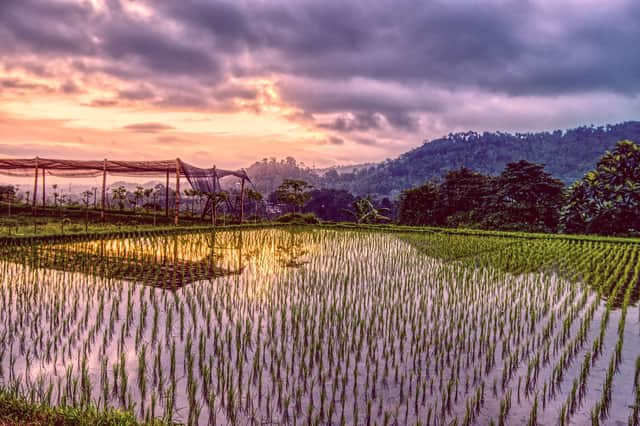
David explained how the planting of these commodities is helping deforested land which would have otherwise been abandoned. He said: “There are lots of these little pockets of land that are owned or operated by the Indonesian government and they don’t have the agro ecology knowledge to return this land to being fertile again. If you take land that’s not fertile and slash it down and burn it, it will return to that same biodiversity in about 25 years.
“But if you introduce the vanilla vines and plant things like cashews, nutmeg, mace, cloves, coffee, cacao, bananas - we do about 15 commodity crops - it will return to that same biodiversity in about five years.
“At Vanillaism we provide a bit of funding, but mostly education for farmers. What started with Wayan, the local farmer, and his two kids thinking we would produce 10 or 20 kilos of pods a year and hand them out to some chef pals and have a bit of chat about it, has gotten massively out of hand.
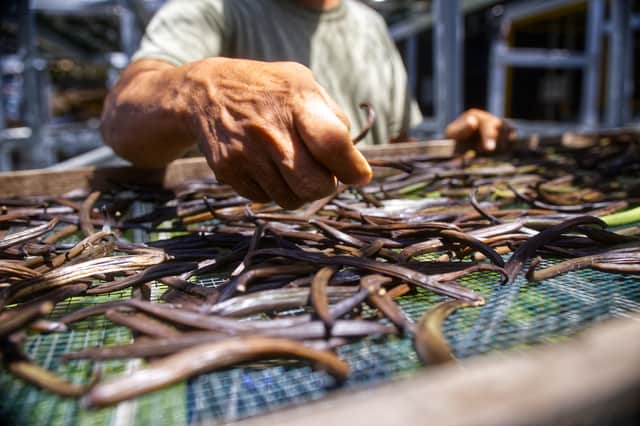
“We’re now doing tens of tonnes annually, we’re in our third factory since we first started and between now and next April we will process about 100 tonnes of cacao as well. We take a little bit of environmental catastrophe, add a bit of knowledge and learning, add a lot of labour and we then produce these commodity crops. We also try to add value to the product because it doesn’t matter what the final retail price is for the pods, the guy who produces them gets next to nothing extra for his best ones.”
Instead of cosmetic grade vanilla that has been blended, mixed and traded multiple times, Vanillaism is “doing the artisan, single origin, chocolate bar type idea but with vanilla pods. We don’t blend our beans, they all come from individual geography,” said David. “I’ve stuck my 30 year career behind the fact that if I tell you it’s quality, it’s quality and if you want to go and ratify the supply chain, you can.”
As for the ‘ism’ part of Vanillaism, this is “Activism through tourism”, said David, and it’s something the team are working on for their tenth year.
He explained: “When we came to market we wanted to honestly openly show what we do and how we do it, which is through collaboration. We’re the only company that produces vanilla pods and essential oils from rainforest that you can come and visit and inspect all parts of the process and see the end results.” Experiential tourism such as staying in the rainforest and drinking coffee that you’ve seen, picked and roasted is part of the plan.
For now Vanillaism products are used across Scotland in bakeries and chocolatiers and by chefs such as Pam at Inver, The Palmerston, all the Contini restaurants, Eorna and by Chloe Oswald, owner of Chocolatia. David hopes training and learning will help chefs, and consumers, rethink vanilla, spices and the exotic products they use.
“It’s all about people and the planet before profit. Any money we’ve ever made we’ve reinvested back and it’s why we have over 100 employees and have sent all these kids to school and don’t have any debt. We believe in the universe and the universe looking out for us. There are plenty of people out there who will make a lot of money out of growing vanilla but we don’t do that,” David said. This philanthropic view is because, he said: “I can categorically guarantee that money does not bring you happiness.”
From super yachts and Will Smith’s mansion to cooking for Americans and serving excellent coffee and sweet treats, David Buchanan has lived a life, which is now geared towards helping others through good food and good quality produce.
Comments
Want to join the conversation? Please or to comment on this article.