
First Iron Age broch to be built in 2,000 years aims to become 'must-see' Scottish tourist attraction

The project is teaming up with the Flow Country UNESCO World Heritage Site to transform Caithness’ tourism offering
A project to build the first replica of an Iron Age stone structure dating back 2,000 years has moved one step closer to becoming a major new attraction in the north of Scotland.
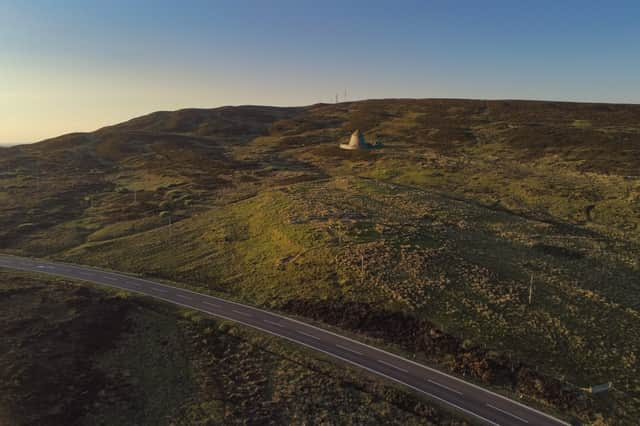
Earlier this year, a volunteer-run charity submitted plans to recreate a prehistoric broch, a huge stone-built circular tower unique to Scotland, at a site just off the main A9 road on the eastern coast of Caithness.
Now, the Caithness Broch Project has teamed up with a nearby Unesco World Heritage Site and the University of the Highlands and Islands (UHI) to transform the site into a major centre for both research and visitors.
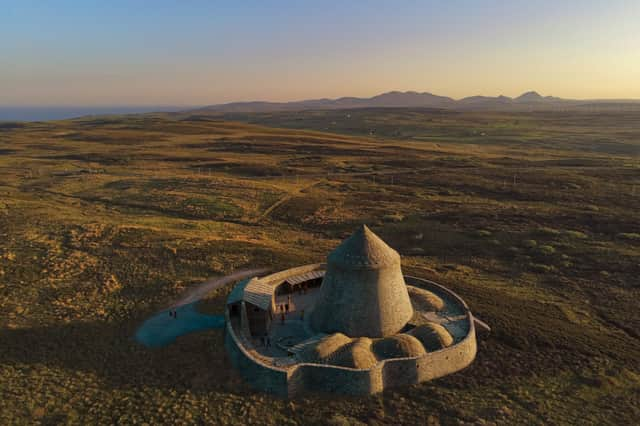

Brochs, built between 400BC and 100AD, are the tallest prehistoric structures found in the British Isles. With more brochs in Caithness than anywhere else in Scotland, the structures form an important part of the county’s heritage.
As part of the new collaboration, the broch replica could become the official eastern gateway for visitors to the Flow Country - a vast expanse of blanket bog that stretches across Caithness and last year became a recognised World Heritage Site.
Pete MacRae, the charity’s chairman, said the project aims to become a “must-see” tourist attraction in decades to come, and support the regeneration of Scotland’s north-eastern tip in the wake of population and economic challenges.
“Caithness is dealing with the slow decommissioning of Dounreay, which was a major employer in the county for the best part of 50 years,” said Mr MacRae.
“It’s still providing a significant amount of employment in the decommissioning phase. But Caithness needs to look to the future and provide sustainable and prosperous work for the people who live there, and attract others to come.”

Tourism is a key strand of the county’s regeneration efforts. Caithness forms the north-eastern part of the North Coast 500 (NC500) route, which attracts thousands of road-trippers every year. The popular John o' Groats Trail also aims to develop the local tourism economy.
“We want to fit into that regeneration strategy, but to create more opportunities for slow tourism,” Mr MacRae said. “That means we want people to come, and have enough reasons to stay because there’s lots to see.
“At the moment, the eastern part of the county doesn’t have much in the way of tourist spots, and lots of people on the NC500 route bypass it. We want to give them a reason to stop here and spend a bit more time.”
Mr MacRae said the project received “tremendous support” from local people during a community consultation prior to submitting its planning application to Highland Council in January.
Since launching a crowdfunder last week to help purchase the plot from the landowner, a keen supporter of the project, the charity said it broke its target not once, but twice in less than 48 hours.
Mr MacRae said: “The response from the public has been phenomenal. We knew our plan had popular support, but the speed and generosity of public donations has surprised even us.”
Despite brochs being one of the most intensely studied buildings in Scottish archaeology, they remain one of the most enigmatic.
The charity hopes the building process will uncover new insights about how a fully-constructed broch would have looked, and plans to use the tools and techniques of their Iron Age ancestors to understand more about the construction process itself.
Mr MacRae said the chosen site near the village of Latheron also presented the opportunity to tell the history of the surrounding landscape and its inhabitants - from its nearby Clearance ruins and farming history to the renewable energy revolution.
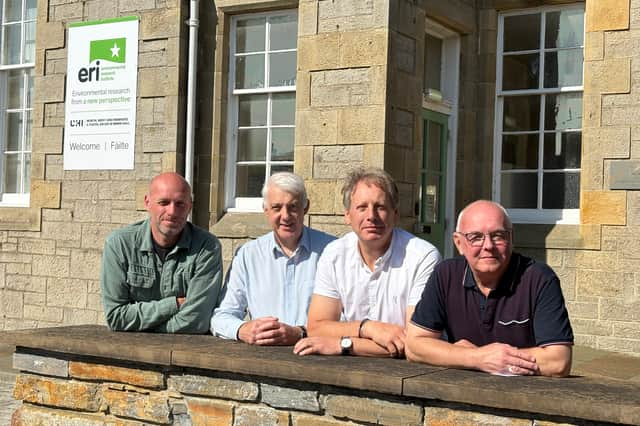
Graham Neville, the chairman of the Flow Country Partnership, said: “This is an excellent opportunity for the Flow Country World Heritage site’s globally important blanket bog to be interpreted and showcased alongside the incredible cultural heritage, traditions and history, which strengthen deep connections between the land and the people.”
Professor Stuart Gibb, director of the UHI’s Environmental Research Institute, said: “We aim to ensure that our work has tangible value to society and I’m confident this collaboration will help UHI’s mission of having a transformational impact on the region’s economy, people and communities.”
Comments
Want to join the conversation? Please or to comment on this article.