
'Catastrophic': Fears Berwick Bank wind farm will 'catapult seabird species towards extinction'
Campaigners have issued a warning the world’s largest wind farm could “catapult some of Scotland’s most-loved seabird species towards extinction”.

SNP ministers have been accused of allowing “catastrophic” harm to Scotland’s globally important seabirds amid accusations the Scottish Government has approved the world’s largest offshore wind farm “at the expense of the very nature and habitats this effort is supposed to help save”.
Campaigners hit out at the Scottish Government after approving the Berwick Bank wind farm despite widespread concerns it will “catapult some of Scotland’s most-loved seabird species towards extinction”.
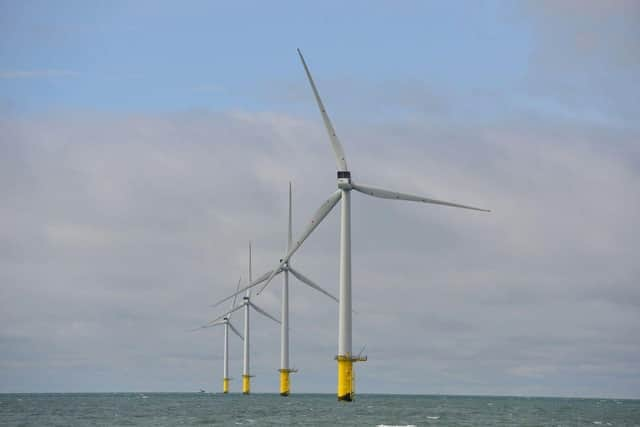

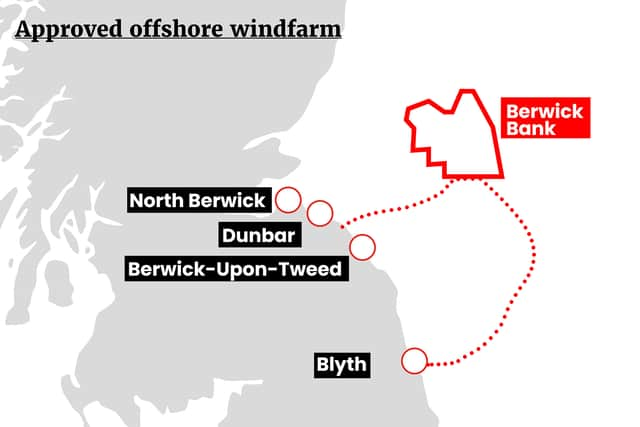
The Berwick Bank wind farm, located about 24 miles from the Scottish coast in East Lothian, will have an estimated capacity of 4.1GW, which could generate enough electricity each year to power every household in Scotland twice over.
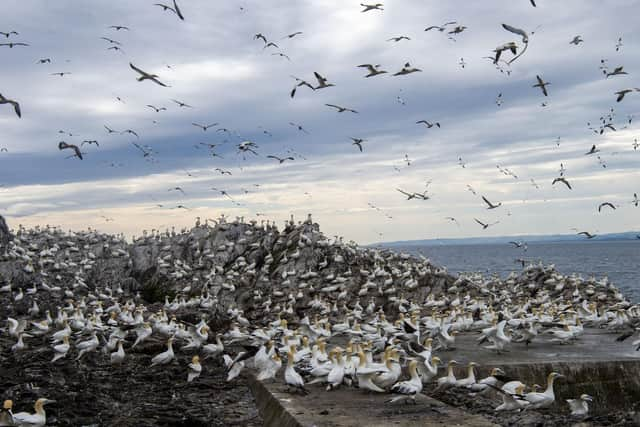
If fully delivered, Berwick Bank would become the world’s largest offshore wind farm. It would stand about 20 miles from the globally recognised seabird colonies of St Abb’s and Bass Rock, the latter being internationally known for its famous gannet colony.
£8bn boost to the economy
Up to 307 turbines could be constructed across an area four times the size of Edinburgh. The developers, SSE Renewables, stressed the project had the potential to inject around £8 billion into the UK economy and create more than 9,000 jobs.
But widespread concerns were previously raised after SSE Renewables warned that more than 30,000 bird collisions could take place over the 35-year lifespan of the project.
The key renewables project being handed consent from SNP ministers has been welcomed by the Labour government, with Energy Secretary Ed Miliband stressing the project puts the UK “within touching distance of our offshore wind targets to deliver clean power by 2030”.
Consent for the construction and operation of the wind farm is subject to SSE Renewables producing a detailed sea bird compensation plan outlining how adverse impacts on seabirds will be compensated for - which will need to be approved by SNP ministers.
Conservationists have highlighted the irony of a key project to tackle the climate crisis being poised to cause damage to wildlife.
‘Major improvement’ to protect birds needed
The National Trust for Scotland’s interim director of conservation and policy, Diarmid Hearns, said the decision to approve Berwick Ban was “deeply disappointing”.
He said: “More than that, we fear it will also be the cause of significant harm to the seabird colonies of St Abb’s Head National Nature Reserve and elsewhere on the coastline.
"As we observed in our submission, the proposed mitigations by the developers fell far short of alleviating the expected impacts in terms of fatalities and disruption. Indeed, the Scottish Government’s own chief scientific advisor marine and a review panel drawn from the Scottish Science Advisory Council came to the same conclusion.”
Mr Hearns said the seabird plan “needs to be a major improvement on what is currently proposed”.
He said: "At the National Trust for Scotland, we are supportive of the drive towards renewable energy, but not at the expense of the very nature and habitats this effort is supposed to help save in the face of climate change.
Scotland’s nature reputation at risk
"This is not a good decision for nature and further erodes Scotland’s reputation as a nation that cares for its environment and recognises its importance to our collective future."
Prior to the consent being approved by SNP ministers, charities including RSPB Scotland wrote to First Minister John Swinney to voice their concerns.
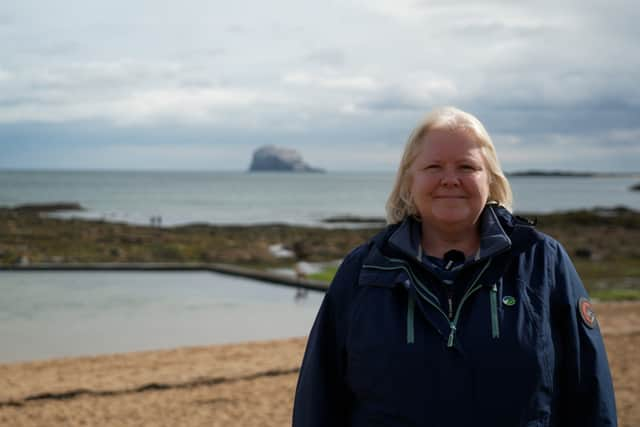
Anne McCall, director of RSPB Scotland, said the approval marked “a very dark day for seabirds”, adding it was “a terrible decision on a really bad development”.
She said: “Berwick Bank would be catastrophic for Scotland’s globally important seabirds, which are already facing alarming declines.
“In addition, its impacts are so damaging they will make the relative impacts of other wind farms significantly higher. This one wind farm is going to make it really challenging to accelerate renewable projects across Scottish seas.
READ MORE: Acorn carbon capture: Crunch talks as Scotland wind farm chiefs poised to wrestle over seabed
“We are incredibly concerned that Scottish Government have granted consent for a project which could catapult some of Scotland’s most-loved seabird species towards extinction.”
Ms McCall stressed RSPB Scotland “recognises climate change is one of the biggest threats to seabirds”, but warned “there needs to be seabirds left to save”.
She said: “This is predicted to be one of the most damaging wind farms for birds we are aware of anywhere on the planet.”
Deputy First Minister Kate Forbes said Scottish ministers “have given the Berwick Bank wind farm application extremely careful consideration”.

She said: “The decision to grant consent to Berwick Bank is a major step in Scotland’s progress towards achieving net zero and tackling the climate crisis, as well as supporting national energy security and growing our green economy.
“It is also an important decision for Scotland’s renewables sector, and this investment will be further built upon through the delivery of Scotland’s significant future pipeline of offshore wind projects under the ScotWind and the Innovation and Targeted Oil and Gas (INTOG) leasing rounds.
UK within ‘touching distance’ of clean power 2030 ambition
“We will continue to work closely with the developer and key stakeholders, including those working in fishing and conservation – to minimise the impact of the development on the marine environment and other marine users – and balance the needs of people and nature.”
Mr Miliband also backed the consent for Berwick Bank.

He said: “We welcome this decision, which puts us within touching distance of our offshore wind targets to deliver clean power by 2030 – boosting our mission to make Britain a clean energy superpower.
“We need to take back control of our energy and more offshore wind getting the green light marks a huge step forward in Britain’s energy security and getting bills down for good.”
Russell Borthwick, the chief executive of Aberdeen & Grampian Chamber of Commerce, welcomed the consent, but called for lessons to be learned from the application awaiting approval for more than two years.
Concerns over consent delays
He said: “Projects of this scale are essential to a successful energy transition – decarbonising our energy system while reindustrialising our economy.
READ MORE: One of world's biggest wind farms with 307 turbines approved near Edinburgh by SNP ministers
“Businesses in the north east of Scotland – our ports, service companies and firms pivoting from oil and gas to renewables – stand ready to help in driving major projects like these forward.
“That said, we hope the Scottish Government has learnt lessons from Berwick Bank. If we want to accelerate the transition, we cannot have projects sitting on the ministers’ desks awaiting consent for well over two years. Resources need to be beefed up and decisions must be made more swiftly.”
Stephen Wheeler, managing director of SSE Renewables, said: “The Scottish Government’s decision to grant a consent order for Berwick Bank offshore wind farm is hugely welcome.
“At over 4GW of potential capacity, Berwick Bank can play a pivotal role in meeting the mission of clean power 2030 for the UK and achieving Scotland’s decarbonisation and climate action goals.
“Berwick Bank has the potential to rapidly scale-up Scotland’s operational renewable energy capacity and can accelerate the delivery of home-grown, affordable and secure clean energy to UK consumers from Scottish offshore wind, helping meet the UK’s clean power ambition by 2030.”
Comments
Want to join the conversation? Please or to comment on this article.