
COP26: The scientists who spent a year drifting on an Arctic ice pack, enduring months of darkness, fierce weather and danger from polar bears
Imagine camping for a year on a sheet of sea ice as it drifts thousands of kilometres across one of the most remote and inhospitable places on the planet, spending months in total darkness, battered by fierce winds and freezing temperatures and at constant risk from polar bear attack and cracks opening up in the frozen ground.
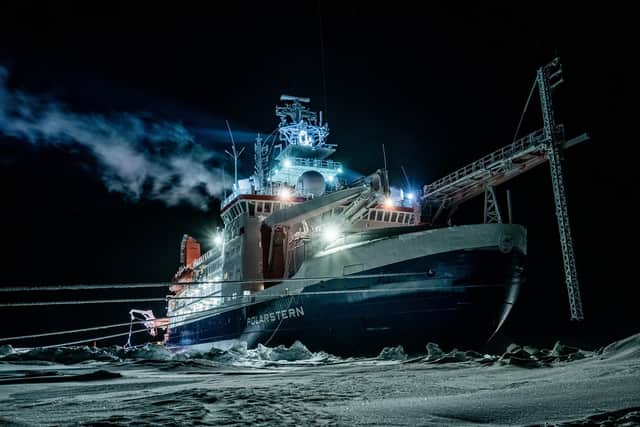
That was life for a team of international researchers who took part in Mosaic, the biggest ever scientific investigation into the Arctic environment and how it is being affected by global warming.
“This mission is the climate science equivalent of going to the moon,” said Dr Allison Fong, ecosystem research leader for the expedition.
“It’s about taking stock of what we’ve done to the earth and what we can still do.
“If you’d asked me if I ever imagined myself working in the Arctic, going to polar bear safety training, handling a rifle, I would have laughed at you.”
The £120 million project, which took place in 2019 to 2020, was the culmination of ten years of planning and a collaboration involving 80 institutions from 20 countries.
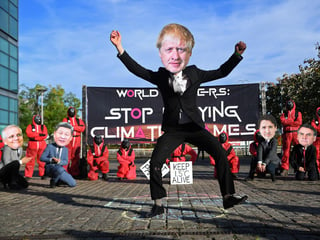
The expedition is the subject of a documentary – Arctic Drift, A Year in the Ice – produced by Fremantle, which was screened at COP26 in Glasgow.

The Arctic plays an important role in keeping the world’s climate systems in balance and helps circulate ocean currents, moving cold and warm water around the globe.
Arctic sea-ice helps control the planet's temperature, providing a cooling effect.
But the region is warming twice as fast as everywhere else, and the ice is melting at a worrying rate.
The Mosaic team set out to collect a huge range of new data, covering five key areas – atmosphere, ice, biogeochemistry, ecosystems and ocean – that will help the scientific community understand the state of the Arctic, how it has been affected by rising temperatures and the role it could play in future warming.