
Silent Hill: How I was chased by monsters in an abandoned Fife fishing village


New video game seizes on unique East Neuk setting to create horror spectacle
With its abandoned wynds, eerie atmosphere, and nightmarish encounters set amidst a thick rolling haar, it is a vision of the East Neuk that is the opposite of a VisitScotland advert.
But the decision to choose Fife as the location for the latest instalment in one of the best known horror series in videogame history could well spark an unlikely tourism boost.
Since its release on Thursday, Silent Hill: Townfall, has been captivating players the world over with its unsettling evocation of St Monans, myself included.
As someone who has regularly visited and holidayed in the East Neuk for years, the recreation of the village - rechristened St Amelia in the game - is uncanny.
The game, which has receiving glowing reviews, begins in its instantly recognisable historic three-piered harbour, where a haphazard scattering of boats, ropes, creels, buoys and other paraphernalia brings back memories of meandering walks along the Fife coastal path.
So too is the layout of the actual village, swathes of which are an exact replica of the centuries old cottages and cramped alleys that prove such a draw with daytrippers.

Thanks to numerous visits and use of technology known as LiDAR scanning - which used laser light pulses to create precise 3D environmental models - the developers of the game, Glasgow-based, Screen Burn, showcase their eye for detail.
Venture through well-kent thoroughfares such as the East Shore, and there are other fragments that I recognise - a community notice board with a lifeboat appeal and details of local clubs, for example.
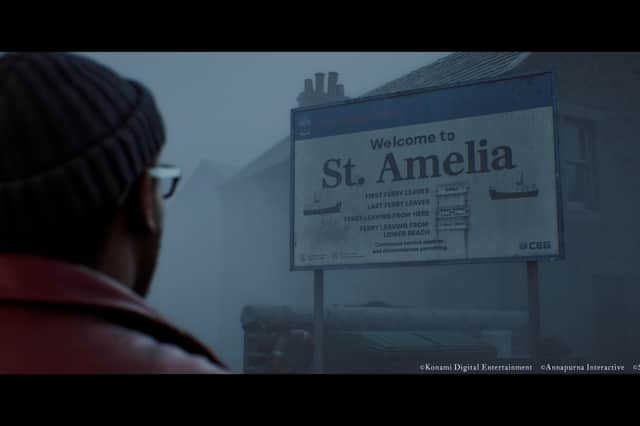
But if you think the latest title in the Silent Hill series is concerned only with facsimile, think again. As my journey through the village continues, it becomes increasingly clear that all is not as it should be.
Its narrow streets are all but empty and, save for the odd ambient noise, such as bunting fluttering in the wind, silent. A sign affixed to a window makes clear that something terrible has happened. ‘Nothing we can do until help arrives,’ it reads ominously. ‘Please stay safe’.
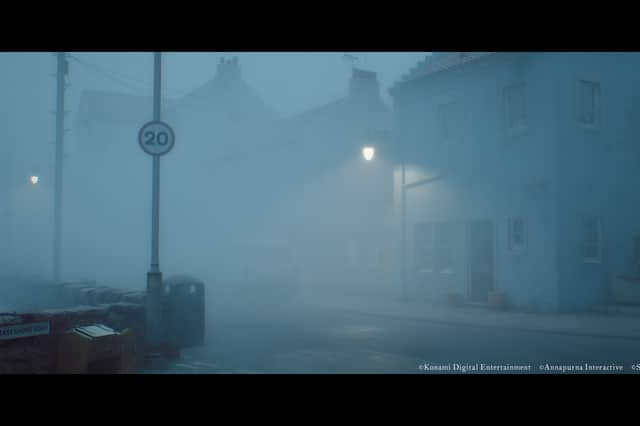
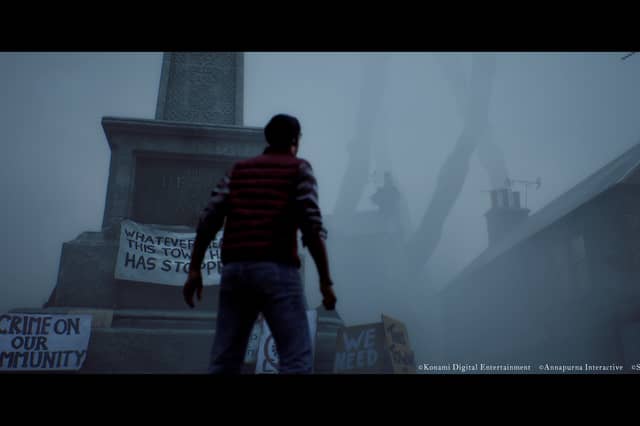
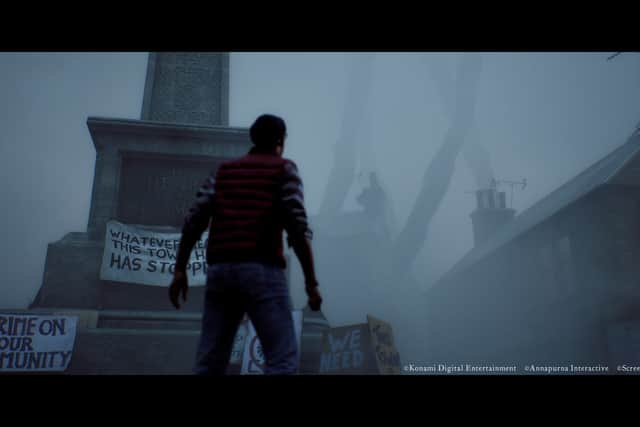
Through a dense fog, where even the occasional streetlight struggles to cut through the darkness, I then encounter discarded placards which again give warning of something terrible that has happened. ‘Whatever heart this town had has stopped’ one reads. ‘Let the ferries in’, states another.
This is a horror game, but it eschews cheap fights for a slow building psychological dread; it takes around an hour or so before I finally come upon the first of many forsaken creatures who roam Screen Burn’s version of St Monans - a faceless, contorted beast bound in restraints.
It is a tense, and at times, terrifying experience, and it will not appeal to everyone. But what a joy it is to see one of Scotland’s lesser known locales given pride of place in a major videogame. The villages peppered along the East Neuk have their own inimitable character and atmosphere, and it could be argued that they have not been represented enough in film and television.
We should be grateful, then, for the ingenuity of the Scottish team who did not have to look far beyond their own doorstep for inspiration, and convinced Silent Hill’s Japanese publishers that St Monans was ideal for the 19th game in the series. Let’s hope it inspires gamers to visit the real place.
Comments
Want to join the conversation? Please or to comment on this article.