
How a sickening encounter with a boy from primary school drove me into politics – Christine Jardine
Labour’s welfare reforms must work if we are to finally bridge a decades-old social divide


After almost a decade in the Commons, you would think I’d be immune to those big set-piece statements in the Chamber. Brexit votes, Covid statements, Ukraine’s Volodymyr Zelensky addressing us by satellite.
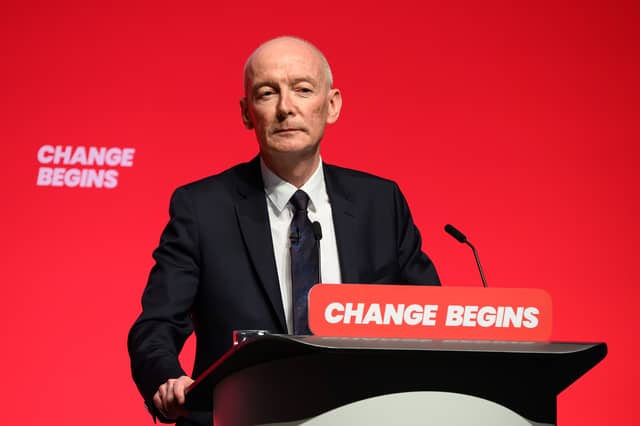
So it was a bit of a surprise when there was such an air of expectation before Work and Pensions Secretary Pat McFadden revealed details of the long-awaited Millburn report. As we waited, one of my Lib Dem colleagues commented that this felt like a landmark moment.
I couldn't help but wonder whether the young people the report was aimed at helping would be impressed with what Labour had to offer. But I was also thinking about a previous generation, my own, many of whom who had not had the opportunities that a university education offered.
The Yuppies arrive
In 1983, the Youth Training Scheme for 16 and 17-year-olds, which replaced the Youth Opportunities Programme, were, along with calls to ‘get on their bikes’ and look for work, all that was offered.
It was just before ‘Young Upwardly Mobile’ or ‘Yuppie’ types like me began to emerge. I believe that period created a divide in society which has grown deeper in the intervening decades.
For one group of young people, leaving school brought opportunity, careers and a comfortable life. For another, it was the beginning of a battle through government schemes, short-term employment and a life of making ends meet.
Perhaps the moment which crystallised it for me was when I went with a group of journalism students on a court visit. My degree and career had helped me move into a job in academia teaching journalism.
But when the accused walked into court, I felt almost sick. It was a boy who had sat beside me in primary school. Similar background, lived two streets away and was a cheeky chappie with an angelic singing voice.
Now he was guilty of a serious offence and going away for a long time. I often think that moment is what drove me to politics.
Previous failures
It was what I thought of as I listened to Pat McFadden outline the plans to give a million young ‘Neets’ a better chance by offering employment support. The changes will mean job guarantees, local hubs and funding, apprenticeship and an approach which goes beyond changes in the welfare system to encompass education, employment and health.
Critics have pointed to changes in the welfare provision which could mean an end to the Personal Independence Payments and disadvantage for some. The government response is that there will be support and ongoing help for those with disabilities which create additional expenses.
While there were welcoming voices across the Commons, some were more guarded than others. Perhaps it is our common experience of constituents trapped by a Universal Credit system which promised to deliver much the same across the age groups but began to fail when the Conservative government did not invest the money it needed.
Or perhaps, like me, they were thinking of a generation consigned to a life of less than their predecessors. Pat McFadden described the issues in the report as so fundamental that they “alter what we see as the contract between government and society”.
This generation must hope these reforms succeed where others have failed.
Christine Jardine is the Scottish Liberal Democrat MP for Edinburgh West
Comments
Want to join the conversation? Please or to comment on this article.