
How Jane Austen's Sense and Sensibility reveals the big problem with Britain today
An excess of emotion and not enough rationality is damaging democracy and contributing to the long-term decline of the UK


Britain is in red-alert territory but our political discourse seems complacently oblivious to the crisis now engulfing the country, the makings of which predate the election of the Labour government last year. This is apparent from the less important issues now dominating the headlines.
A stagnant economy, fiscal constraints, the cost-of-living crisis, and deepening inequalities are generating a collapse of trust and political instability. Surprisingly though, there has been little serious debate about the state of our crumbling democracy and a reluctance to discuss the causes of Britain’s long-term economic decline, in particular the catastrophic failure to improve productivity – the key to economic success – and the poverty affecting millions of our fellow citizens who feel neglected and excluded.
The UK’s antiquated electoral system, so long favoured by Labour and the Conservatives, is now creating the conditions for populism and the rise of the hard-right. As hate, fear and anger grip the country, our outdated and tribal politics is holding us back. Trust, respect, faith and any semblance of confidence is being eroded. The development of devolution and nation building is stalled, allowing nationalism to flourish in its place.
A crisis we refuse to recognise
Our Disunited Kingdom remains paralysed by sentiment, nostalgia and the legacy of its former greatness. Political progress is impossible until we abandon this burden of history and a culture of deceit that no longer allows us to rationally embrace the different future that is urgently needed.
The political tactic of “never mind the policy, get the person” is commonplace and our devotion to manifestos and the exclusion of cross-party solutions only adds to the backwardness of our toxic politics. We’re in a crisis that we refuse to recognise.
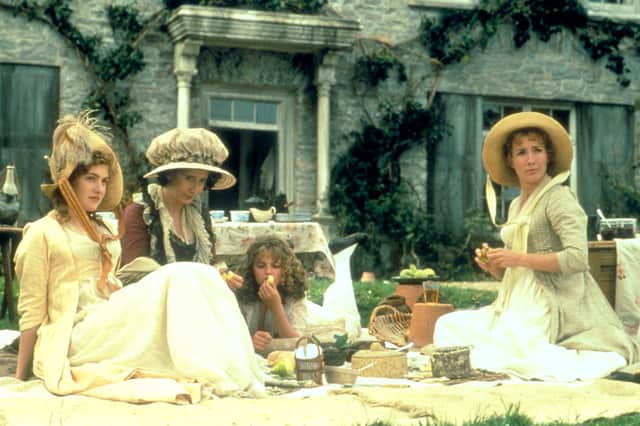
Jane Austen’s classic 1811 novel Sense and Sensibility offers an insightful narrative for our current times and a fitting comment on our age of anger. The book follows the relationship between the Dashwood sisters, Elinor and Marianne, contrasting the former’s ‘sense’ of good judgment, wisdom and prudence with the latter’s ‘sensibility’, signifying sensitivity, sympathy and emotionality.
The dangers of excessive sensibilities are highlighted with Austen concerned about the overly sentimental nature of some people, and the importance of the rational endowments expressed in ‘sense’.
This provides a lesson for our own times, when emotions and sentiment are running high. Appealing to our more rational side is surely the key to lowering the political temperature so we have less catastrophising and negativity, and more perspective. Our age of anger must be confronted by an age of reason to overcome the mistrust, hate and fear that threatens politics in Britain.
Want the latest Scottish headlines sent directly to your phone? Sign up to our new WhatsApp Channel here.
Farage’s one-trick pony
Our country isn’t working and democratic decay is real. It is a gloomy prognosis but this reality is unfolding on a daily basis and needs to be addressed.
We must always acknowledge the destructive and anti-progressive intentions of some, including the right-leaning press, US Big Tech, no-regulation, free-marketeer fanatics and now unregulated social media. This war against progressive forces in Britain is nothing new.
Symptoms of our dysfunctional politics include the recent rise of Nigel Farage’s Reform UK, a one-trick pony focussed on immigration, the rise of English nationalism, and the Conservatives’ decision to do little but perform a requiem for their once-great party.
How to fix Britain
However, if a week is a long time in politics, the next election is light years away! The way ahead, difficult as it might be, must be tackled boldly.
First, the first-past-the-post (FPTP) electoral system should be scrapped entirely, as the Welsh are doing next year and the Scots should do in the future. The large disproportionality between parties’ vote share and seats is now farcical.
A multi-party Britain is now the reality and both Labour and the Conservatives should embrace proportional representation. Myths about FPTP providing strong government have been discredited, and, more importantly, our democracy is dying and we need to stop the rot.
Second, we must lower the temperature of politics. The public and politicians should seek a truce on collective abuse and instead acknowledge their mutual obligations to each other. Governments should pursue unity and offer a better vision of the future, with inclusive messaging about how people’s lives can be positively enhanced by the actions of government.
A quiet but successful leader
Third, Keir Starmer needs to have more self-confidence about his leadership. Too often there is a tendency to engage with the absurd notions of Tory criticism and right-wing media headlines. Labour’s historical enemies will never change. Post-war Prime Minister Clem Attlee, a quiet but successful leader, could be a model.
Fourth, there is a need to ensure that all the nations of the UK keep moving forward, with their different identities valued and voters feel respected and included. Devolved government must be given a new lease of life.
Fifth, the current levels of poverty, inequality and injustice must be seen as a threat to the unity, cohesion and stability of Britain. The Labour government must do much more to reach out to and help those who feel isolated and overlooked. The language of metropolitan elites and London-centric debates leave large swathes of voters thinking they are left with only the crumbs of the table.
We need more stories and a positive vision. Labour has historic commitments that it must honour and a vital role in humanising capitalism and regulating markets for the common good. Serious thinkers on the left constantly remind us of the vital question: “What does the Labour party stand for?”
Today Labour must keep alive its moral purpose and promote progressive coalitions based on pragmatism and idealism. Turning right in any form is not an option. Labour’s strengths lie in its historic commitments and the currently unrealised potential of government to change people’s lives for the better.
Henry McLeish is a former First Minister of Scotland
Comments
Want to join the conversation? Please or to comment on this article.