
The nature on Scotland's doorsteps can be just as fascinating as eagles and dolphins – Nick Halfhide
Nick Halfhide of NatureScot explains the rationale behind its Wildly Close campaign


When I was about six, I was given some advice that has stayed with me for some 50 years now. While out riding my bike, I was told I should always do what I can to avoid crushing any ants under my wheels.
These words of wisdom were passed on to me by a big, burly Irish chef who may have cooked meat for a living but was also a vegetarian. In the alleyway next to where we lived, I would quite often see big lines of ants on the march and I was told that, while they may be small, they are living creatures like the rest of us, so we must do what we can to protect them.
It’s a message I’m now proud to pass onto my grandchildren when I take them to visit rock pools close to my home in Nairn. And that respect for all forms of nature is one I hope will stay with them as it has with me.
Eagles, dolphins... and earwigs
When most people think of Scottish nature, they probably conjure up picture-postcard images of golden eagles soaring majestically through our mountains or dolphins jumping in unison off our beautiful coastline.
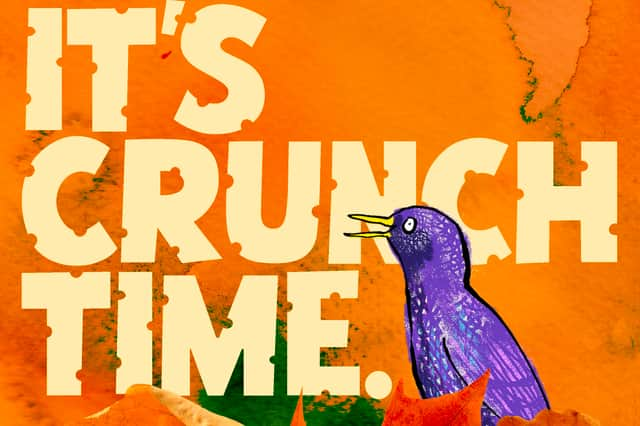
What they probably don’t consider is the nature that’s all around us – earwigs scuttling between cracks in the pavement, earthworms making their home in our flowerpots or starlings watching us from a garden fence. But it is actually this latter group that offers us the perfect opportunity to help children engage with the environment all around them.
NatureScot’s Wildly Close campaign is aimed at five to 11-year-olds, as well as parents and carers, and encourages outdoor learning, family time and wellbeing. The message is simple: you don’t need a garden, car or countryside day trip to find nature. You don’t need to venture far, most young children will be captivated by a woodlouse hiding under a leaf.
There is lots of evidence that shows many children respond positively to outdoor learning. Exposure to nature can reduce stress, improve mood and inspire creativity. And, as I have found, developing a love for it can last a lifetime.
Ida the spider
The beauty of the Wildly Close campaign is there are no barriers. Discovering the nature outside our doorstep is accessible to all – it’s free, requires no special kit and, no matter where you are in Scotland, you can join in.
To spark the imagination of young minds, NatureScot arranged for children’s illustrator Tom Morgan-Jones to work with young people from three primary schools in Johnstone to help design a cast of the wonderful Unlovelys characters, including Pip the chatterbox bat and Ida the speedy but nervous spider.
The idea was to give a personality to creatures that may get overlooked – or even provoke fear. The children also joined Tom in getting their hands dirty by sifting through soil and lifting leaves to look for real-life inspirations. It was amazing to see how enthused they were.
Scotland’s nature is among our greatest assets. If we can encourage the next generation to connect with it through the wee beasties just outside our doors, as much as those picture postcard images, we will all benefit.
Nick Halfhide is chief executive of NatureScot. To download a free Grubby Guide to the creatures on our doorsteps, visit: www.nature.scot/wildlyclose
Comments
Want to join the conversation? Please or to comment on this article.