
The Scottish sheriff who 'sentenced himself' to find out what it was like
‘Greatness in life is not likes on Instagram... True greatness lies in the positive impact we have on others’

Sentencing has become a lightning rod in public discourse. Whether it’s accusations of punishing free speech or outrage over perceived leniency, the media and public often weigh in with fervour over court decisions. Yet we rarely hear of the complex web of decisions, responsibilities, and human stories that lies behind the headlines.
Many believe they could step into the shoes of a sheriff or judge, assuming the role is simply about handing down sentences. But having seen the justice system up close, I know I could never do it. The emotional toll alone would be too great.
While some cases may be straightforward, most are anything but. Each decision must balance the law, the evidence, the lives of the accused and the complainers, and the dignity of everyone involved – from witnesses to court staff. It’s a role that demands not just legal acumen, but deep humanity.
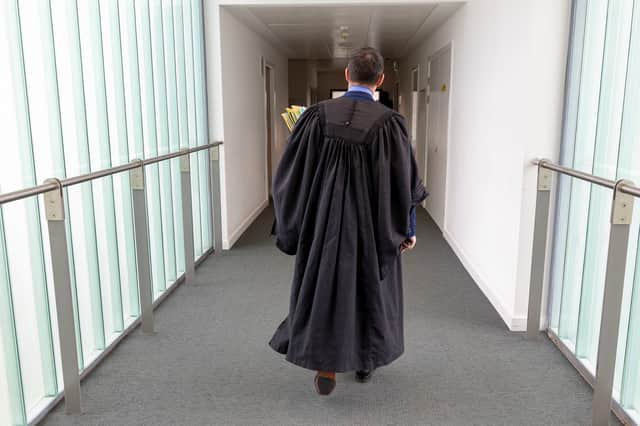

Focus on rehabilitation and open justice
I was fortunate to meet Sheriff Desmond Leslie shortly before his retirement a few weeks ago. The tributes from his colleagues, from whom I have borrowed shamelessly for this column, painted a portrait of a man whose heart guided his every decision. He was ahead of his time – committed to treating all who entered his courtroom with dignity, whether they were accused of a crime, representing the law, or seeking justice.
Sheriff Leslie didn’t just hand down community sentences – he undertook unpaid work himself when he first arrived, to understand what he was asking of others. His focus was always on rehabilitation, on open justice, and on ensuring the court served the community rather than standing apart from it. Open justice – the principle that justice must not only be done but be seen to be done – was not just a legal concept to him; it was a lived practice.
During my time spent visiting and observing Ayr Sheriff Court, I saw the impact of his approach. He built relationships, reached out to schools and local agencies, and helped demystify the court’s role. In doing so, he brought justice closer to the people it serves. Too often, justice feels remote – something that happens to others, somewhere else. Sheriff Leslie worked to change that, and the community was better for it.
Quiet strength
Long before they were formally recognised, he ran problem-solving courts – spaces where the goal wasn’t just punishment but understanding and change. He was the essence of an early adopter, embracing restorative justice practices long before they became mainstream.
He resisted the notion that custody should be the default, reserving it for cases that truly warranted it. His kindness, compassion, and intellect were evident in every interaction.
One colleague’s tribute has stayed with me: “Greatness in life is not likes on Instagram, or the amount of stuff you have. True greatness lies in the positive impact we have on others and in a life of service.” Sheriff Leslie embodied that greatness. He was, as another said, “a man in whom the quality of mercy was not strained”.
As we continue to debate sentencing in the public sphere, let us remember the quiet strength of those like Sheriff Leslie – people who serve not for recognition, but for justice, fairness, and the betterment of our communities.
Karyn McCluskey is chief executive Community Justice Scotland