
Why 33 per cent of Scottish men have a dark secret to explain to their children
It can be difficult for people with a criminal conviction to explain what they did to their children, but there’s a difference between a bad person and someone who made bad choices

Have you ever had to ask your parents about their past, or explain something to your own children? Often those conversations are light-hearted: questionable fashion choices, old relationships, mischief best left in the 80s. But sometimes the past is heavier: harm caused, addiction, time in the justice system, or even prison.
The days when such news was yesterday’s chip wrappers are long gone. The internet never forgets. And in some communities, your history isn’t just online, it’s kept alive in whispers at school gates or gossip in the local shop.
The numbers tell us this isn’t rare. Estimates suggest around 33 per cent of men and 10 per cent of women have a criminal conviction. Some of these are spoken about openly – drunken mistakes or minor offences that didn’t alter the course of a life. Others resurface painfully, especially for people applying for public roles, new jobs or positions of trust.
READ MORE: One in eight prisoners released early in Scotland expected to end up back behind bars – SNP minister

Reliable, constant protectors
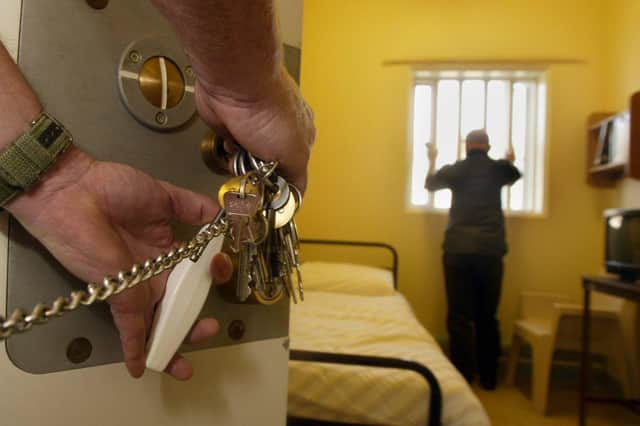
So how do you tell a new partner or your child about the harm you caused, the wrong turns you took, or the months (perhaps years) you spent in prison? How do you explain that you hurt people, intentionally or not, without minimising your actions? Parents want their children to see them as reliable, constant protectors, not as someone who once fell apart in ways you’d do anything for your kids to avoid.
These conversations are hard because they demand honesty, vulnerability and careful language. They can’t excuse, but they shouldn’t stigmatise. I recently came across a beautifully illustrated book called Here, With You, created to help parents talk to young children about difficult topics like criminal convictions, addiction and family estrangement. It’s now available in many prison visiting rooms, and organisations can request it for free.
For older generations, family secrets were often whispered or avoided. Stories of someone “working away” or “visiting relatives” covered up realities like imprisonment, addiction or even pregnancy. Silence didn’t erase these truths. It simply allowed them to warp, grow, and ultimately cast long shadows across many lives.
Today, the challenge is different. It isn’t about an unwillingness to speak, it’s not knowing how. Many parents simply lack the words to explain their past in a way their children can understand. That’s why I value resources like Here, With You. In simple, compassionate language, they help families distinguish between bad choices and bad people. This distinction matters more than we sometimes admit, because life isn’t binary, no matter what the tabloids might have you believe.
Sunlight the best disinfectant
I’ve met countless people who made terrible choices, who’ve acknowledged them and worked hard to put things right, yet still carry the shame decades later. Shame thrives in silence but honest, age-appropriate conversations can interrupt that cycle. They help children ask questions, understand context and see that a person’s worst moment is not the whole of who they are.
We live in a world where the past is rarely private, but also a world where openness can change things. It’s said that sunlight is the best disinfectant – if nothing else, it rarely makes it worse. Speaking about harm doesn’t erase it; it simply stops it controlling the future. And in our modern world, that might be the most important thing we pass on to the next generation.
Karyn McCluskey is chief executive of Community Justice Scotland