
Why choosing a sandwich for lunch is a serious moral issue

Waitrose’s decision to introduce sandwiches made with chicken produced to higher standards than usual is described by the RSPCA as ‘trail-blazing for animal welfare’
How many of us know that dining was forever changed by a compulsive gambler, a certain Earl of Sandwich, way back in 1762? As the story goes, John Montagu, the fourth earl, was so absorbed by playing cribbage in a public gambling house, he started a new culinary craze.
Worried about getting greasy hands from eating meat whilst playing cards, he shouted out an order for roast beef placed between two slices of bread! And so, as legend would have it, the sandwich was born.
The idea caught on in London, and his name became associated with it. Initially seen as something shared while gaming, the sandwich began popping up in polite society as a late-night meal among the aristocracy.
Its popularity in England increased dramatically during the 19th century, when the rise of industrial society and the working classes made fast, portable and inexpensive meals essential. Hard to believe, but the sandwich sector is now worth approximately £8 billion to the UK economy. Some four billion are consumed each year, with its popularity showing no sign of declining.
After all, instant gratification and convenience these days is a winning recipe. No wonder that 56 per cent of Brits eat at least one a day. Only last week, a Glasgow coffee shop, Bite Me, was crowned Scotland’s best sandwich shop for the third year running.
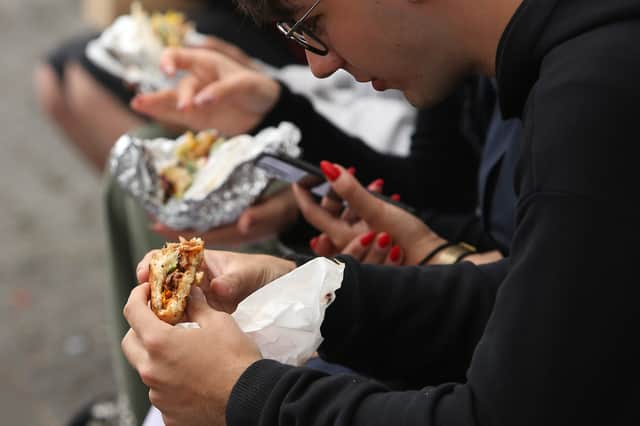

Consumers concerned about animal welfare
It may be a classic lunchtime staple, but the Great British Sandwich Study revealed last year that some of us are turning away from the British classics like ploughman’s, ham and mustard, and cheese and onion, in favour of fillings like avocado, olives and continental cheese. Yet strangely, whilst consumers might be more discerning and seeking different tastes, there is little evidence to suggest that they particularly care about where their meat, dairy and eggs in the sandwich comes from.
Studies show that many consumers generally express high levels of concern about animal welfare. A recent survey of UK consumers found 68 per cent said that animal wellness was "very" or "extremely" important to their purchasing decisions. A 2023 review by the Social Market Foundation found that 83 per cent reported caring about farmed animal welfare, with 61 per cent expressing some discomfort with how animals are treated on farms.
However, with no mandatory UK labelling legislation on how animals are reared for our meat, confusion reigns, leaving consumer choice and animal welfare the losers. Hence why public concern for animal welfare often fails to translate into changed purchasing behaviour.

Hats off to Waitrose
Despite the relentless expansion of the sandwich industry through outlets like Subway, Greggs, Pret a Manger and supermarkets, animal welfare standards for meat in sandwiches vary greatly.
If a sandwich's packaging has no specific welfare certification, the meat likely originates from intensive or ‘factory farm’ conditions, where animals are more likely to be cruelly caged and confined with far less space and enrichment than in higher welfare systems. This can be particularly true for the cheapest sandwich options.
Hats off then to Waitrose for becoming the first UK grocer to set a new benchmark for better chicken welfare standards across the board, including their sandwiches. It’s a move described by the RSPCA as “trail-blazing for animal welfare”.
Having unveiled its first ever £5 lunchtime meal deal in August last year, the supermarket has also relaunched its “Food To Go” range, championing market-leading standards for higher welfare chicken, eggs, beef, lamb and pork in its sandwiches, salads and wraps.
Like New York, the home of the deli-sandwich, the industry itself ‘never sleeps’ and is evolving continually. This latest groundbreaking move by Waitrose will be a shot in the arm for improving animal welfare standards between those all-important two slices of bread.
Bright red bread
In a similar vein, sandwich outlets are now recognising the move to reduce meat consumption and satisfy demand for plant-based fare. To name but a few, Pret a Manger opened its first vegetarian shop in central London last year and now has three in the city. This year, M&S launched a range of vegan sandwiches on bright red, green and yellow vegetable-based breads. And the cult upmarket sandwich chain, the Soho Sandwich Company, has several offerings like its ‘TLT’ with tofurkey.
Then there are the individual artisan sandwich boutiques which offer whole new stylised venues and sandwiches catering for those seeking a more expensive, diverse and flavour-packed experience. But even these companies are aware of the higher-end consumers’ desire for quality and thoughtfully sourced, organic fillings, meats and cheeses.
Whoever will prevail in the burgeoning sandwich market of the future will depend, among other things, on innovation, embracing the need to adapt to an increasingly diverse consumer – like those requiring value and more recognisable taste offerings during a cost-of-living crisis; those who seek a more ethical, well-sourced product offering that meets modern taste expectations, plant-based or not; and those seeking an altogether more dynamic, gourmet sandwich build and are prepared to pay for it.
However, what should be adopted universally is that decent food, produced with high animal welfare standards and good environmental stewardship, is the affordable default offering for all.
As the humble sandwich continues to evolve, so too must our expectations. Between those two slices lies not just taste and convenience, but a chance to choose compassion, quality and sustainability – making every bite a reflection of our values.
Philip Lymbery is chief executive of Compassion in World Farming, president of EuroGroup for Animals, and a UN Food Systems Advisory Board member. His latest book is Sixty Harvests Left: How to Reach a Nature-Friendly Future. Philip is on X/Twitter @philip_ciwf
Comments
Want to join the conversation? Please or to comment on this article.