
Why it's wrong to say anyone is evil


There are evil acts but it’s a cop-out to say a person is evil
I wanted to use this column to recommend a Christmas feelgood film, or an upbeat podcast to make you feel better about the world. I am strictly a consumer of warm and fuzzy films – generally no gritty crime dramas or series make it onto my watch list and definitely no horrors.
Yet I found myself at the recording of one of this year’s BBC Radio 4 Reith Lectures in Dundee. These are being presented by Gwen Adshead, the forensic psychotherapist who worked at Broadmoor Hospital, a high-security psychiatric facility treating some very mentally unwell and often dangerous people. She is giving four lectures around violence: Is violence normal? What is the relationship between trauma and violence? Is there such a thing as evil? Can we change violent minds?
Her focus is on peacetime violence and those who perpetrate it in family circumstances and communities around the country. Her lectures talk about the capacity for violence and our fascination with violent acts.
The worst crimes
Dr Adshead has a deep knowledge of it, having interviewed and treated perpetrators of violence over decades and she’s given evidence to the courts where there is a suggestion that the accused may have a mental illness.
She’s driven to understand why people commit some of the worst crimes, not to excuse but so we may prevent this happening in the future. It’s an endeavour that I, and many others who I work closely with, feel motivated by too. It’s taken up the last 22 years of my life and I believe in it passionately.
It is a difficult area. Many people would have us not engage with those who perpetrate heinous offences, believing that in doing so they will minimise the harm that they have caused and that the narrative about their life and upbringing will be used to excuse their crimes.
I can understand their fears and indeed have heard it play out in the many conversations that I have had with perpetrators of violence – yet there is much to be learnt around preventing these acts, the triggers and the risk factors.
Father of Dunblane murder victim
The lecture I attended was the third of the Reith lectures, yet to be aired, which discusses whether there such a thing as evil. I have lost count of the headlines which bandy around the ‘evil’ moniker. Although it’s true there are evil acts, and indeed that is what Professor Adshead suggests, it’s actually a cop-out to write off a person as evil.
If you listen to the lecture, stay to the very end. Some of our fellow citizens, who have been profoundly harmed by evil acts, responded and it is these I will remember. In particular, Linda McDonald who was attacked by a man released from a life sentence and Mick North whose daughter Sophie was murdered in Dunblane.
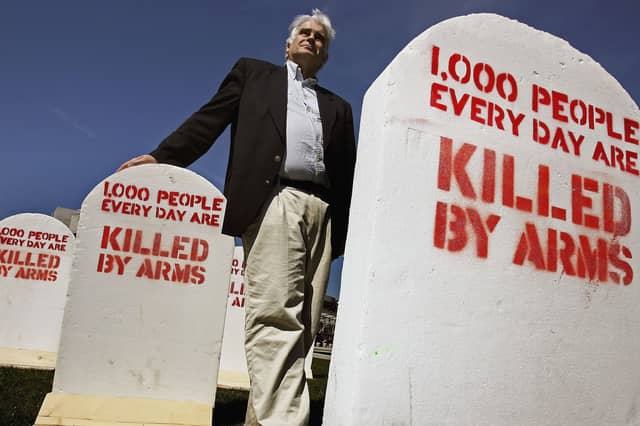
Mr North said he didn’t believe that the perpetrator was evil, rather he was a man with a grudge and access to a firearm. He and other parents made their focus firearms legislation and, in doing so, made us all safer.
We are all capable of doing terrible things, and while retribution may give fleeting relief from our pain, true change always comes from understanding the bigger picture that enables terrible things to happen.
Karyn McCluskey is chief executive of Community Justice Scotland