
Insulate an old island house from the roof down, and leave the walls till last


Calum Farquhar, director of an East Kilbride insulation company, argues that a stone house facing Atlantic weather needs its repairs, loft and floor done before anyone lines the walls, and that the wrong lining can leave it damper than before.
On the west coast, rain comes in on the wind and drives into the joints and the face of the stone, and the wall spends each dry spell giving that water back. Lime mortar, lime plaster and the stone itself let that moisture out again.
I insulate old stone buildings for a living, sandstone tenements and villas around Glasgow for the most part, and the wall is the part of any job that worries me. Soft stone soaks up wind-driven rain, and whatever we fix to the inside changes how fast it can dry. Island houses take more weather than the ones I work on.
My fear is that grant money will push island households to start with the walls, because the walls feel like the place the cold comes from. The Guide to Energy Retrofit of Traditional Buildings from Historic Environment Scotland (HES) sets out a better order, and I agree with it.
HES puts repairs ahead of any energy work. A blocked gutter or a run of cracked cement pointing will soak a wall faster than insulation can help it, and HES warns that cement render can reduce how much moisture a wall can pass. Lining a wet wall hides the problem behind new plaster.
The guide then starts in the roof space, with around 280mm of an open fibre such as sheep's wool and a gap left at the eaves so air still moves through the roof.
Floors follow. Plenty of older cottages have suspended timber floors over a void, with cold air coming up between the boards. HES says insulation works best fitted below a timber floor, in a vapour permeable material, and in its case studies 80mm of wood fibre cut the heat lost through one floor by 71 per cent. When we are insulating a timber floor from below, we fit hemp between the joists, which needs about half a metre of crawl space. With less room, we lift the boards and work from above.
The walls of an exposed island house might not need lining at all. HES advises against insulating highly exposed walls without full thought about how they perform, and says the money may do more on detailing that keeps the rain out. It names phenolic foam as a product to avoid in traditional buildings, because it can concentrate moisture and decay the masonry, mortar and timber. Foil-faced foam board seals the inner face of the stone in much the same way.
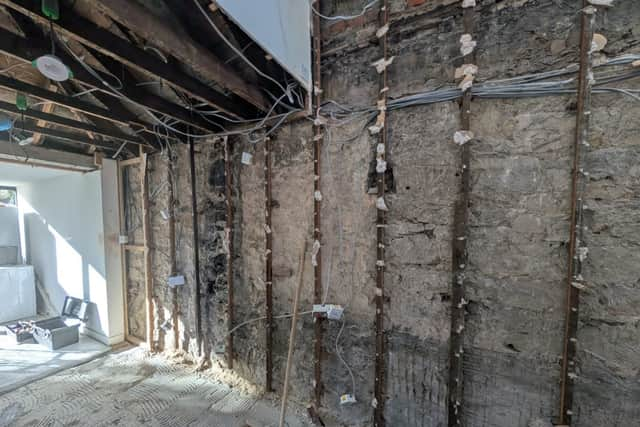
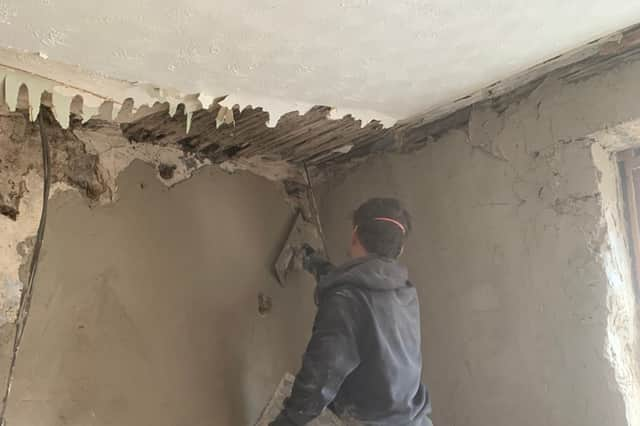
Where a wall does suit insulating, we strip it to the stone, fill the hollows with lime, fit hemp inside a timber frame and finish with two coats of lime plaster and a breathable paint. That build-up lets stone walls keep drying out into the room. Too much insulation brings its own risk, as the outer face runs colder and rain soaked into the stone can freeze and crack it.
Home Energy Scotland adds £1,500 to its grant for rural and island homes, and its solid wall and underfloor grants need a TrustMark registered installer. Before you sign, ask the installer which order they would do the work in and what they plan to put against the stone. I would also ask whether they have stood in a house like yours during a westerly gale, though few of us on the mainland can claim to have done that on Jura.
Calum Farquhar is director of Insulation Installers Scotland, a TrustMark registered installer based in East Kilbride. He started in the industry at 19 as an insulation surveyor.
Comments
Want to join the conversation? Please or to comment on this article.