
Not all parents who lose a baby get proper bereavement support - we must end the postcode lottery
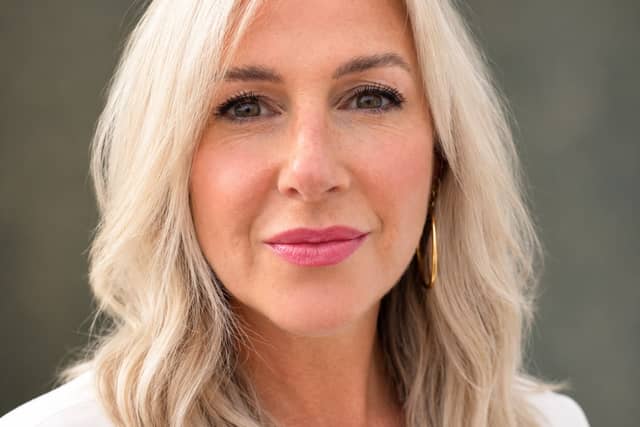

Nicola Welsh, Chief Executive of Held In Our Hearts, writes for the Scotsman on the support service bridging the gap between hospital care and returning to home life for parents who lose a baby.
When a baby dies, parents do not leave their grief at the hospital door.
They return home carrying trauma and the practical burden of handling appointments, work, and family life. When they most need specialist help, too many families face a postcode lottery for bereavement support in their community.
Every day in Scotland, around 70 pregnancies and babies are lost. Families repeatedly tell us that the weeks immediately afterwards can shape their longer-term wellbeing. Support that arrives early, at home, and without parents having to fight for it can reduce isolation, rebuild confidence, and prevent distress from escalating.
The problem today is this is not an automatic right in Scotland. Every person and every politician of every party agree with us, there is an assumption that a country like Scotland would already offer this support automatically. It does not.
For more than 30 years, Held In Our Hearts has supported bereaved families through specialist counselling, peer support, practical guidance, and trauma-informed early intervention. Our flagship Hospital to Home programme is Scotland’s first opt-out bereavement service delivered with NHS Scotland. It reaches parents in the first weeks after a baby’s death providing the psychological support they need, when the very act of asking for help may feel impossible.
Hospital to Home provides home visits, emotional and practical guidance, funeral guidance, advocacy, and support with follow-up appointments. It connects the gap between clinical care and community life. Hospitals can treat physical needs, but recovery from baby loss does not follow a discharge timetable. A trusted specialist with lived experience coming through the family’s door offers continuity that delayed referrals cannot.
The evidence is compelling. Among families supported by Hospital to Home they reported that as result of this support, 91 per cent said they did not feel they needed NHS psychological services afterwards, 100 per cent felt less isolated and 97 per cent felt emotionally supported following their loss. Families also reported improvements in wellbeing, social connection, confidence, and day-to-day functioning. This is compassionate care with measurable impact.
Yet Hospital to Home currently operates in only six health boards. That means access still depends on geography rather than need. There is no legal right to bereavement support, and families in rural, remote, or isolated communities can be left to search for help while in acute grief.
The charity believes this vital support should be available to everyone in Scotland in every health board and is calling on the Scottish Government to a national roll-out. It should support it in principle.
National provision would also strengthen bereavement pathways and reduce pressure on NHS Scotland. Early intervention can prevent families from reaching a crisis point and help specialist psychological services focus on those requiring clinical treatment. It is about creating a partnership in which charities with deep expertise provide timely, trauma-informed support as part of a dependable national pathway.
Let’s make this Baby Loss Awareness Week the last one in which bereaved families must campaign for care after the worst experience of their lives.
Scotland has an opportunity to lead through a service that is compassionate, proven, and ready to expand. We need cross-party backing and a clear funding commitment so that Hospital to Home becomes available in every Health Board.
By Nicola Welsh, Chief Executive of Held In Our Hearts
Comments
Want to join the conversation? Please or to comment on this article.