
You cannot have Eurovision without the politics

I have long since accepted the mantle of terrible music lover
It is once again SpotifyWrapped season, when we can all giggle at just how embarrassing everyone’s music taste is.
My taste in music is very one-dimensional. Every year, without fail, it is just filled with Eurovision songs. I take the careful curation of my Eurovision playlist very seriously, with only a select few songs making the cut each year.
I have long since accepted the mantle of terrible music lover.
So I have been avidly keeping an eye on the latest news coming out of Eurovision this week.
A few days ago Ireland, Spain, Slovenia and The Netherlands all announced they are boycotting the 2026 song contest after Israel was given the all-clear to compete.
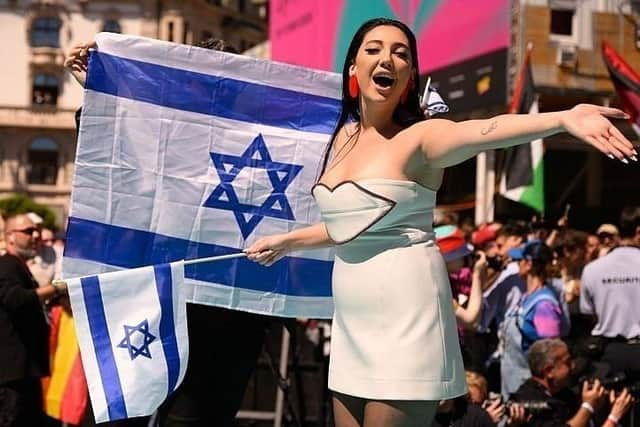

Both the Irish broadcaster RTÉ and Spanish broadcaster RTVE will also not broadcast the contest, which is being held in Vienna this year.
The number of countries refusing to compete could rise even further. Iceland threatened to boycott Eurovision earlier this year and is now considering what to do at a board meeting on Wednesday.
The 2026 contest was supposed to be a massive party as it is Eurovision’s 70th birthday, but it already seems doomed to be overshadowed by the question of Israel’s participation.
This looming shadow has been a feature of the contest for the past two years.
Organisers of the contest met at the European Broadcasting Union headquarters in Geneva on Thursday to discuss a series of proposed new rules when the decision to not ban Israel was made.
They did however agree to some new rules aimed at limiting governments and third parties from disproportionately influencing the voting.
If you remember in May, many countries cried foul when Israel came second in this year’s competition, and very nearly ended up winning.
Singer Yuval Raphael was ranked joint 14th by the national juries, but shot up the leader board to finish only one point behind Austria’s JJ when the viewer vote was taken into account. The UK was among the nations awarding their full 12 points from the public to Israel.
Ireland, The Netherlands, Belgium, Spain, Iceland and Finland all raised concerns about this at the time and some even requested an official audit.
As much as many of us enjoy the annual party of Eurovision, the contest has always been political.
Russia was unceremoniously booted out after its illegal invasion of Ukraine. The Eurovision community then rallied around the war-torn country to ensure Ukraine took home the crown that year.
Many were outraged Israel was then not also disqualified due to the war in Gaza. Several contestants have tried to highlight this and news stories in the week leading up to the grand final have been dominated by controversies.
The 2026 contest will be more of the same, particularly with so many countries, including one of the ‘big five’, not participating.
I hope we are still able to enjoy Eurovision in 2026 - but the geopolitics at play will always be an integral part of the contest that we cannot ignore.
Comments
Want to join the conversation? Please or to comment on this article.