
Andy Burnham faces early crucial oil and gas test that will define his leadership in Scotland

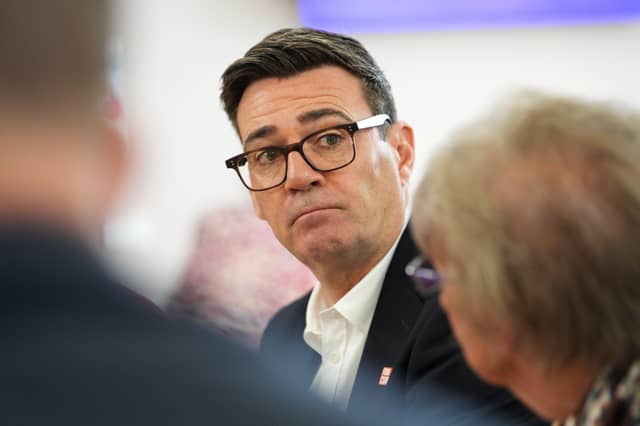

Andy Burnham has insisted he wants to reindustrialse every part of the UK - with focus on Aberdeen’s oil and gas sector.
Even before Andy Burnham officially launched his bid to dethrone Keir Starmer, he was facing intense pressure to open up the North Sea to more oil and gas drilling.
There was almost an acceptance in Aberdeen that the former PM was utterly ideologically opposed to more drilling and therefore it wasn’t going to happen. Mr Burnham, who says things and does things that ring more with people and industries than his predecessor, has at the very least listened to the calls from the industry.

Labour vowed to end new oil and gas drilling in the party’s manifesto before the 2024 UK general election. And it is a well-meaning policy, given the state of global efforts to get on top of the climate crisis - with fossil fuels playing a huge role in harmful emissions.
But the dire geopolitical landscape has ramped up the need to focus on domestic production. Conflict in the Middle East and Russia’s invasion of Ukraine has illustrated, bluntly, how fragile the world’s energy infrastructure is.
The Labour government has insisted that scaling up renewables, and delivering some nuclear power will essentially wean the UK off fossil fuels - meaning that by the middle of the century there will be no need for oil and gas. But the big question is where will we get out oil and gas from in the meantime.
The UK government has a get-out clause to keep the sector happy if it insists it will keep its pledge to end drilling in the North Sea. Rosebank and Jackdaw, and projects lining up behind them, do not need a new exploration licence. They are merely reapplying for environmental consent.
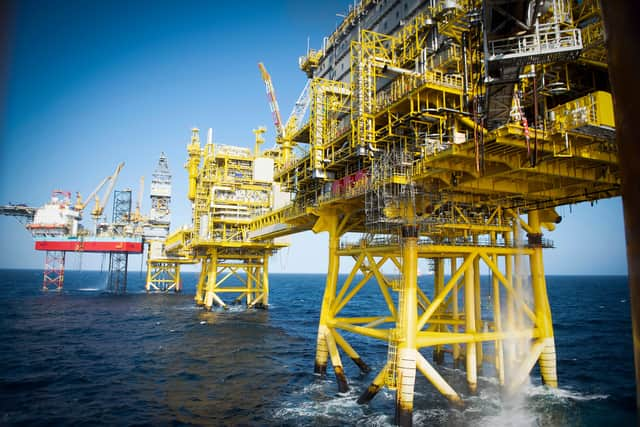
If Mr Burnham and his government are serious about reindustrialising Britain and securing jobs in Aberdeen and the remaining industries at Grangemouth that haven’t been torn apart by the changing world, then so-called tieback developments would be a good starting point.
The tiebacks, which the door was opened for during Sir Keir’s stint in Downing Street, still need to meet environmental standards. Climate campaigners understandably are left aghast at how any oil and gas development could be consistent with climate tests - and that is the key decision for the UK government.
The UK government insists it is committed to ending new exploration licences and included the pledge in its draft energy independence bill. But the main focus in that piece of proposed legislation is to accelerate the shift away from fossil fuels to clean energy.
At his first Budget later this month, there is now an expectation on Chancellor John Healey from the North Sea industry that he will bring forward the reforms to the energy profits levy from 2030 to as soon as is possible. Industry group OEUK wants it to kick in from January. But soaring fuel and energy prices and continuing instability in the Middle East and Eastern Europe make that harder to sell than previous calls that have fallen on deaf ears.
The UK Labour government will need to pick a side in the coming weeks and months. It could continue down its banishment of the North Sea oil and gas sector to more-effectively tackle the climate crisis and maintain one of the only areas Labour has wholeheartedly stuck to its guns since its election victory. Or it could be pragmatic and think of where the oil and gas we use comes from in the next 25 years, while also helping to boost the economy in the North East, including the renewables sector.
None of these decisions are simple. But as Mr Burnham makes his first visit to Scotland since becoming Prime Minister, he faces an early crucial decision that could define the rest of his leadership north of the Border.
Comments
Want to join the conversation? Please or to comment on this article.