
Milburn Review: Up to 20,000 young Scots could see health benefits scrapped by Westminster
Personal Independence Payment (Pip) has been devolved to Holyrood - but SNP ministers could face huge budget pressures to continue the benefit.



Around 20,000 young people in Scotland could see their benefits abolished by UK Labour government reforms - putting financial pressure on SNP ministers to fund 36,000 devolved payments for under-25s.
Former Labour health secretary, Alan Milburn, will publish his review on Tuesday intended to move young people from social security into work.
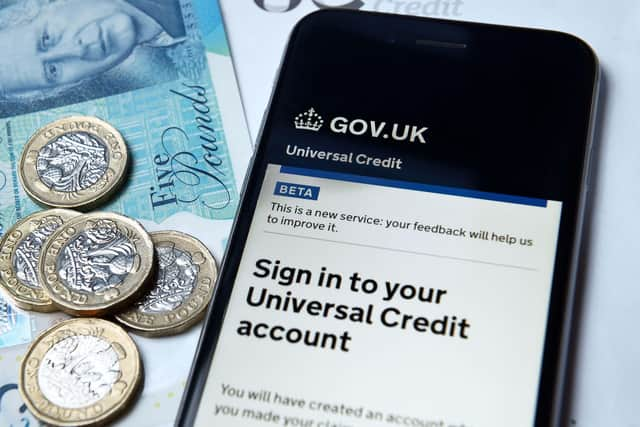
Mr Milburn is expected to recommend removing entitlement to Personal Independence Payment (Pip) south of the Border and the health element of Universal Credit, including in Scotland, for under-25s - with a new youth allowance paid at the standard Universal Credit rate.
His report will set out how the UK is “at a fork in the road and half measures will not do”, arguing “a complete system reset is needed”.
He will say: “A lost generation is not inevitable. A work generation is possible.”
Statistics collated by Action for Children shows that as of March this year, 180,000 16-24-year-olds were receiving the Universal Credit health element across the UK, including around 18,000 in Scotland, who would lose their entitlement under the proposal.
PiP has been devolved to Holyrood with Social Security Scotland handing out adult disability payments (ADP) in its place.
Statistics from Social Security Scotland show that 36,555 people in Scotland between the age of 16 and 24 were receiving ADP, as of July this year.
The Scottish government has not suggested it intends to scale back benefits for young people, including ADP, but if cuts are made at Westminster, SNP ministers will likely need to find funding from elsewhere to continue to meet demand.
First Minister John Swinney has issued a warning it would be “unacceptable” for his government’s funding to be cut as a result of the review, adding that a decision to cut benefits for young people south of the Border could have “huge implications for Scotland’s budget in future years”.
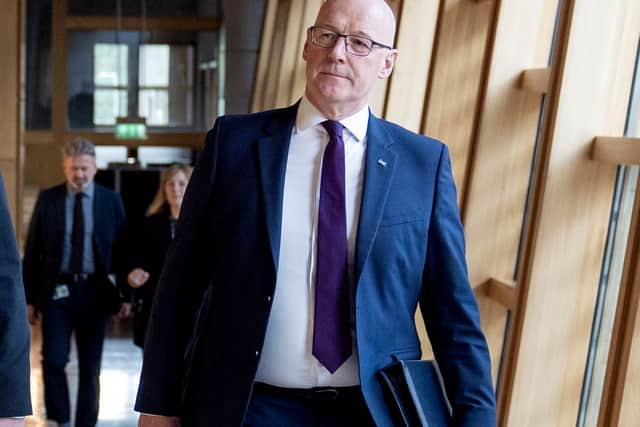
Mr Swinney argued it was “concerning” to see suggestions “that the review will be used as a pretext to cut support from younger disabled people”.
The SNP leader said this “would not just potentially leave those who need our help with even less support, at a time when people are really struggling, it could also have huge implications for Scotland’s budget in future years”.
“Coming at a time when the Labour UK government has already cut Scotland’s budget for next year by £650 million in real terms, the idea that we could see even further cuts coming down the line as a result of the Milburn review would be unacceptable,“ the First Minister said.
READ MORE: Mairi McAllan: ‘Milburn Review could have significant knock-on impacts for Scottish budget’
“So when he responds to the review’s publication, the Prime Minister must rule out Scotland being left worse off as a result of any Westminster decisions.”
Mr Swinney made his remarks as he promised the Scottish government would “examine the full detail of the report when it is published, because all of us want to support people into work whenever that is possible”.
The First Minister spoke out as it emerged the Milburn review could propose reducing employer contributions over five years for 21 to 24-year-olds, starting in retail and hospitality.
The former Labour health secretary is to recommend doubling the threshold at which businesses start paying national insurance on earnings from this age group from £5,000 to £10,000, according to the BBC.
Meanwhile, the Prime Minister said the politically sensitive review will be a “watershed” moment, but stopped short of promising to accept its recommendations in full.He has also insisted that paying for the reforms would not mean “more money” but “spending differently” in government.
Comments
Want to join the conversation? Please or to comment on this article.