
Exclusive:Scotland’s sexual violence survivors to access free legal advice as victims ‘put on trial’
Sexual violence survivors do not have legal representation during court proceedings amid repeated warnings the experience can be highly traumatic


Scotland’s survivors of sexual violence can now access to free specialist legal advice after one victim warned they are “put on trial right alongside the person who commits the crime”.
The Sexual Offences Legal Advice Centre for Empowerment (Solace), based at the Emma Ritch Law Clinic at Glasgow University, will provide specialist legal advice and support to survivors of sexual violence in High Court cases and parole hearings for perpetrators.

The move comes as survivors are forced to wait up to three years for criminal trials while case volumes in the High Court are expected to soar from 110 to 240 indictments a month as Covid-legacy time-limits are due to expire in the coming months.
Recorded reports of rape and attempted rape in Scotland have risen by 8 per cent over the past year to 3,240 incidents, marking a 32 per cent increase in four years.
While High Court defendants have a solicitor, prosecutors with the Crown Office and Procurator Fiscal Office (COPFS) do not represent victims who are essentially treated as a witness during proceedings.
READ MORE: Crown warns victim service and support for unsolved cases set for cuts without SNP funding boost
The Solace project, funded for three years by the Scottish government, is the first of its kind in the UK to provide independent legal advice and representation to complainers in sexual offences cases via a specially constituted law firm.
Sarah Lee, chair of the board of the Glasgow City Heritage Trust and adviser to the Emma Ritch Law Clinic, based on her experience as a survivor, said she hopes the project will be “the start of a new world for justice”.
She added: “We are put on trial right alongside the person who commits the crime, with a significant difference being, until now, no legal representation.
“We are expected to become experts in the justice system; in the processes that take years to study and understand - often the legal wording being enough to add confusion to a situation we can often make no sense of.”
Dr Jacqueline Kinghan, professor of law and social change and co-director of the Emma Ritch Law Clinic, said there are “well-established programmes of ILA (independent legal advice) in most common law jurisdictions”, such as Canada, Australia and Ireland.
She added: “In our experience of delivering advice to clients, we see the impact, they tell us the impact that it has - and it can be really quite profound.
“One of the things that we've really identified is because clients don't have that sense of agency, and they don't feel a sense of control, just being able to manage expectations about the process can make a real difference.”
READ MORE: Rape survivors risk being 'let down' as SNP ministers fail to fund flagship sexual offences court
“I think this hopefully gives complainers real confidence in that, you know, that it's clear and robust legal advice to help support them through a process that can be extremely retraumatising.”
Sandy Brindley, lecturer in criminal justice and associate director of the Solace project, warned there is “a real gap in terms of legal advice” for survivors.
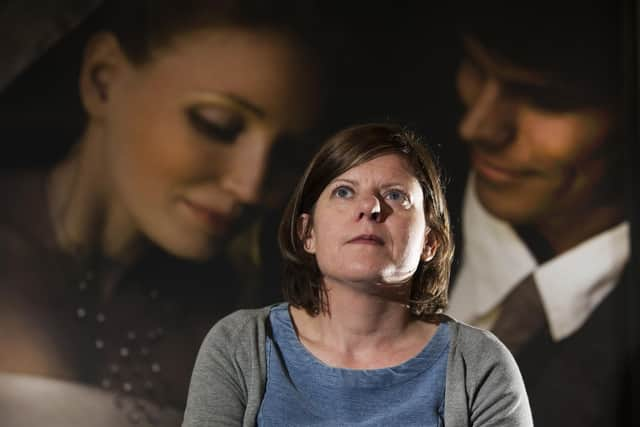
She added: “I think now more than ever, just given all the concerns about huge delays in cases getting to court, the size of the backlog, issues with the Covid time bar come to an end, I think legal advice is needed now more than ever.
“I think it can make an absolutely huge difference. One thing that research has shown is that the more agency and control complainers feel in the justice process, the less traumatic they find the process.”